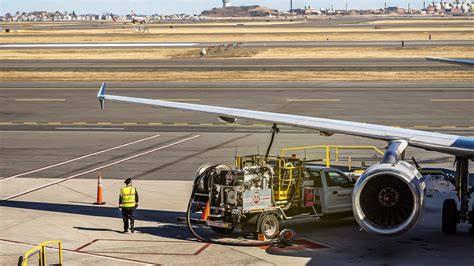
When passengers board an airliner, few think about the complex calculations happening before departure. Behind every flight is a carefully planned operation involving aircraft performance data, weather forecasts, air traffic conditions, fuel regulations, and safety margins. One of the most important decisions is determining how much fuel the aircraft should carry.
Many people assume airlines simply fill the fuel tanks before every flight or load a fixed amount based on the aircraft type. In reality, fuel planning is one of the most precise processes in commercial aviation. Airlines do calculate the required fuel for each individual flight, but the final amount is not decided by a single person or a simple formula.
The responsibility is shared between airline dispatchers, flight crews, and aviation regulations. Every kilogram of fuel must be carefully considered because too little fuel creates safety risks, while too much fuel increases operating costs and reduces efficiency.
How Airlines Calculate Fuel Requirements Before Every Flight
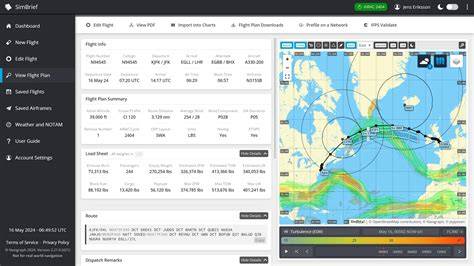
The process begins long before passengers arrive at the airport. Airline operations departments create a detailed flight plan that determines the aircraft’s expected route, cruising altitude, departure time, and estimated fuel consumption.
The airline dispatcher is usually responsible for preparing the initial fuel calculation. Dispatchers work closely with meteorological teams and use specialized software that analyzes thousands of data points. These calculations include the aircraft model, engine performance, expected passenger and cargo weight, runway conditions, wind forecasts, temperature, and possible air traffic restrictions.
Modern aircraft do not all consume fuel at exactly the same rate, even if they are the same model. Two Boeing 737s or Airbus A320s can have slightly different fuel efficiency because of engine condition, maintenance history, aircraft age, and operational differences.
For this reason, airlines use real-world performance data rather than relying only on manufacturer specifications. The flight management system onboard the aircraft also contains updated fuel burn information based on the aircraft’s actual performance.
The goal is not to load the maximum possible fuel. Instead, airlines aim to calculate the minimum safe fuel quantity required for the specific mission while maintaining regulatory margins.
The Different Types of Fuel Loaded On Commercial Aircraft
The total amount of fuel loaded before departure is called block fuel. It is not just the fuel needed to fly from one airport to another. Several different categories are included to cover normal operations, unexpected events, and emergencies.
The main components of block fuel include:
- Taxi fuel: Fuel required for engine start, aircraft movement on the ground, and the use of auxiliary systems before takeoff and after landing.
- Trip fuel: Fuel needed to fly from departure airport to destination airport.
- Contingency fuel: Additional fuel carried for unexpected delays, weather changes, or variations in fuel consumption.
- Alternate fuel: Fuel required to fly to another airport if the aircraft cannot land at its planned destination.
- Final reserve fuel: Emergency fuel that should only be used in situations where no other options remain.
Each part serves a specific purpose. A flight from New York to London, for example, requires enough fuel not only for the Atlantic crossing but also for possible delays caused by weather systems, airport congestion, or unexpected route changes.
The final fuel number is therefore not simply the distance multiplied by an average fuel burn rate. It is a detailed operational calculation designed around real conditions on the day of the flight.
Why Airlines Cannot Simply Load Extra Fuel Everywhere
At first glance, carrying more fuel might seem like the safest choice. After all, more fuel means more options if something goes wrong. However, aviation fuel has an important disadvantage: fuel itself adds weight.
A fully fueled aircraft is heavier, meaning engines must work harder during takeoff and climb. This causes the aircraft to burn more fuel throughout the flight. Carrying unnecessary fuel creates a cycle where the aircraft burns additional fuel simply because it carried extra fuel.
For airlines operating thousands of flights every day, unnecessary fuel can represent millions of dollars in additional costs. A few hundred kilograms of excess fuel on one flight may not seem significant, but multiplied across an entire fleet, the expense becomes substantial.
Fuel planning is therefore a balance between efficiency and safety. Airlines do not try to carry the least possible fuel. They aim to carry the optimal amount of fuel that satisfies regulations while protecting passengers and crews.
Aviation Regulations Require Extra Fuel Safety Margins
Although airlines calculate their own fuel requirements, they cannot decide to carry only the exact amount needed under perfect conditions. Aviation authorities require additional fuel reserves to protect against unpredictable situations.
Regulations differ between countries, but commercial aircraft generally must carry fuel for an alternate airport and emergency reserves.
For example, if a destination airport suddenly becomes unavailable because of thunderstorms, fog, runway closures, or technical problems, the aircraft must have enough fuel to divert safely.
Contingency fuel also protects against normal operational uncertainties. A flight may experience stronger-than-expected headwinds, longer taxi times, or unexpected holding patterns before landing.
Reserve fuel requirements exist because aviation authorities recognize that even the most advanced flight planning systems cannot predict every event. The extra fuel provides crews with time and flexibility when circumstances change.
The Captain Has The Final Authority Over Fuel Decisions
Although airline dispatchers calculate the planned fuel load, the aircraft captain has the final responsibility for flight safety.
Before departure, the captain reviews the flight plan and fuel figures. If the captain believes additional fuel is necessary, they can request more fuel before takeoff.
A pilot may choose extra fuel because of several factors, such as expected thunderstorms along the route, possible congestion at the destination airport, or concerns about changing weather conditions.
For example, a dispatcher may calculate that the aircraft needs a specific amount of holding fuel based on historical airport data. However, an experienced captain who has recently operated similar flights may believe conditions could become worse and request additional fuel.
This relationship between dispatchers and pilots is a safety partnership. Dispatchers provide detailed planning information from the operations center, while pilots contribute real-time operational judgment from the aircraft.
Modern airline operations rarely depend on individual guesses. Instead, they combine data analysis, regulations, and professional experience.
How Airlines Sometimes Carry More Fuel Through Tankering
There are situations where airlines intentionally load more fuel than a single flight requires. This practice is known as fuel tankering.
Tankering usually happens when fuel prices differ significantly between airports. If jet fuel is much cheaper at the departure airport than the destination airport, an airline may carry additional fuel to reduce the amount it needs to purchase later.
This practice is more common on short-haul routes because the extra fuel does not need to remain onboard for many hours. Long-haul flights generally avoid unnecessary tankering because the weight penalty becomes much larger over long distances.
Airlines must calculate whether the savings from cheaper fuel outweigh the cost of carrying extra weight. If the aircraft burns too much additional fuel because of the added weight, tankering may no longer provide financial benefits.
Tankering can also improve operational efficiency by reducing turnaround time. A quick departure is sometimes more valuable than waiting for refueling equipment or delaying the aircraft schedule.
However, fuel decisions must always consider safety first. Aviation history includes examples where excessive fuel loading contributed to serious consequences.
One of the most famous examples occurred during the 1977 Tenerife airport disaster. A KLM Boeing 747 captain chose to carry additional fuel partly because of concerns about delays and airport congestion. The extra fuel increased the aircraft’s weight, becoming one factor among several that contributed to the tragic accident.
The disaster was caused by multiple failures, but it demonstrated why aviation professionals carefully evaluate every kilogram loaded onto an aircraft.
What Happens If A Flight Starts Running Low On Fuel?
Even with careful planning, flights can sometimes face unexpected fuel challenges. Strong headwinds, repeated landing attempts, weather diversions, or prolonged holding patterns can consume more fuel than expected.
When fuel becomes a concern, pilots follow strict procedures.
A flight may first declare minimum fuel, which tells air traffic controllers that the aircraft cannot accept additional delays. This does not automatically give the aircraft priority, but it warns controllers that further holding could become unsafe.
If the situation becomes more serious and the aircraft may not have enough fuel to continue safely, the crew can declare a fuel emergency. At that point, air traffic control gives the aircraft priority handling.
Fuel emergencies are rare because modern airlines use extremely detailed planning systems. However, crews train extensively for these situations because fuel management remains one of the most critical aspects of flight safety.
The Future Of Airline Fuel Planning
Technology continues to make fuel planning more accurate. Airlines now use advanced software, artificial intelligence tools, and real-time operational data to improve predictions.
Modern systems can analyze historical fuel consumption, airport congestion patterns, weather trends, and aircraft performance data to create increasingly accurate fuel plans.
The aviation industry is also under pressure to reduce fuel consumption because fuel represents one of the largest operating costs and a major source of carbon emissions.
Future aircraft, improved engines, sustainable aviation fuels, and smarter flight planning systems will continue changing how airlines manage fuel.
However, the fundamental principle will remain the same: every flight needs enough fuel to operate safely, but not so much that efficiency is unnecessarily sacrificed.
Airlines do decide how much fuel to load on every flight, but the decision is far more complex than simply filling the tanks. It is a carefully calculated balance between safety, regulations, aircraft performance, weather conditions, and economic efficiency.