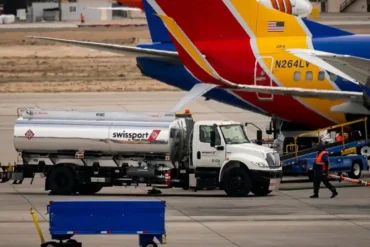
Jet fuel stands at the heart of the airline industry’s financial ecosystem, often representing the largest single operational expense for US carriers. As oil markets remain sensitive to geopolitical disruptions and macroeconomic shocks, the cost of fueling aircraft can swing drastically—shaping airline strategies, pricing models, and even route viability. In this comprehensive analysis, we examine the average cost of jet fuel per flight for US airlines, how this figure is influenced by aircraft type, fuel hedging, and efficiency technologies, and what the future might hold in terms of fuel expenses and sustainability initiatives.
The Volatile Landscape of Jet Fuel Pricing
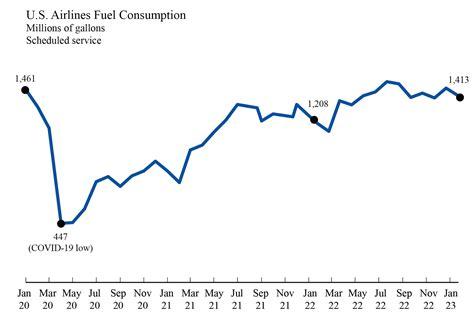
The jet fuel market is deeply intertwined with the crude oil market, and prices reflect this reality. During the COVID-19 pandemic, with global air travel almost at a standstill, jet fuel prices dipped to just $200 per metric ton in May 2020. However, by mid-2022, prices surged dramatically, peaking above $180 per barrel due to a rebound in global demand and supply chain constraints.
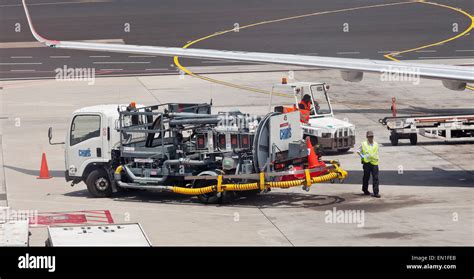
In 2024, the global airline industry spent an estimated $291 billion on jet fuel—an astonishing rise from $80 billion in 2020, and a significant leap over pre-pandemic levels. US carriers have been at the forefront of this trend, grappling with increased consumption and price volatility. In December 2024 alone, US airlines burned 1.59 billion gallons of jet fuel, up from 1.55 billion gallons in December 2019, showing a gradual but steady recovery and growth in air traffic volume.
Flight-by-Flight Fuel Costs: From Heavy Giants to Efficient Twins
The actual cost of jet fuel per flight depends on several variables:
- Aircraft type
- Flight duration
- Passenger load
- Route geography
- Fuel prices at the time of refueling
To illustrate, consider three prominent aircraft types that have (or still do) serve transatlantic routes:
- Boeing 747: Burns approximately 73,000 kg of fuel from New York (JFK) to London (LHR). At a cost of $0.67 per kg, this totals $48,800 per flight.
- Airbus A380: Consumes around 84,000 kg of fuel for the same route, costing approximately $51,000.
- Airbus A321neo: A narrowbody twin-engine aircraft burning only $10,000 worth of fuel for a similar transatlantic journey.
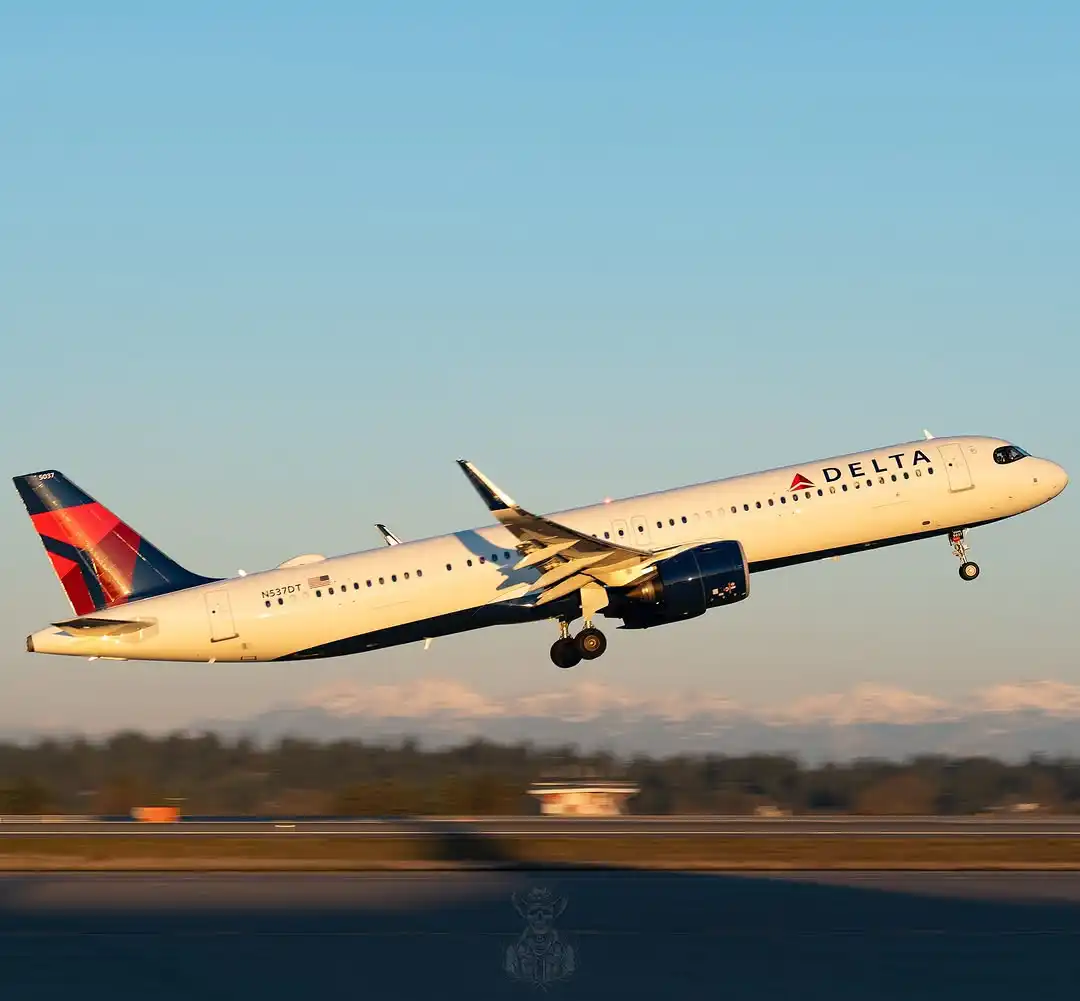
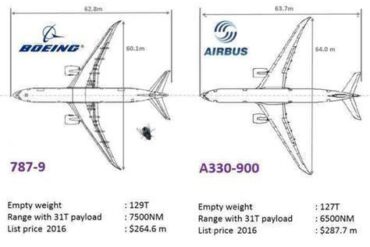
These comparisons underscore the dramatic cost advantages of modern, fuel-efficient aircraft like the A321neo over older widebody jets. Not only do they reduce the fuel bill, but they also contribute to lower per-passenger emissions, aligning with sustainability goals.
Fuel Hedging: Strategic Shield or Financial Gamble?
To mitigate the unpredictability of fuel markets, many US airlines employ a technique called fuel hedging. This involves locking in fuel prices in advance, protecting carriers from short-term price spikes.
For example, if an airline secures a price of $500 per ton for jet fuel and market prices later rise to $700, the airline enjoys a significant cost advantage. Conversely, if prices drop to $300, the airline is left overpaying—a strategic risk that must be carefully managed.
Fuel hedging, while a double-edged sword, can play a crucial role in maintaining financial predictability, especially for carriers with large international networks exposed to long-haul fuel costs.
Technological Evolution: Driving Fuel Efficiency Forward
Airlines are increasingly investing in modern, fuel-efficient aircraft to bring down operational costs. The A321neo, Boeing 787, and upcoming 777X are examples of aircraft featuring advanced aerodynamics, lightweight composite materials, and next-generation engines that dramatically reduce fuel burn.
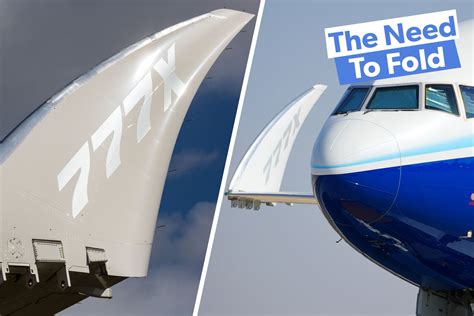
Wingtips, sharklets, and even folding wingtips as seen on the Boeing 777X, contribute to lift optimization and lower drag. Each of these innovations plays a part in reducing fuel burn per mile.
Simultaneously, Sustainable Aviation Fuel (SAF) is emerging as a longer-term solution. Though currently 2–4 times more expensive than conventional jet fuel, SAF is essential to achieving net-zero emission goals across the aviation sector. As SAF production scales and regulatory support increases, it may begin to play a real role in reducing fuel costs per flight while also enhancing a carrier’s environmental reputation.
Regional Pricing and Global Disparities
Jet fuel prices are not uniform across the globe. In 2024, regional variations of up to $12 per barrel were observed. The Middle East, with its close proximity to refineries and crude oil supply, typically enjoys the lowest jet fuel prices. Meanwhile, remote or logistically complex regions—like parts of Africa or island nations—face higher transportation and infrastructure costs, inflating their jet fuel prices.
For US carriers operating long-haul routes to Europe, Asia, or South America, the price paid for refueling abroad can significantly affect the total flight cost. Some carriers strategically tank up on cheaper fuel at certain airports to minimize refueling at costlier locations—a practice known as fuel tankering.
Passenger-Level Cost Calculations
When jet fuel costs are broken down to a per-passenger level, the numbers offer deeper insight into airline pricing strategies and profit margins:
- On the Boeing 747 example flight with 450 passengers, the $48,800 fuel cost equals $108 per passenger.
- In contrast, an A321neo flight with 180 passengers and $10,000 in fuel costs equates to just $55.55 per passenger.
This granular view emphasizes the cost-efficiency of modern aircraft and the potential for carriers to pass on savings to customers or boost profit margins.
Moreover, low-cost carriers (LCCs) operating fuel-efficient aircraft can offer competitive ticket prices while maintaining profitability—largely due to lower per-seat fuel costs. This is one of the core reasons behind the widespread adoption of A320neo and 737 MAX aircraft among US-based LCCs.
The Role of Demand in Shaping Fuel Spend
Fuel consumption isn’t just about aircraft efficiency—it also reflects air travel demand trends. In 2024, US airlines consumed 1.59 billion gallons of fuel per month, compared to 1.55 billion gallons in 2019. Although the increase may seem modest at 2.7%, it reflects a resilient recovery in the aviation sector post-pandemic.
This rising demand directly translates to higher fuel expenditures. As more flights are added, particularly on long-haul and transcontinental routes, airlines face mounting pressure to manage fuel usage intelligently.
Looking Ahead: Fuel Price Stability or the Next Surge?
While jet fuel prices have stabilized somewhat since their 2022 peak, the aviation sector remains vulnerable to economic, political, and environmental factors that could ignite the next price surge. Unrest in oil-producing regions, global sanctions, or disruptions in refining capacity can all lead to sudden and steep increases in jet fuel prices.
Additionally, with climate change policies tightening and carbon taxation frameworks emerging, US airlines may soon face regulatory costs tied to their fuel consumption. These changes could add further layers of complexity to the economics of each flight.
Conclusion: Navigating the High-Stakes Economics of Jet Fuel
Jet fuel remains a core cost component of air travel, and the intricacies of managing this expense are essential to the financial health of US airlines. From aircraft selection and fuel hedging strategies to the adoption of sustainable alternatives, each decision shapes the cost structure per flight and the competitive positioning of an airline.
As the industry pushes toward greater efficiency and sustainability, airlines that can best navigate the complex dynamics of fuel pricing—while maintaining service quality and operational flexibility—will lead the next era of commercial aviation. For now, fuel remains both a necessary lifeline and a volatile risk in the skies.