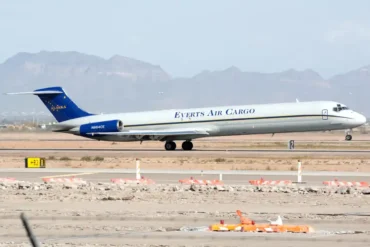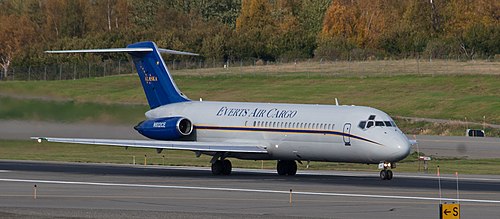
Everts Air Cargo continues to play an essential role in Alaska’s aviation infrastructure, and its compensation structure in 2025 reflects both the operational complexity of its network and the specialized skills required to keep flights moving. As a regional cargo carrier with a fleet serving some of the most remote communities in the United States, Everts relies on a broad workforce—from ground handling to flight operations—to maintain reliability in environments defined by extreme weather and logistical challenges. That reality shapes the competitive salaries seen across the organization, with pay ranges influenced by experience, certification level, base location, and operational demand. The following detailed analysis brings together current salary submissions and job listings to deliver a clear, data-driven picture of what employees can expect in 2025.
Salary Ranges Across Operational Roles
Compensation within the company varies significantly by job family, reflecting distinct training requirements and FAA certification standards. Cargo Agents, who form the backbone of day-to-day cargo handling, report annual earnings between $36,000 and $50,000. These roles involve physical handling of freight, hazardous materials processing, and logistical coordination, with pay improving steadily for agents in high-volume hubs like Fairbanks and Anchorage. Mechanics—including both general Mechanics and A&P-certified technicians—demonstrate a higher pay range, from $53,000 to $95,000, due to the technical nature of aircraft maintenance and the additional premiums often tied to Part 121 fleet support.
Pilots remain the highest-paid operational employees in the company, with earnings ranging from $90,000 to $167,000, and First Officers reaching an upper range of $206,000 when factoring in flight hours, route assignments, and seniority. These elevated figures align with the industry trend of aggressive pilot recruitment, intensified by workforce shortages and expanding flight schedules.
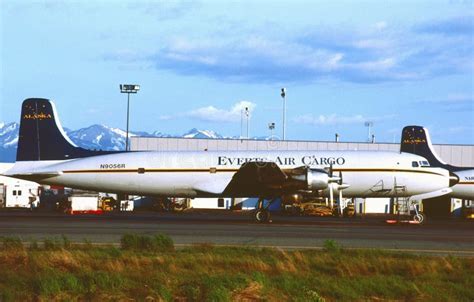
Aircraft Dispatchers, though fewer in number, also enjoy solid compensation, with reported salaries between $48,000 and $74,000. These professionals oversee flight planning, fuel calculations, weight-and-balance coordination, and real-time operational control—responsibilities that demand precision in a region where weather shifts can alter operational decisions within minutes. The category of Airframe and Powerplant Mechanic Helpers illustrates an accessible entry point into aviation maintenance, offering $59,000 to $89,000, where employees gain hands-on experience while working toward full certification.
Management and Administrative Salary Trends
In addition to frontline operational jobs, Everts Air Cargo compensates its management and administrative personnel with competitive salaries aligned with regional aviation standards. Managerial salaries span $78,000 to $134,000, depending on department and experience. Customer Service Managers, particularly in Anchorage, show earnings around $63,000, a figure supported by employer-provided ranges and reflective of the company’s customer-facing operations in its busiest station. Administrative, finance, and human resources roles—although less publicly reported—typically follow market norms for mid-sized aviation companies in Alaska, where compensation often includes regionally adjusted cost-of-living considerations.
Hourly Roles and Entry-Level Opportunities
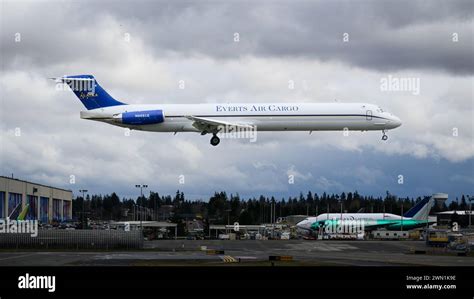
Everts Air Cargo’s hourly positions continue to attract local workers seeking stable employment with upward mobility. A Refueler position in Fairbanks pays $27 to $34 per hour, an amount that reflects both operational urgency and safety training requirements. Building & Facilities Maintenance Workers earn approximately $27 per hour, supporting essential infrastructure across hangars and ancillary buildings. The Airframe and Powerplant Mechanic Helper role, listed at $25 per hour, serves as a structured on-ramp into higher-earning maintenance careers, particularly for new entrants pursuing eventual A&P certification. These hourly roles form a critical staffing base, ensuring that flight operations remain efficient during demanding weather seasons.
Average Pay Across the United States in 2025
When examining all positions collectively, the average annual salary at Everts Air Cargo in 2025 ranges from $42,314 for entry-level operational roles to $119,380 for pilot positions. These figures, aggregated from more than 100 salary submissions, give a reliable snapshot of compensation trends across the company. The wide spread reflects a diverse workforce, from ground agents and dispatchers to senior pilots flying complex cargo routes. Hourly equivalents show similar variation, from $20 per hour for lower-tier operational roles to $57 per hour for senior flight crew.
Employee Satisfaction and Compensation Perception
Employee feedback indicates a compensation rating of 3 out of 5 stars, highlighting a balanced but competitive environment. Workers frequently cite the unique operational challenges of flying in Alaska as part of the job’s appeal, alongside clear opportunities for advancement in maintenance and flight operations. While the company’s compensation packages are not the highest in the national cargo sector, they remain strong within the regional aviation labor market, where cost of living and remote-location premiums shape expectations.
Job Availability and 2025 Outlook
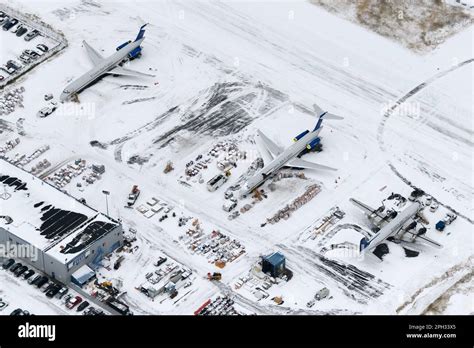
Seventeen active job postings across the United States demonstrate steady workforce demand. Flight Dispatchers, Customer Service Managers, and specialized maintenance technicians appear regularly in recruitment cycles, reflecting the company’s expanding operational needs. The continued reliance on both legacy aircraft and modernized equipment ensures sustained demand for certified mechanics, pilot hiring, and logistics professionals capable of navigating demanding, non-routine cargo conditions.
The overall outlook for 2025 suggests that Everts Air Cargo will maintain a stable compensation landscape, shaped by Alaska’s critical dependence on air cargo and the company’s role in regional supply chains. Salaries remain consistent with industry expectations, while the breadth of roles offers clear pathways for career growth in aviation logistics, maintenance, and flight operations. This structure positions the company as a viable employer for those interested in long-term aviation careers in a uniquely demanding and rewarding environment.