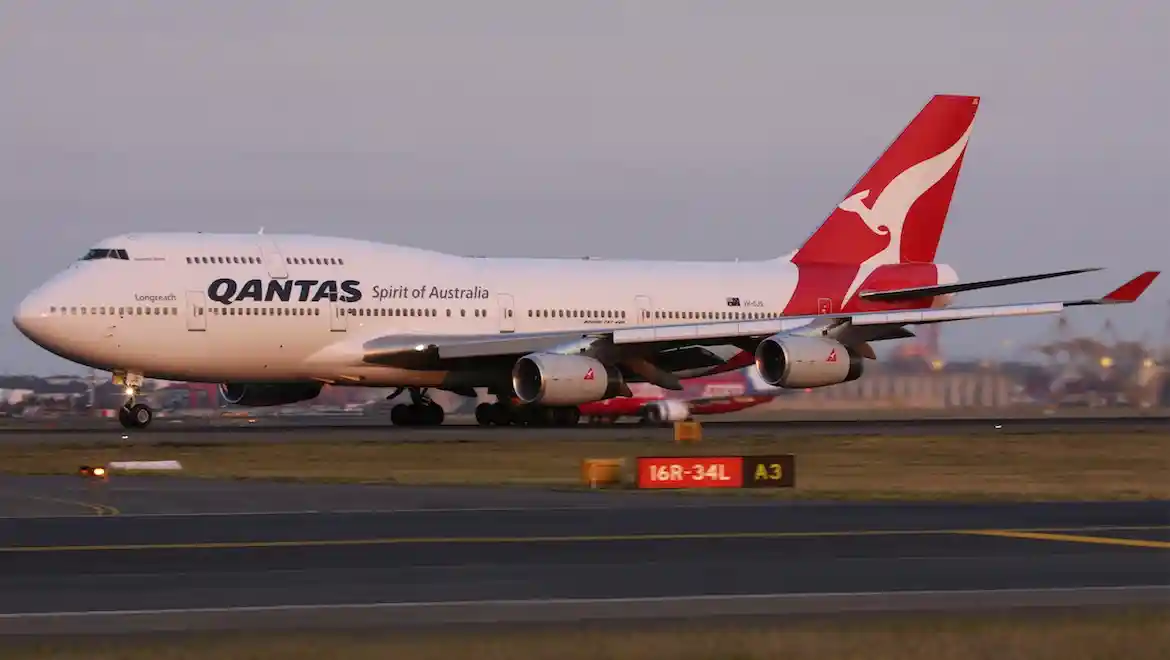
The Boeing 747-400, once the undisputed “Queen of the Skies,” remains one of the most recognizable aircraft in aviation history. With its iconic humpback design and immense size, this widebody giant dominated international long-haul routes for decades. Although its production officially ended in 2009, and the last 747-8 rolled off the line in 2022, hundreds of 747-400s continue to fly, particularly as freighters. But how much does it actually cost to buy, lease, or operate a Boeing 747-400 in 2025?
The Historical Significance of the Boeing 747-400
Launched in 1989, the Boeing 747-400 represented a major leap forward in commercial aviation. It introduced modern upgrades such as a full glass cockpit, eliminating the need for a flight engineer, along with aerodynamic improvements, extended range, and increased fuel efficiency compared to its predecessors. Over its production run, 694 Boeing 747-400s were built, making it the most popular variant in the legendary 747 family.
Originally, airlines paid a hefty price for these aircraft. By the early 2000s, Boeing’s list price for a new 747-400 exceeded $260 million, though savvy buyers often negotiated significant discounts, particularly on large orders. Some airlines reportedly secured their aircraft for as little as $130 million each, far below the sticker price.
The Current Market Price of a Boeing 747-400 in 2025
Today, purchasing a Boeing 747-400 is limited to the second-hand market, as the type is no longer in production. The price of a used 747-400 varies dramatically based on factors like its flight hours, maintenance history, interior condition, and overall airworthiness.
At the lowest end, derelict 747-400s that require extensive refurbishment can be acquired for as little as $1 million. However, making such an aircraft airworthy could cost tens of millions more. For those seeking an operational or near-airworthy jet, the market rate typically falls between $10 million and $30 million, a far cry from its original price tag but still significant given the aircraft’s size and complexity.
Key Specifications of the Boeing 747-400
- Length: 70.6 meters (231 feet 10 inches)
- Wingspan: 64.4 meters (211 feet 5 inches)
- Height: 19.4 meters (63 feet 8 inches)
- Maximum Takeoff Weight (MTOW): 396,900 kg (875,000 lbs)
- Cruising Speed: Mach 0.85 (913 km/h or 567 mph)
- Range: 7,285 nautical miles (13,490 km)
- Typical Seating Capacity: 416 passengers (three-class layout)
- Maximum Seating Capacity: 660 passengers
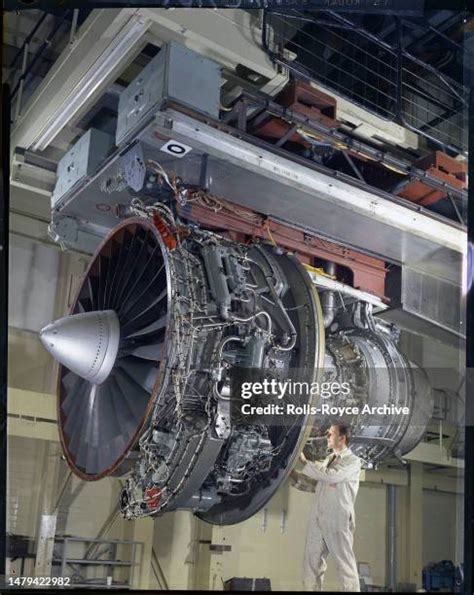
Three different engine options powered the 747-400: Pratt & Whitney PW4000, General Electric CF6, and Rolls-Royce RB211. The engines alone are among the most expensive components, and sourcing spares remains one of the key cost considerations for operators today.
Leasing and Chartering Costs for the 747-400 in 2025
For those unwilling to bear the full ownership burden, leasing offers a practical alternative. Monthly lease rates for a Boeing 747-400 hover above $100,000, excluding maintenance, insurance, and other operational expenses. Some leasing agreements, particularly those from reputable lessors, include comprehensive maintenance, repair, and overhaul (MRO) services—an essential factor considering the age of these aircraft.
Private charters of a Boeing 747-400 are also available, albeit at a steep price. Paramount Business Jets, for instance, lists hourly charter rates at $30,090, translating to over a quarter-million dollars for a typical long-haul journey. These costs may appeal to VIP groups, corporations, or high-net-worth individuals requiring massive passenger capacity or luxurious interiors.
Ownership and Operating Costs: The Hidden Expenses
The acquisition price is only part of the financial equation. Operating a Boeing 747-400, particularly on a commercial scale, incurs staggering ongoing costs. Fuel consumption remains a primary factor. The aircraft burns approximately 3,240 gallons (14,400 liters) of fuel per hour, and with jet fuel prices surpassing $2.30 per gallon in mid-2025, that’s over $7,450 spent on fuel every hour.
Factoring in crew salaries, maintenance, landing fees, and other variables, the total hourly operating cost exceeds $25,000. Fixed ownership costs—such as storage, insurance, and periodic inspections—can reach $850,000 per year, based on minimal flight hours. Regular airline operations, of course, push these fixed expenses far higher.
Who Still Operates the 747-400 in 2025?
Passenger-configured 747-400s are rapidly disappearing from commercial service. As of 2025, only three airlines operate scheduled 747-400 flights:
- Lufthansa: 8 aircraft
- Air China: 2 aircraft
- Rossiya Airlines: 5 aircraft
Although Korean Air still operates 747s, they exclusively fly the newer 747-8i variant. Mahan Air of Iran also has a single 747-400, primarily used for charters, but it’s currently parked.
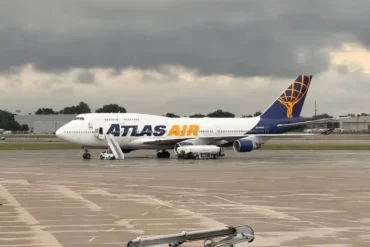
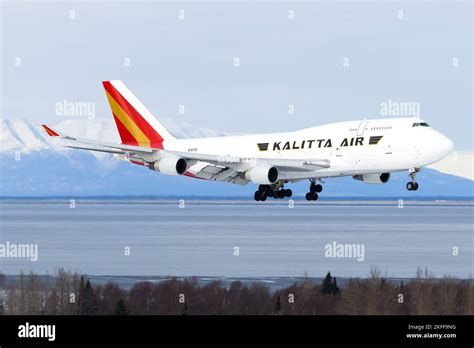
Freighter versions of the aircraft, however, maintain a significant presence. Over 180 active Boeing 747-400F freighters remain in service, alongside more than 100 of the newer 747-8F cargo variants. Operators such as Kalitta Air, which flies the oldest active 747-400 built in 1989, continue to rely on the aircraft’s impressive payload capabilities.
The Boeing 747-400’s Legacy and Production Numbers
During the 747 program’s unprecedented 54-year production run, Boeing built 1,574 airframes across all variants. The breakdown of 747-400 production is as follows:
- 747-400 Passenger: 442 units
- 747-400D (Domestic): 19 units
- 747-400ER (Extended Range): 6 units
- 747-400M (Combi): 61 units
- 747-400F (Freighter): 126 units
- 747-400ERF (Extended Range Freighter): 40 units
British Airways emerged as the largest 747-400 customer, ordering 57 aircraft, while Japan Airlines holds the title for the most 747 orders overall, with 108 jumbo jets across multiple variants.
Is Buying a Boeing 747-400 in 2025 Practical?
The decision to acquire a 747-400 in 2025 hinges on mission profile, budget, and operational expertise. While the purchase price may appear affordable relative to newer widebodies, the true costs lie in upkeep, fuel, and parts availability. Operators considering passenger service face dwindling regulatory support and tightening emissions standards, making freight operations the more viable long-term path.
That said, for niche operations, conversion projects, or collectors seeking a historic aircraft, the 747-400 remains accessible—provided one is prepared for the financial realities of owning one of aviation’s most iconic giants.
The Boeing 747-400 may no longer rule the skies as it once did, but its unmistakable silhouette and extraordinary legacy continue to captivate the world, securing its place as a timeless aviation legend.