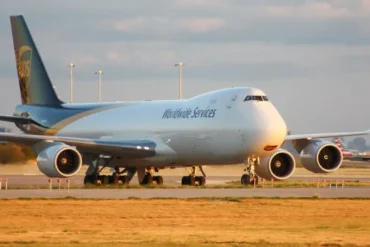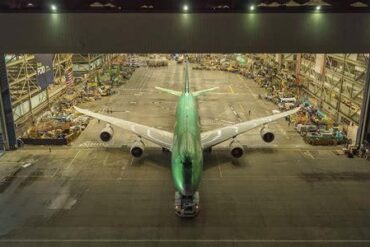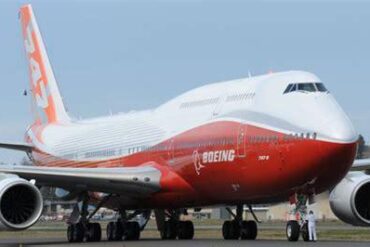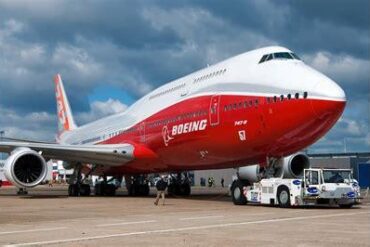
The Boeing 747 remains one of the most recognizable aircraft ever built. Known as the “Queen of the Skies,” the iconic jumbo jet revolutionized long-haul travel and global cargo logistics. While its distinctive hump and enormous wingspan attract most of the attention, the real financial powerhouse of the aircraft lies beneath the wings: its engines.
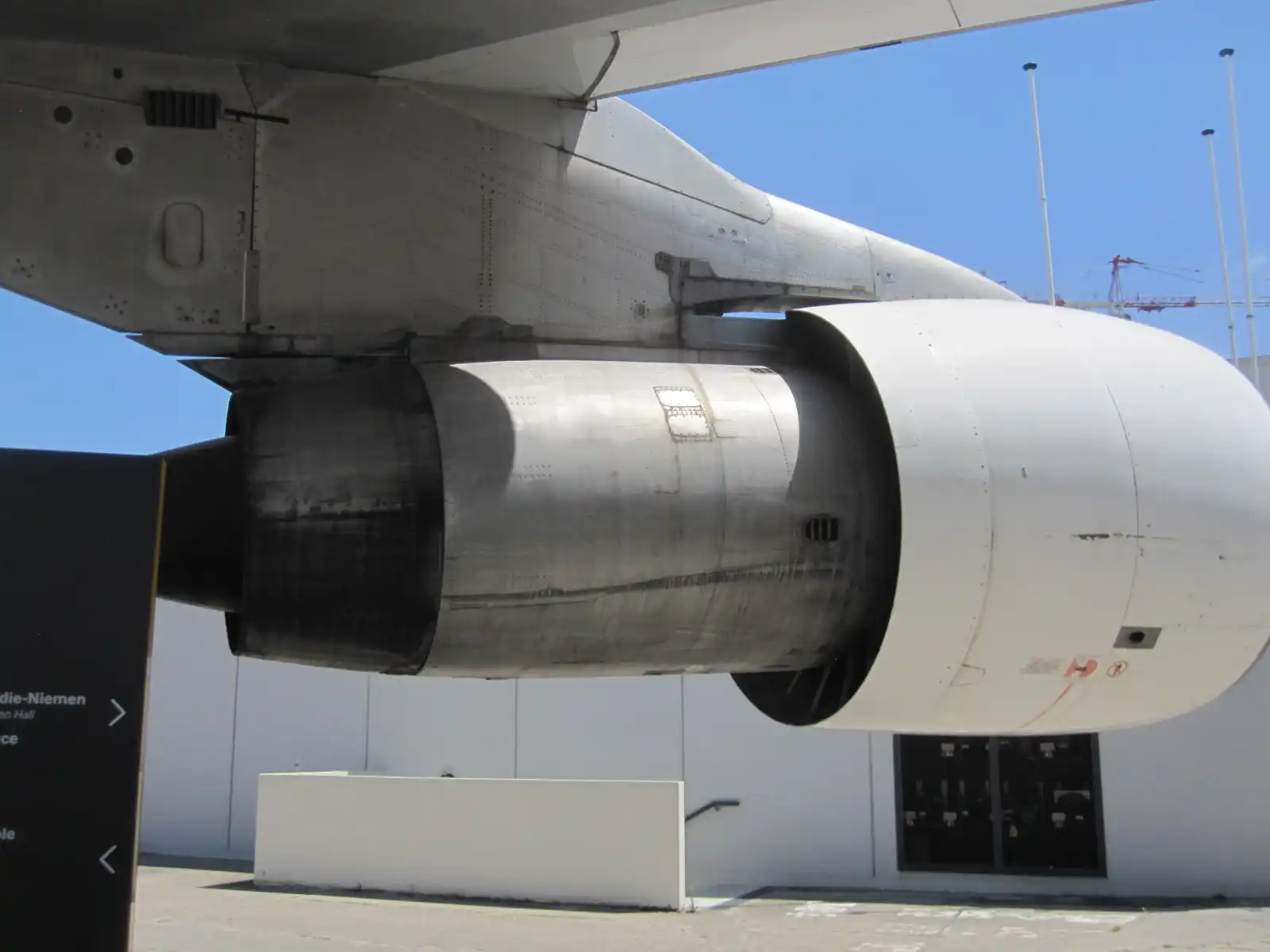
Each Boeing 747 relies on four massive turbofan engines, and these engines represent one of the most expensive and technically complex components of the entire aircraft. The cost of a single engine can range from around $2 million for older used units to more than $30 million for a brand-new modern powerplant.
Understanding the price of a Boeing 747 engine requires looking beyond the metal itself. The true value of an aircraft engine depends on engineering complexity, maintenance cycles, fuel efficiency, and the evolving economics of global aviation. For airlines and cargo operators, these factors can determine whether a 747 remains profitable—or becomes too costly to keep flying.
How Much Does a Boeing 747 Engine Cost?
The price of a Boeing 747 engine varies dramatically depending on the aircraft variant and the condition of the engine. Modern engines for the latest model, the Boeing 747-8, command significantly higher prices than the engines used on earlier versions such as the 747-400.
A brand-new GEnx-2B engine, designed specifically for the 747-8, typically carries a list price between $25 million and $30 million per unit. Because the aircraft uses four engines, the total engine investment alone can exceed $100 million.
For the earlier 747-400, the situation is quite different. Many of these aircraft are now decades old and primarily operate as freighters. Their engines are usually purchased on the secondary market, where prices depend heavily on remaining lifespan and maintenance condition.
Typical price ranges include:
- GEnx-2B67 (747-8 new engine): $25M – $30M
- GEnx-2B67 (mid-life used engine): $12M – $18M
- CF6-80C2 (747-400 used engine): $3M – $8M
- PW4056 (high-cycle engine): $1M – $2.5M
- RB211-524 (limited supply engine): $4M – $6M
These numbers highlight how the engine market for the Boeing 747 has split into two tiers. New technology engines cost tens of millions, while older engines circulate through the used market at far lower prices.
Why Aircraft Engines Are So Expensive
Aircraft engines are among the most sophisticated machines ever built. They must generate enormous thrust, operate reliably for thousands of hours, and withstand extreme temperatures and pressures.
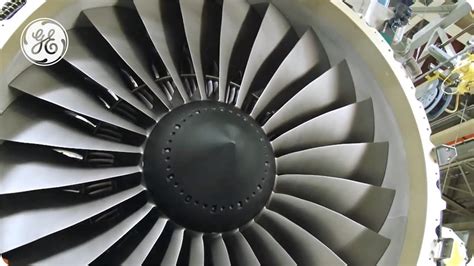
A modern turbofan engine like the GEnx-2B contains thousands of precisely engineered parts. Many of these components are manufactured using exotic materials designed to survive the harsh environment inside the engine core.
Key cost drivers include:
- Advanced materials such as titanium alloys and ceramic matrix composites
- Carbon fiber fan blades designed for strength and weight reduction
- Precision manufacturing with tolerances measured in microns
- Extensive testing and certification requirements
- High reliability standards for aviation safety
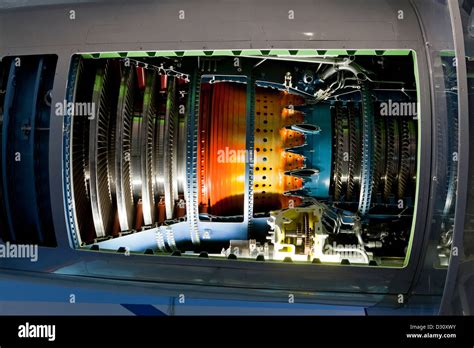
Inside the hottest sections of the engine, temperatures can exceed 1,500°C (2,732°F). Specialized coatings and cooling channels are required just to prevent the turbine blades from melting. These technologies are extraordinarily expensive to develop and produce.
The result is a machine that resembles a flying power plant, capable of producing more than 66,000 pounds of thrust in the case of the GEnx-2B.
How Engine Maintenance Affects Price
The sticker price of an aircraft engine rarely tells the whole story. In aviation, maintenance history often matters more than age.
Each engine operates under a system of tracked usage metrics that determine its remaining lifespan. Two of the most important factors are:
Flight hours – the total time the engine has operated in flight
Flight cycles – the number of takeoffs and landings
A cycle is particularly stressful for an engine because the turbine must rapidly heat and cool during start-up and shutdown. Over time, this thermal stress causes wear on critical parts.
Many key components inside a turbofan are classified as life-limited parts (LLPs). Once these parts reach a specified number of cycles, they must be replaced.
A full engine overhaul, sometimes called a shop visit, can cost $4 million to $6 million. During this process the engine is completely disassembled, inspected, repaired, and rebuilt.
Because of this, airlines often buy engines with “green time.” This term refers to engines that still have a significant number of cycles remaining before their next overhaul.
Engines with more green time command higher prices in the secondary market.
The Evolution of Boeing 747 Engines
The engines powering the Boeing 747 have evolved dramatically since the aircraft first entered service in 1970.
The original 747-100 used the Pratt & Whitney JT9D, one of the earliest high-bypass turbofan engines ever developed. At the time, the engine cost roughly $1 million per unit.
Adjusted for inflation, that figure would be around $7 million today. Even after accounting for inflation, modern engines are still dramatically more expensive.
The progression of 747 engine technology includes:
- JT9D – early engines for the original 747 models
- CF6 series – widely used on the 747-400
- RB211-524 – Rolls-Royce engine option for later models
- PW4000 – Pratt & Whitney alternative for the 747-400
- GEnx-2B – modern engine designed for the 747-8
Each generation introduced improvements in fuel efficiency, reliability, and environmental performance.
Why Airlines Use “Power by the Hour” Contracts
Buying engines outright can expose airlines to massive financial risk. A single unexpected engine failure could result in millions of dollars in repair costs.
To manage this risk, many operators rely on Power-by-the-Hour (PBH) agreements.
Under this arrangement, the airline pays the engine manufacturer a fixed fee for every hour the engine operates. Typical costs range from $250 to $450 per flight hour per engine.
In return, the manufacturer covers major maintenance and repairs.
This model offers several advantages:
- Predictable maintenance costs
- Reduced financial risk
- Simplified fleet management
- Guaranteed access to spare engines
For cargo operators running aging 747-400 freighters, PBH contracts provide financial stability in a market where maintenance surprises can quickly destroy profit margins.
The Role of the Secondary Engine Market
The secondary engine market plays a crucial role in keeping older Boeing 747 aircraft flying.
Instead of spending millions on a full overhaul, airlines often purchase used engines with remaining operational life. This approach can be cheaper than repairing their existing engines.
For example, if an overhaul costs $6 million, an airline might choose to buy a replacement engine with green time for $4 million instead.
Maintenance companies such as Lufthansa Technik specialize in sourcing, refurbishing, and redistributing used aircraft engines.
This strategy has become common among cargo carriers operating older aircraft. It allows them to extend the life of the aircraft without investing heavily in expensive new components.
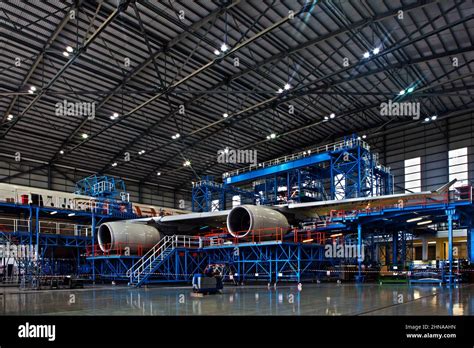
Why the 747-8 Engine Is More Valuable
The GEnx-2B engine used on the Boeing 747-8 represents a major technological leap over earlier engines.
Compared with older powerplants, it delivers:
- Up to 15% better fuel efficiency
- Lower emissions
- Reduced maintenance frequency
- Improved reliability
These advantages are critical in modern aviation, where fuel costs and environmental regulations strongly influence airline decisions.
Because of these benefits, the GEnx engine commands much higher prices. Operators see it as a long-term investment that reduces operating costs over time.
Cargo giants such as Atlas Air chose the 747-8 largely because of the improved reliability and efficiency of the GEnx engine.
How the 747 Engine Compares With Modern Aircraft Engines
Despite its enormous size, the Boeing 747 does not actually use the most expensive engines in aviation.
Modern twin-engine aircraft require extremely powerful engines capable of carrying the entire aircraft if one engine fails.
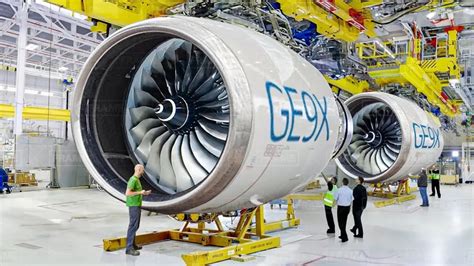
For example, the GE9X engine developed for the Boeing 777X costs around $40 million to $45 million per engine.
This makes the GE9X one of the most expensive jet engines ever built.
However, twin-engine aircraft only need two engines, while the 747 requires four. This means total propulsion costs can still be extremely high for a jumbo jet.
The Risk of Engine Failure
When an aircraft engine fails catastrophically, the financial impact extends far beyond the cost of replacement.
A severe failure can destroy the engine completely, turning a $25 million asset into scrap metal in seconds.
Maintenance errors are one potential cause. A famous example involved a borescope plug issue, where a small maintenance oversight resulted in a catastrophic engine fire.
Events like these explain why airlines often insist on factory-authorized maintenance facilities. Although they charge higher prices, the reduced risk can save millions of dollars.
Another major cost comes from aircraft downtime. If a 747 is grounded while waiting for an engine replacement, the airline may lose tens of thousands of dollars per day in revenue.
Why Many Airlines Keep Spare Engines
Because engines are so expensive and critical to operations, many airlines maintain spare engines in their inventory.
This strategy allows them to swap out a malfunctioning engine quickly and keep the aircraft flying while repairs are carried out.
However, storing spare engines ties up huge amounts of capital. A single spare engine could represent $10 million or more sitting idle.
Cargo airlines accept this cost because downtime can be even more expensive. Grounded aircraft mean missed shipments, delayed cargo, and disrupted logistics networks.
The Future of the Boeing 747 Engine Market
Production of the Boeing 747 officially ended in 2023, marking the end of one of the most legendary aircraft programs in aviation history.
However, hundreds of aircraft—primarily 747-400 and 747-8 freighters—remain in active service.
As time passes, the market for 747 engines will continue to evolve. Supplies of older engines such as the CF6-80C2 are gradually shrinking, which could drive prices higher for usable units.
At the same time, the long-term future of the GEnx-2B engine remains strong. Because the 747-8 freighter still plays a critical role in global cargo networks, these engines are likely to remain valuable for decades.
The Real Cost of Keeping the Queen of the Skies Flying
The price of a Boeing 747 engine ultimately reflects more than just engineering complexity. It represents the economic heartbeat of the aircraft.
A modern GEnx-2B engine costing up to $30 million delivers advanced efficiency and reliability for the newest 747-8 freighters. Meanwhile, older engines for the 747-400 circulate through the used market at prices between $2 million and $8 million, extending the life of aging cargo fleets.
Regardless of the variant, the engines remain the most important financial component of the aircraft. They determine fuel consumption, maintenance schedules, and the long-term viability of the airplane itself.
As the global aviation industry evolves toward newer twin-engine aircraft, the Boeing 747 continues its legacy primarily in the cargo world. For the operators who rely on it, the engines under those enormous wings will remain the defining factor that determines whether the Queen of the Skies continues ruling the airways—or finally retires to aviation history.