In 2025, operating a Boeing 747-8 is a high-stakes, high-cost affair reserved for the few who either generate massive revenue streams or require the jet’s unparalleled capabilities. From billionaire tycoons to government agencies, the 747-8 remains an awe-inspiring symbol of luxury and long-range power. But beneath the prestige lies a complicated equation of fixed and variable costs, operational strategies, and fuel-hungry engines that gulp cash almost as fast as they consume kerosene.
The Base Investment: What It Takes to Own a 747-8
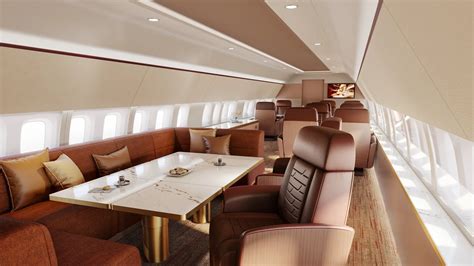
A factory-fresh Boeing 747-8, the last of which rolled off Boeing’s production line in 2023, is no longer a catalog item. However, the resale market still offers a variety of options. The starting price for a pre-owned 747-8 typically begins at around $150 million, with green, unfurnished BBJ variants once priced at $367 million. For buyers looking to outfit their jet with luxury interiors—lounges, bedrooms, showers, spiral staircases, and custom lighting—the additional cost can stretch between $25 million and $50 million, and take up to two years to install.
The investment doesn’t end with acquisition. While the jet’s sheer grandeur is alluring, its price tag becomes significantly more imposing once operations begin.
Hourly Operating Costs: The $23,000-Per-Hour Reality
The operational cost per hour of a Boeing 747-8 hovers around $23,000, a figure that encompasses crew salaries, maintenance, insurance, landing fees, and fuel. It’s a cost that might seem astronomical, but it’s routine for operators running long-haul services or VIP transport.
Fuel is the single most dominant expense. A single journey can burn through $50,000 to $150,000 in fuel, depending on the distance and prevailing prices. The 747-8’s General Electric GEnx-2B67 engines, while more efficient than previous generations, still burn over 3,000 gallons of fuel per hour.
Fixed Costs: The Price of Keeping the Queen in Her Palace
Fixed costs don’t change much whether the plane flies or not. These include:
- Crew salaries: Depending on seniority and contract terms, captains can earn well over $150,000 annually. Multiply that by a full flight and ground crew, and you’re looking at a sizeable labor bill.
- Insurance premiums: Typically hundreds of thousands of dollars annually, driven by the jet’s massive hull value.
- Hangar space: Given the 747’s footprint, hangaring it at a major airport can cost $1 million or more per year.
- Depreciation: Like all capital assets, the jet loses value annually, albeit at a slower pace post-production line shutdown.
For government users, some of these costs are offset by state budgets, while for private operators, especially BBJ (Boeing Business Jet) users, the expenses are simply part of the exclusivity package.
Variable Costs: The Bigger the Jet, the Bigger the Bill
Variable costs rise with every flight hour. These include:
- Fuel: As previously mentioned, the lion’s share of costs—up to $20,000 per flight hour.
- Maintenance: The 747-8 undergoes frequent inspections, ranging from daily checks to C and D checks, which can cost millions. Yearly average maintenance costs range from $1 to $2 million.
- Landing fees: Based on aircraft weight and airport category, landing fees typically range from $5,000 to $7,500 per operation.
- Overflight fees: Many countries charge jets flying over their territory, with rates calculated by weight and nautical miles.
- Catering and services: For VIP operators, this can reach tens of thousands of dollars per flight, depending on guest expectations.
The Economics of Cargo and Passenger Operations
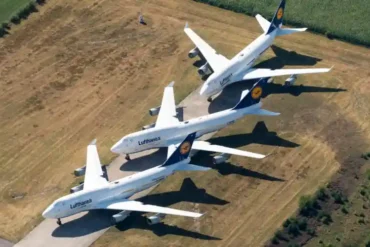
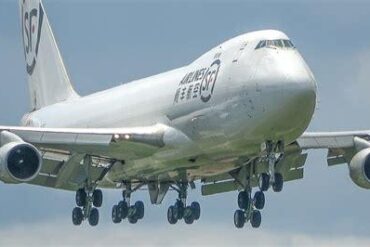
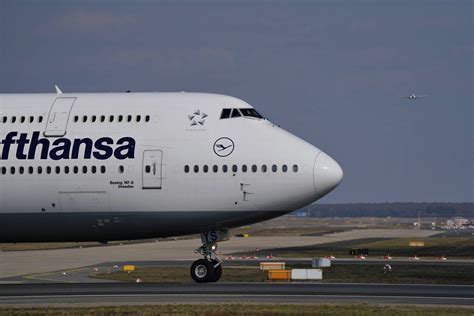
Commercial airlines have long used the 747 for its colossal capacity—seating over 467 passengers in a typical three-class configuration or hauling 140+ tons of freight. With diminishing passenger service, most commercial 747-8s today operate in cargo roles, like those with Lufthansa Cargo or Cargolux.
Operating a 747-8 on international cargo routes still yields value due to the aircraft’s unique size and range, connecting cities like Hong Kong to Frankfurt non-stop with high-density payloads. Although operational costs remain steep, freight yields and volume can compensate, particularly during peak shipping seasons or supply chain crises.
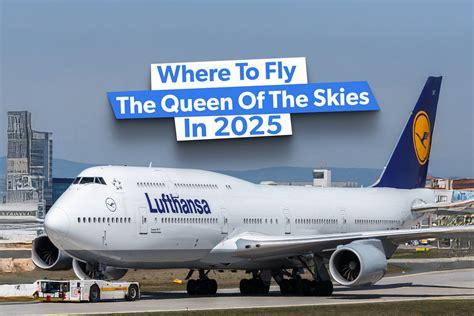
For passenger operations, profitability is achieved through high-density routes where premium cabin demand is stable. Airlines such as Korean Air and Lufthansa continue to operate limited passenger 747-8 services, often on flagship transoceanic routes.
Inside the BBJ 747-8: Private Flying at a Whole New Level
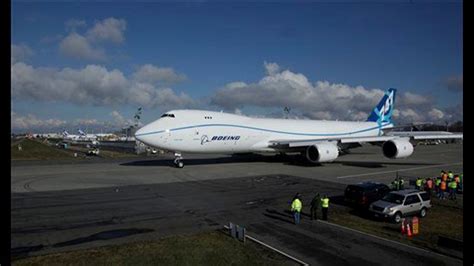
With only 11 BBJ 747-8s ever built, ownership is a badge of ultra-high-net-worth status. Operators include state governments like Kuwait and Qatar, along with private billionaires and VIP charter firms. The aircraft’s 5,179-square-foot cabin can be configured into:
- Master bedrooms and private offices
- Conference rooms with satellite comms
- Spa-like bathrooms with full showers
- Full-service galleys and dining areas
Some BBJs even feature elevators to connect decks or to lift passengers directly from the tarmac into the cabin, a level of personalization unmatched by any other aircraft.
The Air Force One Effect: When Prestige Becomes Priceless
The U.S. government’s adoption of the 747-8 for its next-generation Air Force One, set to replace the older 747-200-based VC-25A fleet, has pushed cost discussions into the stratosphere. The two jets, under contract to Boeing, will reportedly cost over $4 billion including conversion and security systems. Individual estimates for the interior refit range between $400 million and $1 billion.
This unique BBJ will include hardened electronics, EMP shielding, aerial refueling capability, and extensive communications gear. These upgrades transform the aircraft into a flying command center—not just a transport vehicle.
Market Realities: Buying Used, Flying Smart
For aspiring operators, second-hand 747s are more accessible than ever. A 1990s-era 747-200 can sell for $5 to $10 million, while later 747-400s go for $15 to $30 million. However, the acquisition cost is merely the entry fee into a game dominated by six-figure hourly costs.
Airlines and cargo carriers reduce operating expenses through strategic scheduling, such as:
- Flying during off-peak airport hours to lower landing fees
- Optimizing cruise speeds and altitudes for fuel economy
- Leveraging global maintenance hubs for cost-effective service
- Utilizing the 747’s payload advantage to justify each flight financially
Still, the aircraft’s runway requirements and noise restrictions exclude it from many smaller or premium-located airports, limiting its flexibility in the modern world of point-to-point travel.
Final Thoughts: The 747-8 as an Asset, Not a Burden
In 2025, the Boeing 747-8 remains both a financial challenge and a logistical marvel. Its immense operational cost—roughly $23,000 per hour—requires deep pockets and disciplined planning. But for those who leverage its unmatched range, payload, and prestige, it can still serve as a profitable or strategic asset.
Whether soaring across oceans with freight, ferrying heads of state in opulence, or turning heads at remote airfields, the 747-8 is more than a machine. It’s a statement. A flying palace. A logistics powerhouse. And even today, half a century after its debut, it continues to earn its title as the Queen of the Skies.