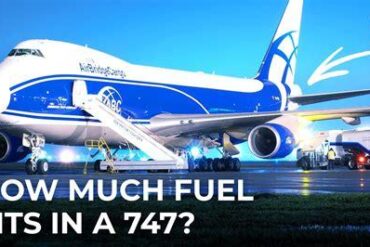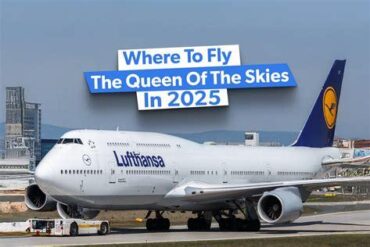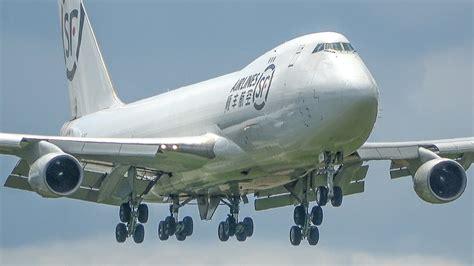
The Boeing 747, affectionately dubbed the Queen of the Skies, is instantly recognizable not only for its distinctive hump and massive wingspan but also for the unmistakable roar that accompanies its takeoff. While modern jetliners glide off runways with comparatively subdued hums, the 747’s thunderous ascent remains one of aviation’s most iconic auditory experiences. But what exactly makes the 747 so loud during takeoff? The answer lies in a combination of engine technology, aircraft size, thrust requirements, and historical design constraints.
The Sheer Power Behind the 747’s Takeoff
To understand the loudness, we must first appreciate the raw power involved. The original Boeing 747-100 was equipped with four Pratt & Whitney JT9D-3A turbofan engines, among the most powerful commercial jet engines of their time. These engines generated massive thrust—up to 46,000 pounds each—to lift the aircraft’s enormous frame, which could weigh over 735,000 pounds at takeoff.
The sound produced during takeoff is most intense because this is the stage of flight where maximum thrust is required. Engines are pushed close to their limits to overcome inertia and achieve lift. This is particularly true for the 747, whose size and payload capacity demand a significantly greater thrust-to-weight ratio than smaller, twin-engine jets.
Decibels in Detail: How Loud Is It, Really?
Measured in Effective Perceived Noise in Decibels (EPNdB), the Boeing 747’s noise output varies by model. The original 747-100 emitted as much as 115 dB, while the latest 747-8 has brought that figure down to around 94.5 dB—a remarkable reduction, but still louder than most twinjets. Here’s how the different models stack up:
- 747-100: 105.4–109.4 dB
- 747-200: 103.5–108.9 dB
- 747-300: 99.0–103.9 dB
- 747-400: 96.0–101.6 dB
- 747-8: 94.5 dB
By contrast, newer aircraft like the Boeing 787 Dreamliner and Airbus A350 operate around 90 dB or less during takeoff. The reduction in noise over the generations of 747 models reflects significant advances in engine design and airframe aerodynamics, but even the most modern 747 remains audibly dominant.
Why Quadjets Are Naturally Louder
The Boeing 747’s four-engine configuration is itself a major contributor to noise levels. Each additional engine adds not just extra thrust, but additional sound sources. Even with high-bypass turbofan engines designed for noise suppression, the cumulative effect is dramatic. Unlike newer twinjets with ultra-high bypass ratios and advanced chevrons for noise reduction, the 747’s layout inherently amplifies its acoustic footprint.
Moreover, older models used engines with lower bypass ratios, meaning a larger proportion of the airflow passed through the engine core. This design produces more combustion noise, especially during high-thrust operations like takeoff.
The Role of Engine Evolution
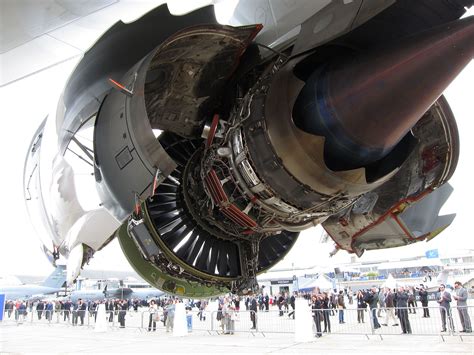
Much of the progress in reducing 747 noise comes from engine advancements. The latest model, the Boeing 747-8, is powered by GEnx-2B67 engines developed by GE Aerospace. These engines are derived from the Dreamliner’s GEnx-1B, sharing several noise-reducing technologies:
- High bypass ratios reduce core noise.
- Chevron nozzles smooth the mixing of hot exhaust with cold air, reducing turbulence and associated noise.
- Sound-absorbing nacelle liners diminish engine resonance during both takeoff and landing.
Together, these changes have made the 747-8 30% quieter than the 747-400 and allowed the aircraft to comply with the strict noise curfews at major international airports, including London Heathrow.
Noise Regulations and Certification Standards
The International Civil Aviation Organization (ICAO) has laid down stringent noise standards through its Annex 16 framework. These are categorized into chapters:
- Chapter 2: Covers early jetliners like the 747-100 and 747-200.
- Chapter 3: Includes 747-300 and 747-400 models.
- Chapter 4: Applies to newer aircraft like the 747-8.
- Chapter 14: The most recent, even stricter standard.
The FAA complements ICAO’s efforts with its own Stage classification system, aligned closely with the ICAO Chapters. Aircraft failing to meet modern Chapter 3 or 4 standards often face operational restrictions, curfews, or outright bans in the U.S. and EU unless retrofitted with so-called ‘hush kits.’
| Aircraft Model | ICAO Chapter | FAA Stage |
|---|---|---|
| 747-100 | Chapter 2 | Stage 2 |
| 747-200 | Chapter 2/3 | Stage 2/3 |
| 747-300 | Chapter 3 | Stage 3 |
| 747-400 | Chapter 3 | Stage 3 |
| 747-8 | Chapter 4 | Stage 4 |
Environmental and Health Impacts of Aircraft Noise
Aircraft noise isn’t just an aesthetic nuisance; it has profound environmental and health consequences. Constant exposure to loud aircraft, especially in densely populated areas, can:
- Disrupt sleep patterns
- Increase stress and anxiety
- Elevate risks of cardiovascular diseases
A study from University College London found that communities near busy airports like Heathrow and Frankfurt experience heightened rates of heart problems, strokes, and reduced quality of life. Wildlife, too, suffers, with many species experiencing communication breakdowns and reproductive interference due to sustained loud noise.
Airport and Airline Responses to Noise Pollution
To combat rising noise concerns, both airlines and airports have implemented several mitigation strategies:
- Fleet Modernization: Phasing out older, noisier aircraft like early 747 variants in favor of quieter twinjets.
- Landing Fee Modulation: Airports like Amsterdam Schiphol charge significantly higher fees for older aircraft. An older A320, for example, may pay 3.5x more than a new A320neo.
- Noise-Sensitive Procedures: These include steeper climb gradients, continuous descent approaches, and preferred runways that reduce community exposure.
Notably, London Heathrow has instituted operational restrictions based on time-of-day and aircraft type, while Frankfurt has explored curfews and trajectory adjustments to balance airline needs with community welfare.
The Waning Era of the Noisy Giant
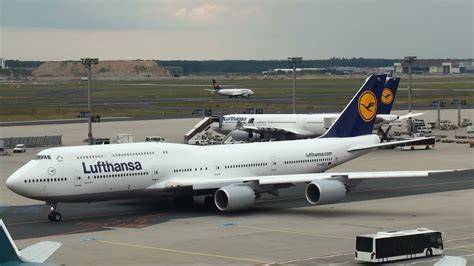
Despite its charm and history, the Boeing 747’s commercial presence is dwindling. Only a handful of airlines still operate passenger versions. Lufthansa leads with a fleet of 27, while Air China, Korean Air, and Rossiya Airlines round out the few remaining operators.
| Airline | 747-400 | 747-8i | Total |
|---|---|---|---|
| Lufthansa | 8 | 19 | 27 |
| Air China | 2 | 5 | 7 |
| Korean Air | – | 5 | 5 |
| Rossiya Airlines | 5 | – | 5 |
Where the 747 still thrives is cargo, with over 270 747 freighters—many 747-400Fs—still in service globally. These aircraft are exempt from some of the noise constraints faced by passenger models, especially when operating at night out of specialized freight airports.
Final Thoughts: A Roar Fading Into the Past
The loud takeoff of the Boeing 747 is a powerful reminder of an era when engineering prioritized raw power and long-haul reach over environmental impact. While modern aviation increasingly leans into sustainability and noise reduction, the iconic sound of a 747 thundering into the sky will remain etched in the memories of enthusiasts and travelers alike. It’s not just noise—it’s the sonic signature of aviation’s golden age.
As airports tighten noise regulations and airlines modernize their fleets, the 747’s roar grows rarer. But for those fortunate enough to witness it, the sound is a thrilling echo of what once defined the very pinnacle of commercial aviation.