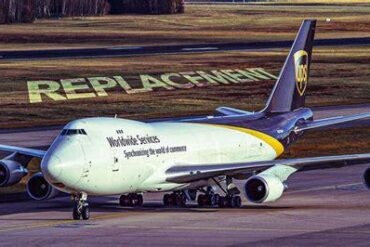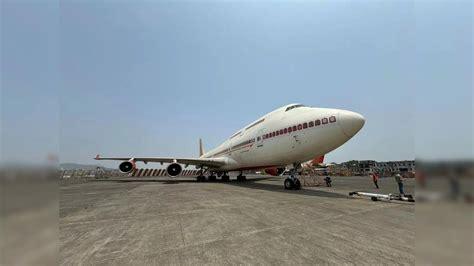
The Boeing 747-8 stands as the ultimate expression of engineering ambition and aeronautical mastery—a towering culmination of over five decades of innovation. Dubbed the “Queen of the Skies”, the 747 became more than just a plane; it became a cultural icon, a flying marvel that reshaped the modern aviation world. And in its final form, the Boeing 747-8, this superjumbo jet did more than carry passengers and freight—it redefined what power, size, and endurance could look like in the skies.
The Evolution of an Icon: From 1969 to 2023
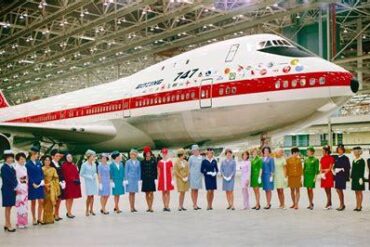
When the Boeing 747 first took flight in 1969, it revolutionized long-haul air travel by drastically increasing the number of passengers airlines could carry, while reducing the cost per seat. The aircraft’s distinctive hump and expansive interior made it immediately recognizable. But Boeing didn’t stop innovating. Over successive decades, the 747 family underwent relentless refinement, culminating in the 747-8, a version that delivered enhanced performance, capacity, and sustainability.
Unlike many of its competitors, the 747 never stayed static. The 747-8 integrated decades of flight experience into a single design, pushing the limits of what a commercial aircraft could do. Released in 2011, and with final deliveries concluding in 2023, the 747-8 emerged not only as the longest passenger aircraft ever built but also as the most powerful and capable jumbo jet in active service.
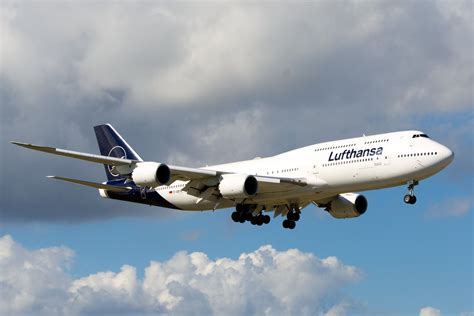
Unrivaled Power: The GEnx-2B Engine
At the heart of the 747-8’s strength are four General Electric GEnx-2B67 engines, each delivering a staggering 70,950 pounds of thrust. Collectively, that’s over 283,800 pounds of raw propulsion, enough to push the aircraft’s maximum takeoff weight of 975,000 pounds into the sky with authority.
These engines are technological masterpieces. Built with carbon-fiber composite fan blades and low-emission combustors, the GEnx series combines brute force with environmental consciousness. Not only are these engines quieter, but they’re also significantly more fuel-efficient than the powerplants used in earlier 747 variants. As Tom Levin of GE Aviation noted, the GEnx program achieved the fastest production ramp-up in GE’s widebody engine history, reflecting demand and performance trust from global carriers.
Advanced Aerodynamics and Structure
The 747-8’s impressive abilities aren’t limited to thrust alone. Boeing introduced aerodynamic refinements across the airframe, including raked wingtips, a longer fuselage (by 18 feet compared to the 747-400), and an enhanced wing with a larger aspect ratio. These changes reduce drag, improve lift, and extend range.
Moreover, Boeing employed advanced aluminum alloys and composite materials in key structures, improving weight efficiency, corrosion resistance, and fatigue durability. These materials helped reduce the aircraft’s empty weight while boosting its payload-to-weight ratio—a critical factor in both passenger and cargo operations.
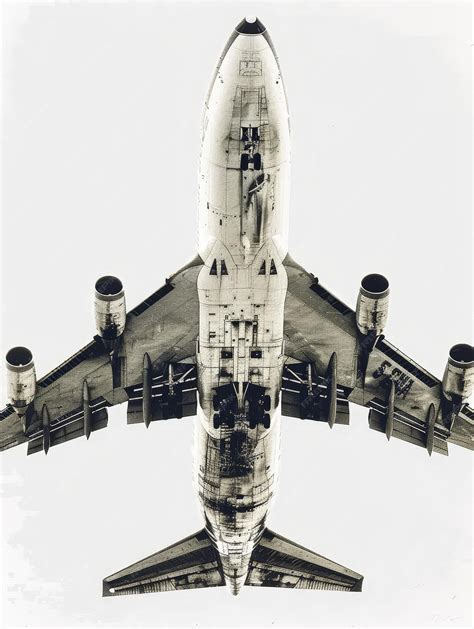
Global Reach and Capacity
Few commercial aircraft can match the 747-8’s impressive metrics:
- Passenger Version (747-8I): Seats up to 467 passengers in a typical three-class configuration and can fly up to 7,790 nautical miles.
- Freighter Version (747-8F): Boasts a payload capacity of 308,000 pounds and a range of 4,390 nautical miles, all while offering 26% more cargo volume than its predecessor, the 747-400F.
- Cruise Speed: Mach 0.86 or approximately 648 mph, making it among the fastest commercial airliners.
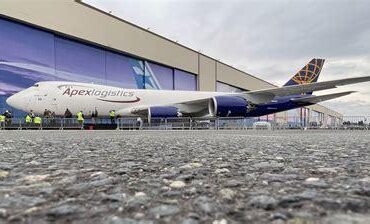
This versatility allows the 747-8 to serve as both a luxurious long-haul jetliner and a logistics backbone for global freight operators. Airlines like Atlas Air continue to depend on the freighter version, ordering additional aircraft even as the production line shut down.
Royalty in the Sky: Presidential and Military Roles
The Boeing 747-8’s design excellence isn’t confined to civilian markets. The U.S. Air Force selected the 747-8 platform for its next-generation VC-25B, the future Air Force One, and for the E-4B Nightwatch, a strategic airborne command center.
- The VC-25B, customized for presidential travel, will be outfitted with advanced communications, defensive systems, and aerial refueling capability.
- The E-4B Nightwatch, also called the “Doomsday Plane”, is designed to survive nuclear blasts and coordinate national defense operations in catastrophic scenarios.

These roles underline the 747-8’s ability to handle complex missions with unmatched reliability, space, and performance. No other jet offers such a wide spectrum of mission flexibility, from presidential luxury to military command operations.
Cargo Titan: The Boeing 747-8F Freighter
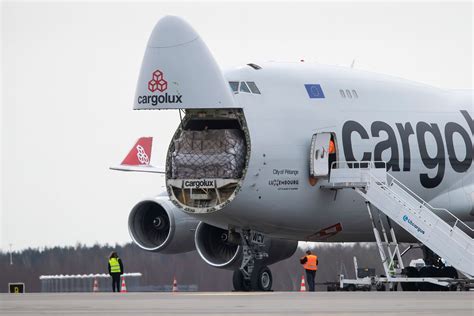
Among logistics companies, the 747-8F is revered as the gold standard of long-haul freight airlifters. Its unique nose-loading door, combined with its cavernous main deck, enables the transport of oversized cargo that no other standard freighter can handle. The freighter’s advanced cargo-handling systems, floor-strength engineering, and volumetric capacity make it indispensable to global supply chains.
What makes it irreplaceable, even in a world of newer aircraft, is its sheer volume and flexibility. While Boeing and Airbus are betting on the 777X and A350F to replace older jumbos, no single model can directly match the 747’s combination of payload and loadability, especially for odd-sized or heavy cargo.
Passenger Comfort Reimagined
Although the passenger version of the 747-8 saw limited adoption compared to earlier models, it delivered notable upgrades in passenger comfort. Boeing implemented LED lighting, larger overhead bins, and a redesigned upswept cabin interior to increase perceived spaciousness and comfort.
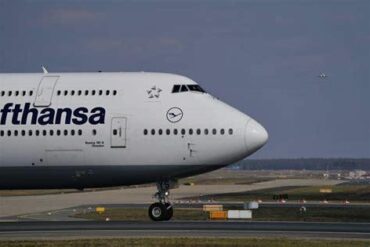
The aircraft’s ultra-long range allowed non-stop connections between major global hubs, making it a favorite among elite carriers such as Lufthansa and Korean Air. Despite limited commercial sales, passengers frequently reported quieter cabins and smoother flights, owing in part to the GEnx engines and improved aerodynamics.
The End of an Era: A Legacy That Soars On
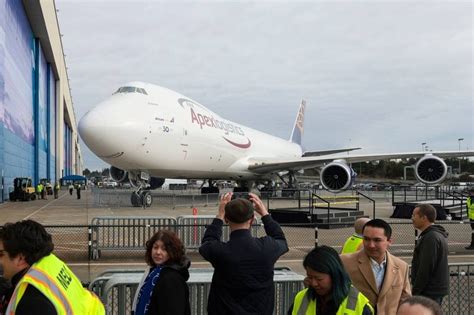
In January 2023, Boeing delivered the final 747-8 aircraft, marking the end of production for the world’s most iconic widebody jet. Over 1,570 units of the 747 were built since 1970—a monumental feat for any aircraft program.
The decision was driven by changing market dynamics, with airlines shifting focus to more fuel-efficient twin-engine aircraft. Airbus, too, shuttered its A380 line in 2021. However, the 747’s versatile freighter model gave it an edge in longevity, especially as newer alternatives like the 777X face delays.
While the production line may have gone silent, the Boeing 747-8 will continue flying for decades, supported by robust infrastructure, parts availability, and ongoing demand from freight and government operators.
Conclusion: The Final Word in Jumbo Jet Power
The Boeing 747-8 isn’t just a plane—it’s a testament to aerospace excellence. With unmatched payload, thrust, endurance, and mission capability, it represents the zenith of large aircraft design. Whether soaring over oceans with hundreds of passengers or carrying critical cargo across continents, the 747-8 embodies everything that made the jumbo jet era so legendary.
Its power is more than just numerical—it’s symbolic. As the last of the great quadjets, the 747-8’s legacy is secured not only in museums or history books but also in active duty, where it continues to serve governments, militaries, airlines, and freight carriers alike.
The Queen may no longer be in production, but she still reigns in the skies—elegant, colossal, and undeniably powerful.