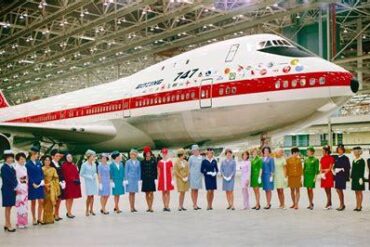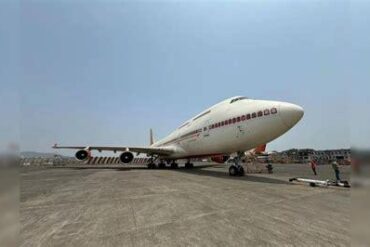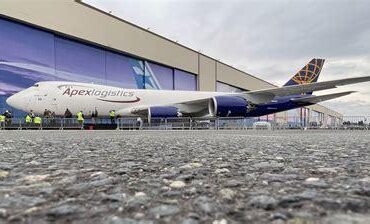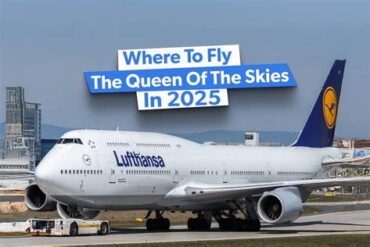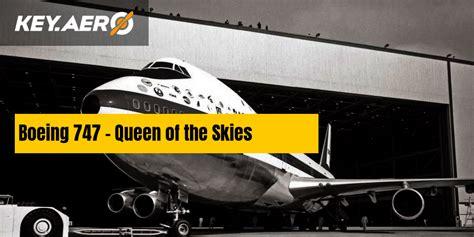
When the Boeing 747 took its maiden flight in 1969, it revolutionized global air travel and redefined the limits of engineering ambition. Known as the “Queen of the Skies”, this wide-bodied colossus symbolized the golden age of aviation. With its distinctive hump-backed silhouette and the capacity to ferry hundreds of passengers across continents, it became a cultural and technological icon. However, in December 2022, over five decades since its debut, the final Boeing 747 was rolled off the Everett production line — a poignant moment marking the end of an era.
Though it remained an engineering marvel until its last breath, the Boeing 747’s retirement was a result of long-evolving industry dynamics. From regulatory shifts and economic pressures to changing airline strategies and technological advancements, a confluence of factors led to its curtain call. We explore the five pivotal forces that grounded the Queen of the Skies.
Twin-Engine Supremacy and the Rise of ETOPS
The most decisive force eroding the 747’s dominance was the global transition toward twin-engine aircraft. This shift was made possible by the Extended-range Twin-engine Operational Performance Standards (ETOPS), which began reshaping aviation as early as the mid-1980s. ETOPS certifications allowed two-engine aircraft to operate far from diversion airports, opening up transoceanic and ultra-long-haul routes previously reserved for four-engine giants like the 747.
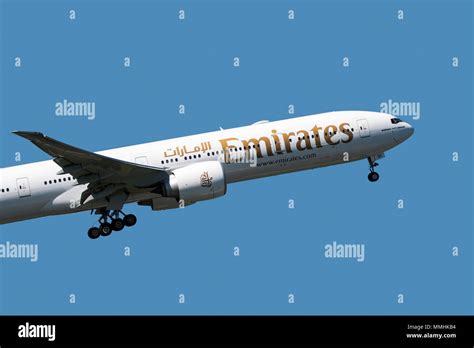
The Boeing 777 and 787, along with the Airbus A350 and A330neo, swiftly became the backbone of long-haul fleets. With ETOPS ratings stretching as far as 370 minutes, these new-generation widebodies could match or exceed the 747’s reach at a fraction of the fuel and maintenance cost. Airlines, operating in an era of razor-thin margins, found it increasingly hard to justify the operation of four-engine aircraft when twinjets delivered nearly equal performance with dramatically better economics.
Shifting Airline Route Models: Hub-and-Spoke to Point-to-Point
The Boeing 747 was born into a world dominated by hub-and-spoke route models, where airlines consolidated traffic through massive hubs before dispersing passengers to smaller destinations. This model was ideal for the 747’s high-capacity design, and it flourished in an era where bilateral agreements and government regulation limited direct international connections.
However, the deregulation of aviation markets, coupled with more efficient twinjets, ushered in a point-to-point era. Suddenly, it was economically feasible to connect secondary cities across continents without the need for a central hub. Direct flights like San Diego to Frankfurt or Doha to Auckland became not only viable but also profitable using aircraft like the 787 or A350. The 747, optimized for density rather than flexibility, struggled to find its place in this fragmented new world. It was designed for a different age — one in which consolidation was the norm, not the exception.
Operating Economics: A Quadjet’s Burden
The Boeing 747 was never shy about its appetite — for fuel, for maintenance, and for crew. In a time when oil was cheap and capacity was king, this was acceptable. But as fuel prices spiked and sustainability came to the forefront, the aircraft’s inefficiencies became glaring. A 747-400 consumes approximately 10–11 tons of fuel per hour, while a 777-300ER uses about 6–7 tons for similar missions. Over long-haul operations, that gap translates to millions of dollars in annual operational savings.
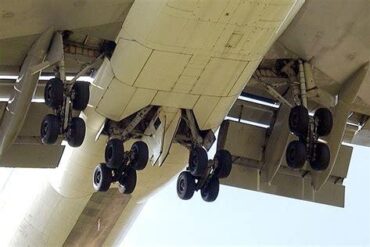
Furthermore, the complexity of maintaining four engines significantly raised inspection and overhaul costs. Crew requirements, from cockpit staff to cabin crew, were steeper, inflating labor expenses. Add in higher spare parts inventory costs and the long-term economic disadvantage of the 747 became undeniable. These burdens were tolerated when passenger numbers soared, but in volatile markets, the risk-reward equation shifted irrevocably.
The Disappointment of the 747-8 Intercontinental
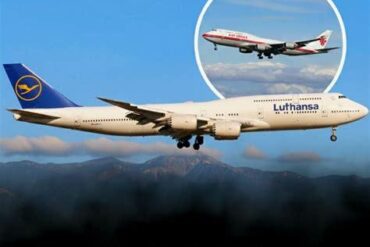
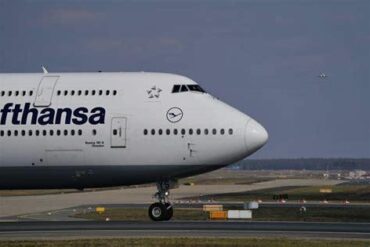
Boeing’s attempt to modernize the 747 with the 747-8 Intercontinental — the longest passenger aircraft ever built — arrived too late. Introduced in 2012, the 747-8I featured cutting-edge GEnx-2B67 engines, redesigned wings, and fuel savings of up to 16% per seat versus its predecessor. Technically brilliant, it nevertheless found minimal success. Only three commercial airlines — Lufthansa, Korean Air, and Air China — placed orders. Total passenger deliveries stood at a mere 48.
The aircraft launched at a time when airlines had already pivoted to twinjets like the 787 and A350. The 747-8I’s economic advantages, though real, could not overcome the perception — and operational truth — that four engines were outdated. Meanwhile, Airbus had already captured much of the ultra-large aircraft market with the A380, leaving Boeing’s upgraded queen with limited suitors. The freighter variant fared better, but cargo alone could not sustain the line.
COVID-19: The Final Blow
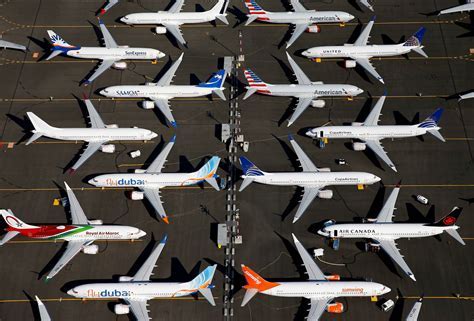
While all these factors were decades in the making, the COVID-19 pandemic served as the terminal event in the 747’s long decline. As international travel collapsed in 2020, airlines slashed capacity and grounded the costliest aircraft first. For many carriers, this meant an abrupt and permanent farewell to their 747 fleets. British Airways, KLM, Qantas, and Virgin Atlantic all accelerated retirements, citing the urgent need for more efficient, lower-capacity aircraft in a diminished travel landscape.
Even as cargo demand surged during the pandemic — a domain where the 747 still shone — it wasn’t enough to reverse the broader market trends. The Queen of the Skies was already on borrowed time, and the global crisis merely hastened the inevitable.
A Timeless Legacy in Aviation History
The Boeing 747 is more than an aircraft — it’s a cultural artifact. It democratized international air travel, carried space shuttles, hosted U.S. Presidents aboard Air Force One, and became a fixture in the collective imagination of aviation lovers worldwide. As the last 747-8F took to the skies in 2023, it marked the end of a lineage that changed aviation forever. Though no longer produced, the aircraft will continue flying in cargo and niche roles for years to come, a lasting reminder of an audacious dream turned airborne reality.
Its reign is over, but its legend is eternal.