The Boeing 747-8 stands as the last chapter of one of aviation’s most storied dynasties. When it launched in 2005, its mission was ambitious: extend the reign of the Queen of the Skies into a new generation, sharpen the aircraft’s commercial relevance, and defend the long-haul market against rising twin-engine rivals and the newly arrived Airbus A380. Two decades later, the 747-8 occupies a unique and almost paradoxical place in global aviation. It is both rare and unmistakably essential, still seen on high-traffic long-haul passenger routes and dominating the skies as one of the world’s most capable dedicated freighters.
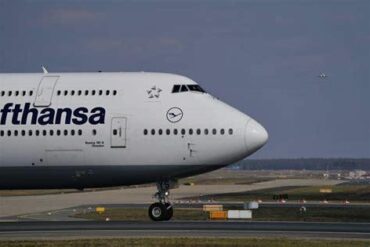
The aircraft’s journey began with high expectations and a determination to modernize the 747 lineage. Boeing delivered a stretched fuselage, redesigned wings, advanced GEnx-2B engines, and an updated cabin concept intended to reframe the jumbo jet for the 21st century. The passenger variant, the 747-8 Intercontinental, flew for the first time in 2011 and entered service with Lufthansa the following year. The freighter version quickly proved more commercially compelling, securing the majority of total program orders and ultimately becoming the backbone of the 747-8’s long-term survival.
Despite entering an era increasingly dominated by efficient twinjets, the 747-8 has held on with surprising tenacity. Its combination of payload capability, range, and reliability ensures that operators—especially cargo carriers—continue to treat it as an irreplaceable asset. While passenger service has narrowed to a small group of loyal airlines, the freighter’s operational lifecycle has only just begun, promising decades more of global service.
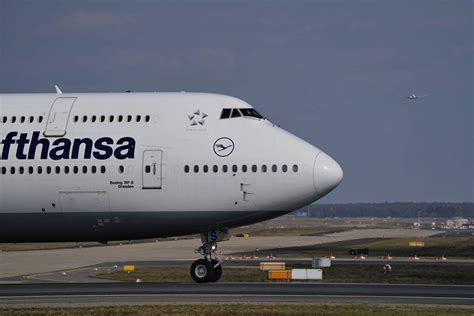
The 747-8 Program: The Final Evolution of an Icon
The 747-8 was conceived as the ultimate refinement of the world’s most recognizable jetliner. Boeing stretched the airframe to make it the longest commercial aircraft ever built, extended its fuel efficiency with advanced high-bypass engines, and sculpted its wings with raked tips to enhance aerodynamic performance. This was the manufacturer’s last attempt to keep four-engine widebodies competitive during a period when market forces were rapidly shifting toward smaller, flexible, long-range aircraft.
The 747-8I attracted only three airline customers—Lufthansa, Air China, and Korean Air—whose confidence in the jumbo jet reflected both operational tradition and specific route requirements. In contrast, the 747-8F became a star performer. Cargo carriers recognized immediately that the aircraft’s high payload capacity, vast internal volume, and improved fuel burn made it a perfect successor to earlier 747 freighters. As twinjet economics forced passenger versions of large quad-engine jets out of the spotlight, the freighter segment continued to rely on the inherent advantages of size and strength that only the 747 platform could provide.
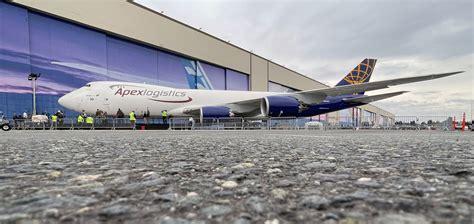
By 2023, the last 747 ever built—a 747-8F for Atlas Air—emerged from Boeing’s Everett factory, marking the conclusion of an era that spanned more than half a century.
Global Passenger Operators: A Select but Influential Group
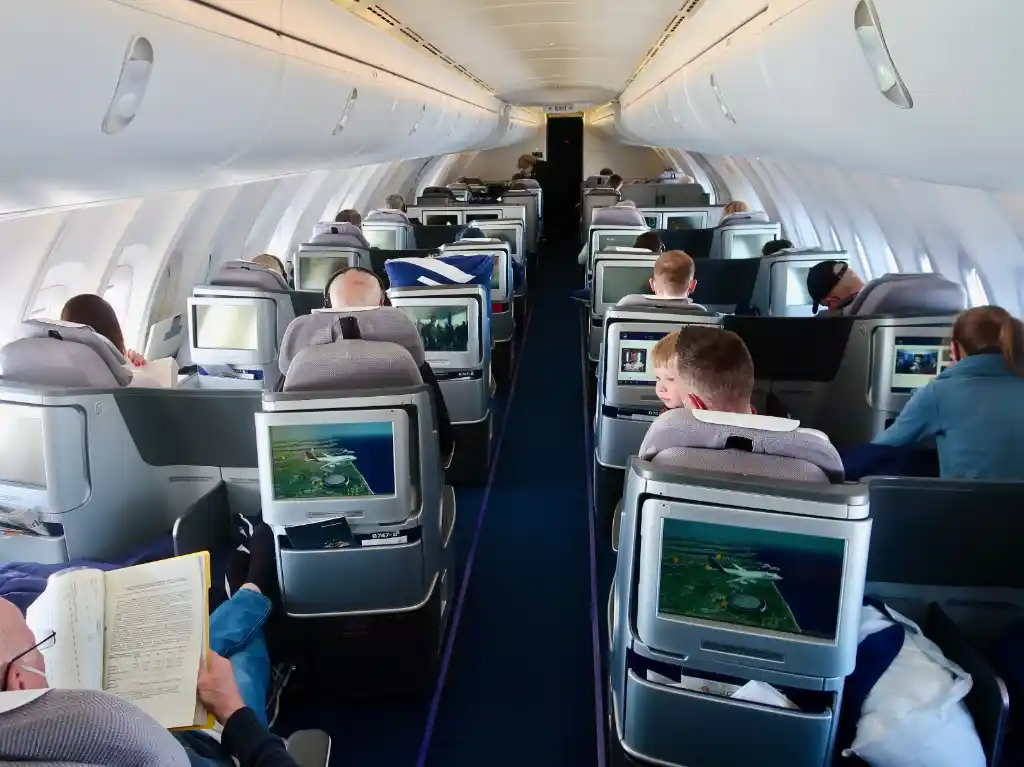
Only 31 747-8 Intercontinental passenger aircraft were ever produced, making the variant a rarity among commercial fleets. Today, 27 of them remain active, primarily flying long-haul missions for three major carriers.
Lufthansa, the largest operator, deploys its 747-8Is on premium, high-demand routes linking Frankfurt with cities such as Los Angeles, Tokyo-Haneda, Mexico City, Buenos Aires, and São Paulo. The aircraft’s capacity, prestige, and range align with Lufthansa’s long-haul strategy, allowing it to maintain a distinctive flagship presence.
Air China continues to rely on the aircraft for key intercontinental routes, pairing its modest 747-8I fleet with remaining 747-400s to strengthen its long-range connectivity. Meanwhile, Korean Air maintains the smallest passenger fleet but remains the only airline to operate both the passenger and freighter versions of the 747-8.
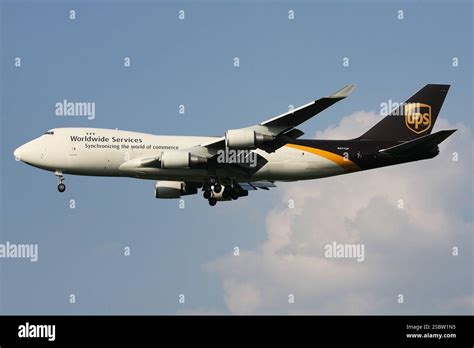
Cargo Dominance: Where the 747-8 Truly Shines
While the passenger variant struggled to gain market traction, the 747-8F became a global logistics powerhouse. A total of 107 freighters were delivered, and an impressive 95 remain active—a testament to the model’s unmatched capabilities.
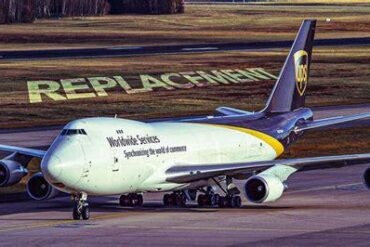
Major operators such as UPS, Atlas Air, Cargolux, Cathay Pacific Cargo, Nippon Cargo Airlines, and Korean Air Cargo continue to rely heavily on the 747-8F. Its ability to transport dense cargo, outsized freight, and high-volume e-commerce goods makes it indispensable. Cargo operation cycles also tend to extend aircraft longevity, meaning the youngest 747-8Fs are only beginning their service lives.
The type’s future is secure for decades, especially as global supply-chain patterns reinforce the need for high-capacity air freight. While some fleets, such as Russia’s AirBridgeCargo, face geopolitical disruptions, the majority of operators remain steady and committed.
Comparing Generations: How the 747-8 Stacks Up Against the 747-400
The 747-400 was the most commercially successful variant of the 747 family, with nearly 700 aircraft delivered between 1989 and 2009. Its dominance shaped global aviation for over two decades. However, the 747-8 represents a clear technical leap forward.
The 747-8I’s typical passenger capacity of 467 passengers far surpasses the 747-400’s limit of 416, while its range advantage helped airlines serve longer intercontinental routes with improved efficiency. Advanced engines, updated avionics, and structural improvements further refined the airframe.
Yet, despite its advantages, the 747-8 emerged during a period of fundamental industry change. Airlines increasingly favored twin-engine aircraft such as the Boeing 777, 787, and the Airbus A350, all of which delivered lower operating costs and greater flexibility. These shifts affected not only the 747-8, but also the A340, A380, and later-production 747-400s.
Successors and Alternatives: What Replaces the 747-8?
With the 747-8 program complete, long-haul carriers face the question of what aircraft can realistically replace its combination of size, range, and capability. Two modern widebodies stand out as natural contenders.
The Airbus A350-1000 offers exceptional fuel efficiency, contemporary cabin comfort, and strong economics, though it cannot fully match the 747-8’s maximum capacity. Its composite fuselage and modern systems make it the leading large twinjet in service today.
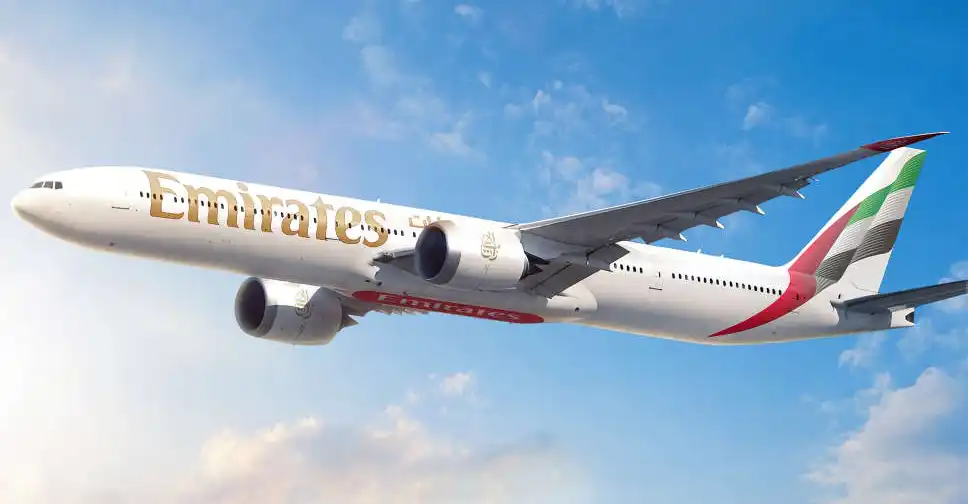
The Boeing 777-9, part of the next-generation 777X family, is positioned as the spiritual successor to the 747 lineage. With greater capacity than the A350-1000, long range, and advanced GE9X engines, the 777-9 is designed to bridge the gap once filled by the 747. However, certification delays push its entry into commercial service to at least 2027.
For carriers like Emirates, which relies heavily on high-capacity aircraft, the 777-9—and potentially a future 777-10 stretch—could help fill the void left by the retirement of A380 and 747 fleets worldwide.
A Future Built on Cargo: The 747-8’s Lasting Role
The Boeing 747-8 may never have dominated passenger markets, but it has carved out a legacy built on resilience, power, and long-term utility. The freighter fleet will continue operating for decades, keeping the 747 name alive in global logistics hubs, major cargo corridors, and remote industrial supply chains.
As one of the most capable cargo aircraft ever built, the 747-8F represents the final evolution of an engineering philosophy that prized lifting power and durability above all else. Even as airlines move toward leaner, quieter, more efficient twinjets, there remains a corner of the sky where only the mighty 747 can thrive.
The Queen of the Skies may have passed her crown to a new generation, but the 747-8 ensures the dynasty endures—still majestic, still unmistakable, and still working tirelessly across the world.