Commercial aviation rarely allows nostalgia to survive for long. Airlines operate in a brutally rational world where fuel burn, maintenance costs, and operational efficiency dictate nearly every decision. Aircraft that fail to meet modern economic standards usually vanish quickly from airline fleets. Yet one remarkable machine continues to defy that logic. Even in 2026, more than half a century after its debut, the Boeing 747 still flies passengers and cargo around the world.
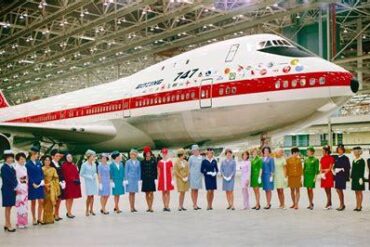
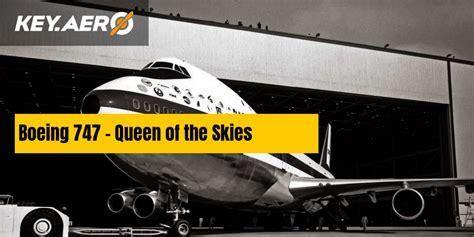
The aircraft earned the nickname “Queen of the Skies” shortly after its introduction in 1970. When Pan American World Airways placed the first 747 into service, the aviation industry experienced a genuine technological shock. The jumbo jet carried far more passengers than previous aircraft, opening the door to mass long-haul travel. Routes that once required multiple stops suddenly became nonstop intercontinental journeys, transforming how people moved across the planet.
For decades the aircraft dominated international aviation. Airlines such as British Airways, Japan Airlines, United Airlines, Pan Am, and Virgin Atlantic built their global networks around the jumbo jet. At major airports, lines of 747s parked at gates became the symbol of international travel itself. But technology moves relentlessly forward. New twin-engine aircraft like the Boeing 777, 787 Dreamliner, and Airbus A350 eventually replaced most four-engine jets. Even so, the 747 refuses to disappear completely.
The Original Jumbo Jet That Changed Global Aviation
The birth of the 747 in the mid-1960s came from a simple but urgent challenge. Air travel demand was exploding, and airlines needed a plane capable of carrying hundreds of passengers across oceans in a single flight. Boeing’s solution was radical. The company designed the largest commercial aircraft ever built at the time, complete with a distinctive upper-deck hump above the cockpit.
The aircraft’s first model, the 747-100, could seat more than 350 passengers in typical configurations and travel roughly 4,620 nautical miles. Those numbers were staggering in 1970. Airlines that previously relied on smaller jets like the Boeing 707 suddenly had access to twice the capacity and dramatically improved economics per seat.
The design also introduced innovations that went beyond capacity. The raised cockpit allowed the entire nose of the aircraft to open upward on freighter versions, enabling the loading of oversized cargo that simply would not fit inside other aircraft. This unusual engineering decision later became one of the reasons the aircraft survived long after passenger airlines began retiring it.
A Flying Laboratory of New Aircraft Variants
Over the decades, Boeing continued refining the aircraft with a series of new variants that pushed the design further. Each generation added improvements in range, payload, efficiency, or passenger comfort.
The early 747-200, introduced in 1971, increased range and power, allowing airlines to expand long-haul networks. Shortly afterward, Boeing created the 747SP, a shortened version optimized for extremely long routes such as transpacific flights. Although produced in limited numbers, the SP proved that the jumbo jet platform could be adapted for specialized missions.
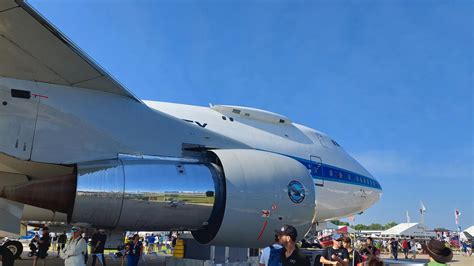
In 1980 the 747-300 arrived with a stretched upper deck, increasing premium seating space. Then came the most successful model of all: the 747-400, introduced in 1989. This version featured new engines, modernized avionics, and significantly longer range. Airlines quickly embraced it as the backbone of their long-haul fleets.
The final passenger version, the 747-8, arrived decades later with advanced aerodynamics and new engines derived from the Boeing 787 program. Despite impressive performance, the aircraft entered service during a period when airlines increasingly favored large twin-engine aircraft, limiting its sales success.
Why Passenger Airlines Still Fly the 747
By the mid-2010s many airlines began retiring their jumbo jets. Four engines burn more fuel than two, and maintenance costs rise accordingly. Yet a few carriers continue operating passenger 747s in 2026 because the aircraft still solves specific operational problems.
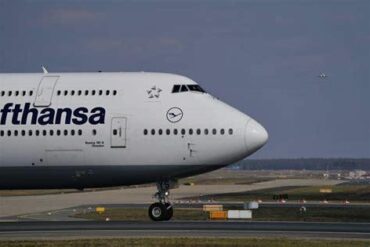
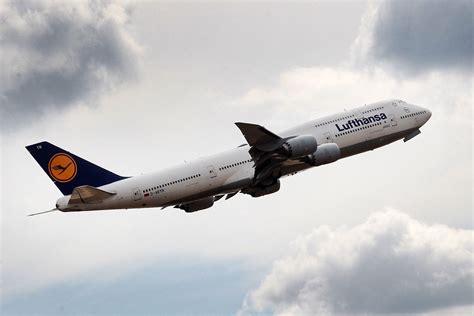
The most prominent operator is Lufthansa, which maintains the world’s largest passenger 747 fleet. The German airline operates both 747-400 and 747-8 variants, using them primarily on high-demand intercontinental routes connecting Frankfurt and Munich with cities across Asia and North America.
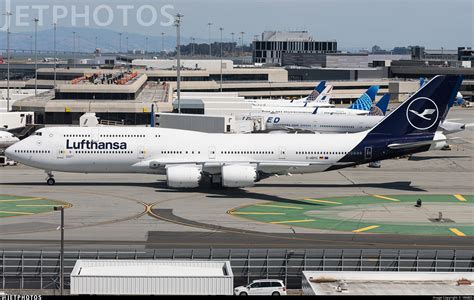
The reason is surprisingly practical. Global aircraft deliveries have faced major supply-chain delays, affecting both Boeing and Airbus production lines. Lufthansa has ordered large numbers of modern aircraft including Boeing 787 Dreamliners, 777Xs, and Airbus A350s, but delivery timelines continue to slip. Keeping the 747 flying allows the airline to maintain seat capacity on critical routes while waiting for those aircraft to arrive.
Korean Air follows a similar strategy. The carrier continues operating several passenger 747-8 aircraft while gradually transitioning to newer widebody jets. The jumbo jet still performs exceptionally well on dense long-haul routes where hundreds of passengers travel between major hubs.
Meanwhile, the Russian airline Rossiya revived a small number of 747-400s after international sanctions disrupted access to Western aircraft. In that unusual case, geopolitical forces rather than pure economics brought the jumbo jet back into service.
The Cargo Industry’s Secret Weapon
Passenger airlines may have mostly moved on from the 747, but the cargo industry absolutely adores it. Freight carriers value three things above all: payload capacity, flexibility, and the ability to handle oversized shipments. The 747 excels at all three.
Unlike most cargo aircraft, the 747 features a hinged nose door that swings upward. This allows forklifts and cargo loaders to place extremely large items directly into the aircraft’s main deck. Massive industrial components, aircraft engines, satellites, and even helicopters can fit inside.
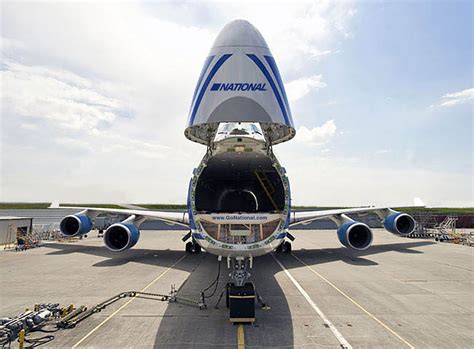
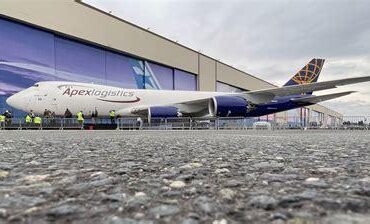
The aircraft also provides exceptional payload capacity. The modern 747-8F freighter can carry approximately 140 metric tons of cargo, along with up to 34 pallets on its main deck. That makes it one of the most capable cargo aircraft ever built.
Freight carriers including Cargolux, UPS Airlines, Nippon Cargo Airlines, and Cathay Pacific Cargo operate large fleets of these aircraft. Many older passenger 747-400s have also been converted into cargo planes, extending their useful lives for decades.
Because global cargo demand fluctuates dramatically, having aircraft with massive payload capacity allows operators to move large volumes quickly during peak periods. Few aircraft can match the 747’s ability to absorb sudden spikes in global shipping demand.
Engineering Features That Keep the Jumbo Relevant
A surprising amount of the 747’s longevity comes down to clever engineering decisions made during its original design. Boeing expected the aircraft to eventually transition into cargo roles once supersonic passenger travel arrived. That prediction turned out to be partially wrong, but the cargo capability became an unexpected advantage.
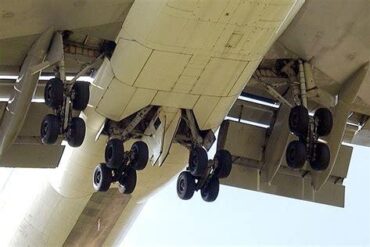
The wide fuselage provides a large unobstructed main deck, allowing efficient pallet loading. The landing gear design distributes weight effectively across multiple wheels, enabling the aircraft to operate from a wide range of airports. Meanwhile, the powerful wing structure allows heavy payloads while maintaining long-range performance.
Another overlooked factor is fleet familiarity. Airlines and cargo operators have decades of experience maintaining and operating the aircraft. Maintenance crews understand its systems deeply, spare parts networks already exist, and training programs remain well established. Replacing such a mature ecosystem is often more complicated than simply buying a new airplane.
The Cultural Legacy of the 747 Passenger Experience
Beyond economics and engineering, the 747 also occupies a unique place in aviation culture. For many travelers, flying on a jumbo jet represented the golden age of long-haul travel.
Airlines once used the aircraft’s spacious interior to experiment with extravagant onboard concepts. Some early 747s featured lounges, bars, and social areas on the upper deck. United Airlines created the Red Carpet Room, while TWA installed the Penthouse Lounge. Japan Airlines famously introduced the “Teahouse of the Sky,” turning the upper deck into a traditional tea space.
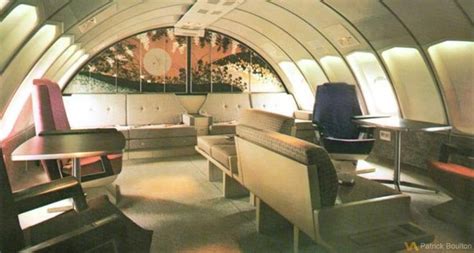
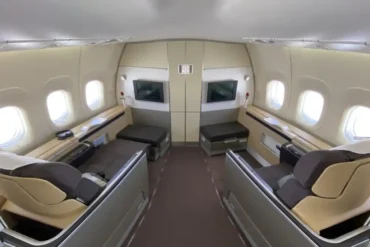
The jumbo jet also helped popularize modern premium cabins. Early business-class seating concepts emerged during the 747 era as airlines searched for ways to bridge the gap between economy and first class. Those innovations eventually evolved into today’s fully flat business-class suites.
Even today, many aviation enthusiasts actively seek flights on the remaining passenger 747s simply to experience the aircraft before it disappears entirely from commercial service.
A Future Still Written in the Sky
Production of the Boeing 747 officially ended in 2023, closing one of the most influential manufacturing chapters in aviation history. Yet the aircraft itself continues flying in large numbers. Hundreds remain active worldwide, primarily in cargo roles but also in government and specialized operations.
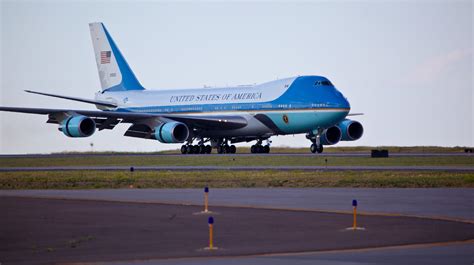
Several governments operate heavily modified versions as VIP transport aircraft, including the United States with the famous Air Force One fleet. Other nations maintain their own customized jumbo jets for official travel and strategic missions.
Cargo airlines are expected to operate 747 freighters well into the 2030s and possibly beyond, particularly the newer 747-8F models. Their combination of payload capacity and unique loading capabilities still has few true competitors in the global cargo market.
The result is a strange and delightful aviation paradox. Passenger airlines largely replaced the aircraft with more efficient designs, yet the jumbo jet continues working quietly behind the scenes, hauling freight across oceans and occasionally carrying travelers on iconic long-haul routes.
More than fifty years after its first flight, the Boeing 747 remains both a symbol of aviation’s past and a practical tool for its present. Very few machines manage that trick. The Queen of the Skies may no longer rule the passenger world, but she clearly hasn’t finished flying yet.