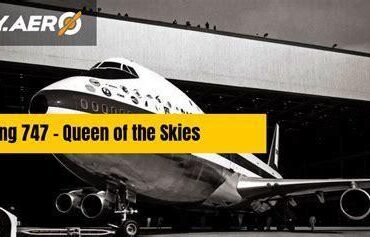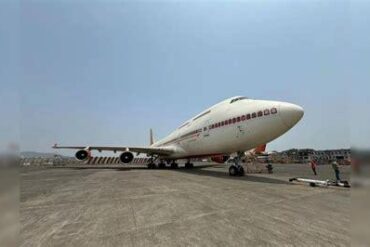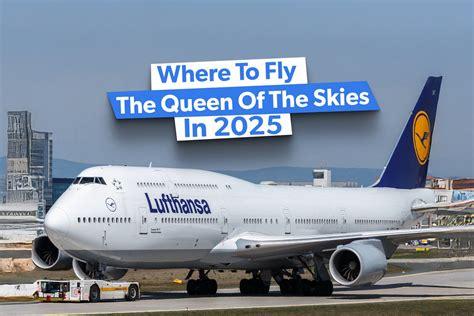
The Boeing 747 is no longer the dominant force it once was. For decades, the aircraft symbolized the glamour of long-haul travel, carrying millions of passengers across oceans while reshaping global aviation. Known as the “Queen of the Skies,” the jumbo jet introduced unprecedented passenger capacity and became a flagship aircraft for airlines around the world.
Today, however, the aviation landscape has changed dramatically. Modern twin-engine aircraft such as the Airbus A350, Boeing 787 Dreamliner, and increasingly efficient versions of the Boeing 777 have made four-engine passenger aircraft economically difficult to justify. Airlines now prioritize fuel efficiency, lower maintenance costs, and operational flexibility over sheer capacity.
As a result, only a handful of carriers continue operating scheduled passenger Boeing 747 services. For aviation enthusiasts, flying aboard a passenger 747 has become a rare experience. For premium travelers, it remains one of the most distinctive ways to cross the globe, particularly when seated in the aircraft’s iconic upper deck or nose section.
While cargo operators continue relying heavily on the jumbo jet, scheduled passenger services have dwindled to a small group of airlines. These remaining operators offer some of the last opportunities to experience commercial travel aboard one of aviation’s most legendary aircraft.
By 2026, four airlines stand out as the primary passenger Boeing 747 operators: Lufthansa, Air China, Korean Air, and Rossiya Airlines. Each offers a different interpretation of the jumbo jet experience, with ticket prices ranging from surprisingly affordable premium seats to ultra-luxury first-class fares exceeding the cost of a luxury automobile.
Why the Boeing 747 Is Disappearing From Passenger Service
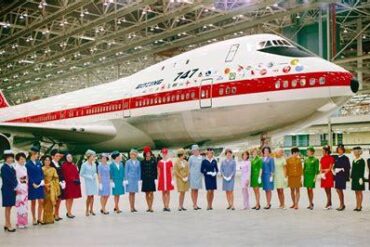
The Boeing 747 revolutionized aviation when it entered service in 1970. Its distinctive hump-backed design, enormous passenger capacity, and long-range capabilities enabled airlines to transport more travelers than ever before.
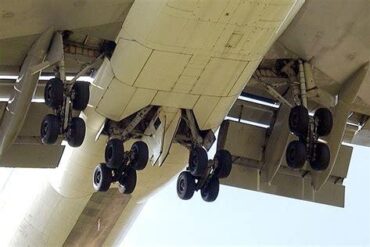
Yet the same characteristics that once made the aircraft revolutionary now create challenges. The aircraft’s four engines consume significantly more fuel than modern twinjets. Maintenance costs are also higher due to the complexity of operating a larger airframe and additional engines.
The newest passenger variant, the Boeing 747-8 Intercontinental, attempted to modernize the concept with advanced aerodynamics and improved efficiency. Unfortunately, airlines had already shifted their focus toward aircraft like the Boeing 787 and Airbus A350.
Only three passenger airlines ever purchased the 747-8. Production eventually ended, and the final Boeing 747 was delivered in 2023, marking the end of one of aviation’s most successful aircraft programs.
Despite its declining presence, the 747 continues to attract loyal travelers who appreciate its spacious cabin, unique upper deck, and historic significance.
Lufthansa: The World’s Largest Passenger Boeing 747 Operator
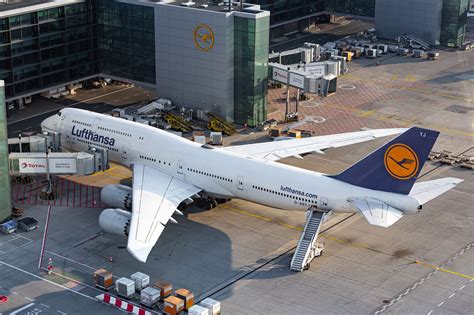
Among all airlines still operating passenger Boeing 747 flights, Lufthansa remains the undisputed leader.
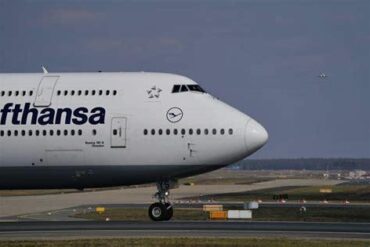
The German flag carrier currently operates a fleet of 26 passenger Boeing 747s, including both the classic 747-400 and the newer 747-8. Eight aircraft belong to the older 747-400 fleet, while eighteen are 747-8 variants.
Lufthansa was the launch customer for the passenger 747-8 and remains its strongest supporter. While the airline plans to retire its aging 747-400s and replace them with future Boeing 777-9 aircraft, the 747-8 is expected to remain in service for many years.
All Lufthansa passenger 747 operations are based at Frankfurt Airport, one of Europe’s busiest international hubs.
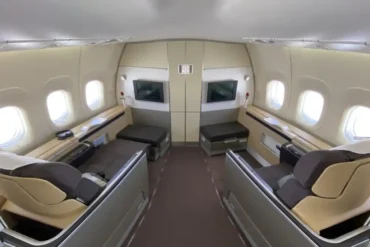
Passengers flying the 747-8 enjoy access to four travel classes, including the increasingly rare First Class cabin positioned at the front of the main deck.
Premium fares vary significantly depending on season and route.
Typical one-way fares include:
- First Class: $8,000 to over $16,000
- Business Class: $3,500 to $7,000
- Premium Economy: Under $1,000 to more than $3,500
The airline deploys its 747 fleet on several major international routes. The 747-400 serves destinations including Toronto, Vancouver, Singapore, Bengaluru, Boston, and Houston. Meanwhile, the flagship 747-8 flies to major cities such as Los Angeles, San Francisco, Newark, Chicago, Tokyo Haneda, Johannesburg, São Paulo, Buenos Aires, and Mexico City.
One of Lufthansa’s most distinctive features is the famous upper deck business-class cabin, which remains a favorite among frequent flyers seeking a quieter environment.
Lufthansa’s Premium Experience on the Boeing 747-8
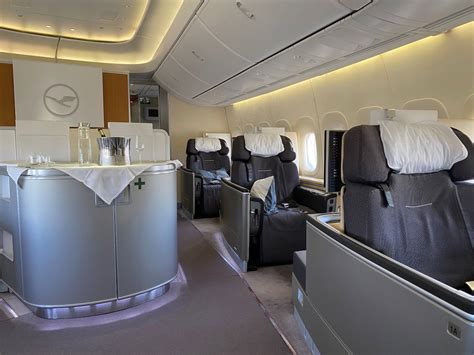
The Lufthansa 747-8 offers one of the most authentic modern jumbo jet experiences available today.
Passengers booking first class gain access to spacious suites, premium dining, exclusive lounges, and limousine transfers at select airports. The forward section of the aircraft retains an atmosphere that many aviation enthusiasts consider unmatched by newer aircraft.
Business-class travelers benefit from the unique upper-deck cabin, where the smaller passenger count creates a more intimate setting than found on most widebody aircraft.
The airline is also upgrading the fleet with its new Allegris cabin concept, ensuring that the 747-8 remains competitive despite its age.
Air China: Flying the 747 Across China and Beyond
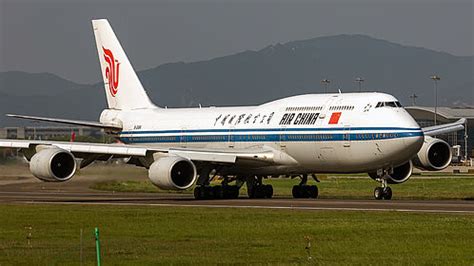
Air China operates the second-largest passenger Boeing 747 fleet among active commercial airlines.
Its fleet includes both 747-400 and 747-8 aircraft. Although several aircraft have been assigned to governmental transport duties, the airline still uses a number of 747s for commercial passenger service.
Unlike Lufthansa, Air China deploys many of its jumbo jets on domestic routes within China. These aircraft frequently serve high-demand corridors where passenger volumes justify their enormous capacity.
Internationally, the 747-8 primarily appears on routes linking Beijing with:
- Frankfurt
- New York JFK
- Washington Dulles
These flights represent some of the longest scheduled passenger Boeing 747 services currently operating anywhere in the world.
Air China’s premium cabins can command extremely high fares.
Typical one-way pricing includes:
- First Class: $14,000 to nearly $20,000
- Business Class: $4,000 to $6,000
- Premium Economy: Often under $2,000
The airline’s first-class cabin features Safran Venus suites, while business class uses the respected Collins Aerospace Diamond seat.
With only twelve first-class seats available, Air China’s flagship jumbo jet offers one of the most exclusive Boeing 747 experiences still available to commercial travelers.
Air China’s Unique Premium Cabin Layout
Air China’s Boeing 747-8 configuration reflects a blend of luxury and capacity.
The aircraft contains twelve first-class suites and fifty-four business-class seats, creating substantial premium seating compared to many modern widebody aircraft.
Interestingly, the airline’s premium economy product differs from competitors. Rather than installing a completely separate seat design, Air China uses the same basic seat structure found in economy class but provides considerably more legroom and personal space.
This approach allows the airline to maximize flexibility while still offering a differentiated product for premium economy passengers.
For travelers seeking a relatively affordable way to experience the Boeing 747, Air China’s premium economy cabin can occasionally represent strong value on transpacific routes.
Korean Air: The Most Luxurious Boeing 747 Experience
Although Korean Air operates only four passenger Boeing 747-8 aircraft, many aviation enthusiasts consider its cabins the finest among all remaining 747 operators.
The airline’s version of the jumbo jet emphasizes passenger comfort rather than capacity.
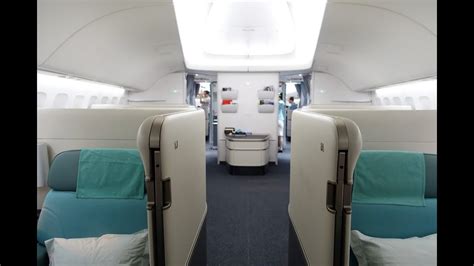
Located in the aircraft’s iconic nose section are six Kosmo Suite 2 first-class suites. These spacious accommodations feature sliding privacy doors, premium bedding, and large entertainment screens.
Behind them sits a highly regarded business-class product known as Prestige Suites, based on the popular Apex Suite platform. These seats provide direct aisle access and exceptional privacy despite their relatively dense cabin arrangement.
Unlike Lufthansa and Air China, Korean Air does not offer premium economy on its Boeing 747-8 fleet.
Instead, the aircraft features three classes:
- First Class
- Prestige Business Class
- Economy Class
The airline primarily operates the 747-8 between Seoul Incheon and Los Angeles, one of the most recognizable jumbo jet routes still available.
Business-class fares typically range from approximately $2,000 to $4,000 one way, depending on travel dates and demand.
First-class pricing varies dramatically based on point of origin. Passengers departing from the United States often encounter fares exceeding $14,000, while departures originating in Seoul may occasionally be available for approximately $4,100, creating remarkable value for premium travelers.
Why Korean Air’s Boeing 747 Is So Popular
Several factors contribute to the popularity of Korean Air’s jumbo jet service.
First, the airline’s cabin design feels noticeably more modern than many competing 747 products. The combination of private suites, spacious seating, and high-quality onboard service elevates the overall experience.
Second, Korean Air continues to maintain the aircraft exceptionally well, preserving a premium atmosphere despite the fleet’s advancing age.
Finally, travelers appreciate the opportunity to fly in the iconic nose section, a feature available on very few commercial aircraft anywhere in the world.
Although Korean Air intends to retire its passenger 747 fleet by 2031, the aircraft remains a flagship product for now.
Rossiya Airlines: The Boeing 747 Most Travelers Will Never Experience
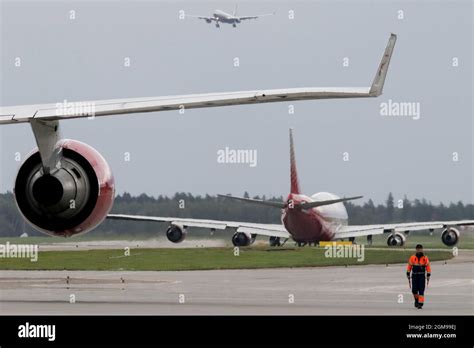
Russia’s Rossiya Airlines, a member of the Aeroflot Group, operates six passenger Boeing 747-400 aircraft.
Interestingly, Rossiya actually maintains more passenger 747s than Korean Air, making it one of the world’s largest remaining operators.
However, geopolitical realities limit access to these flights for most international travelers.
The airline primarily uses its jumbo jets on domestic routes connecting Moscow with destinations in Russia’s Far East, including Magadan, Khabarovsk, and Blagoveshchensk.
Unlike the premium-focused cabins found on Lufthansa, Air China, and Korean Air, Rossiya’s 747s prioritize passenger volume.
Its active configuration includes just 12 business-class seats and an astonishing 510 economy seats, creating one of the highest-density Boeing 747 passenger layouts in operation today.
The business-class cabin occupies part of the upper deck, while the lower deck is overwhelmingly dedicated to economy-class seating.
Although the seats are older than those found on international competitors, they still provide respectable comfort and seatback entertainment systems.
For most aviation enthusiasts outside Russia, however, securing a ticket remains extremely difficult.
Other Airlines Still Operating Passenger Boeing 747 Aircraft
Beyond the four primary operators, several smaller carriers continue flying passenger-configured Boeing 747s.
Max Air of Nigeria operates a small fleet of 747-400 aircraft on selected regional routes. Mahan Air in Iran also maintains a passenger 747, although operational activity remains limited.
Meanwhile, charter specialists continue finding niche uses for the jumbo jet.
Atlas Air operates several passenger-configured 747-400 aircraft for charter missions. Some feature remarkably premium-heavy layouts with only 189 seats, including ten first-class seats and 143 business-class seats.
These aircraft demonstrate how adaptable the 747 remains even decades after its introduction.
Another charter operator, Terra Avia, continues utilizing passenger 747-400 aircraft in high-capacity configurations, though fleet activity varies.
The Future of Passenger Boeing 747 Flights
The decline of passenger Boeing 747 operations appears irreversible. Every major airline that once relied on the aircraft has either retired it or announced plans to do so.
British Airways, KLM, Qantas, United Airlines, Delta Air Lines, Air France, Japan Airlines, and Singapore Airlines have all moved on from passenger 747 service.
Yet the aircraft’s story is far from over.
Lufthansa’s commitment to the 747-8 ensures that commercial passenger flights aboard the Queen of the Skies will continue into the next decade. Cargo operators are also expected to keep flying freighter versions for many years, particularly the highly capable 747-8F.
For travelers, the shrinking fleet has transformed a routine aircraft into something special. Booking a seat on a passenger Boeing 747 is no longer simply transportation; it is participation in aviation history.
As fleets continue to shrink and retirement dates approach, opportunities to fly aboard the world’s most famous jumbo jet become increasingly rare. Whether in Lufthansa First Class, Air China’s premium cabins, Korean Air’s luxurious Kosmo Suites, or even Rossiya’s uniquely dense domestic configuration, every remaining passenger Boeing 747 flight represents one more chapter in the remarkable legacy of the Queen of the Skies.