What Is a Flying Ace?
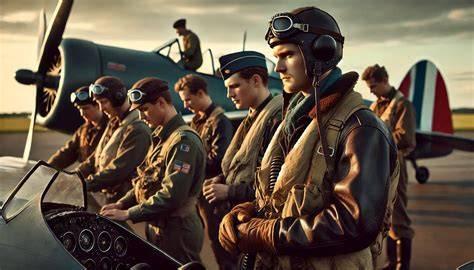
A flying ace is a military pilot credited with shooting down at least five enemy aircraft in aerial combat. The title emerged during World War I, when fighter pilots began engaging one another in increasingly dangerous dogfights above the battlefields of Europe.
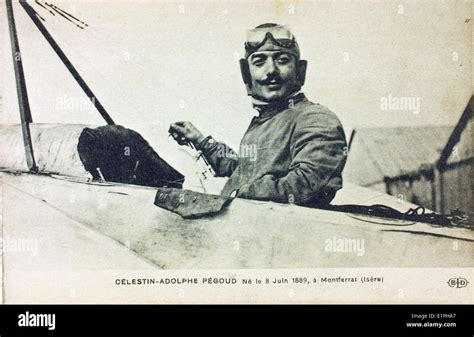
The word “ace” became associated with exceptional skill after French pilot Adolphe Pégoud achieved five confirmed victories. He was reportedly described as “l’As,” meaning “the ace,” and the expression quickly became associated with pilots who demonstrated extraordinary success in air combat.
Becoming an ace was never simply a matter of flying a powerful aircraft. Pilots needed exceptional judgment, accuracy, situational awareness, courage, and the ability to remain effective while facing extreme physical and psychological pressure.
The distinction also became remarkably rare. According to the reference material, 1,447 American pilots had earned ace status by 2026. More than 60,000 pilots served from World War I through the Vietnam War, meaning only around 2.4% achieved the five-victory threshold.
How the Flying Ace Tradition Began
The concept of aerial combat developed rapidly during World War I. Aircraft initially served largely for reconnaissance, but opposing forces soon realized that controlling the skies could provide a major battlefield advantage.
Pilots began carrying weapons into the air and attacking enemy aircraft directly. These encounters produced the classic dogfights associated with early fighter aviation. Success depended heavily on maneuvering skill because aircraft lacked many of the sophisticated sensors, missiles, and targeting systems available today.
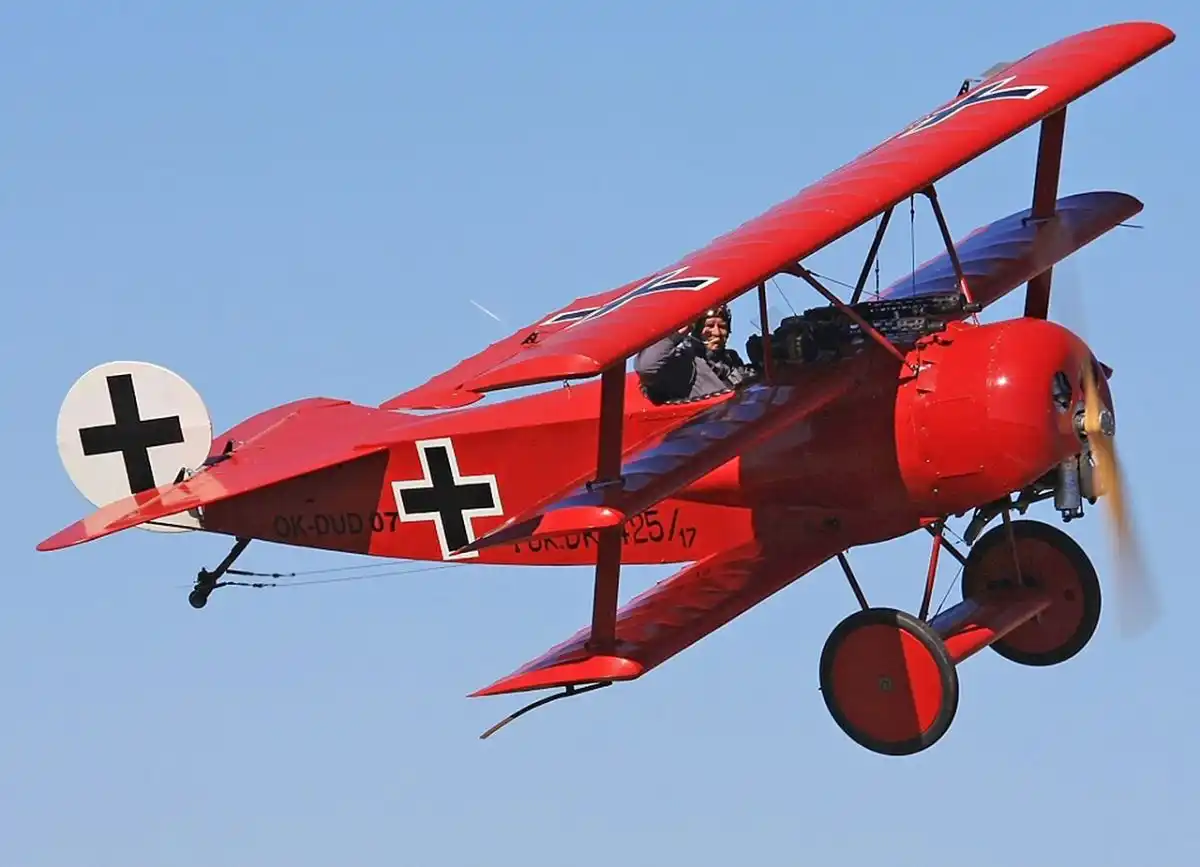
The most famous ace of the First World War became Manfred von Richthofen, better known as the Red Baron. Flying aircraft including the distinctive Fokker Dr.I triplane, Richthofen accumulated 80 confirmed victories, making him one of the most recognizable figures in military aviation history.
The Greatest Flying Aces in History
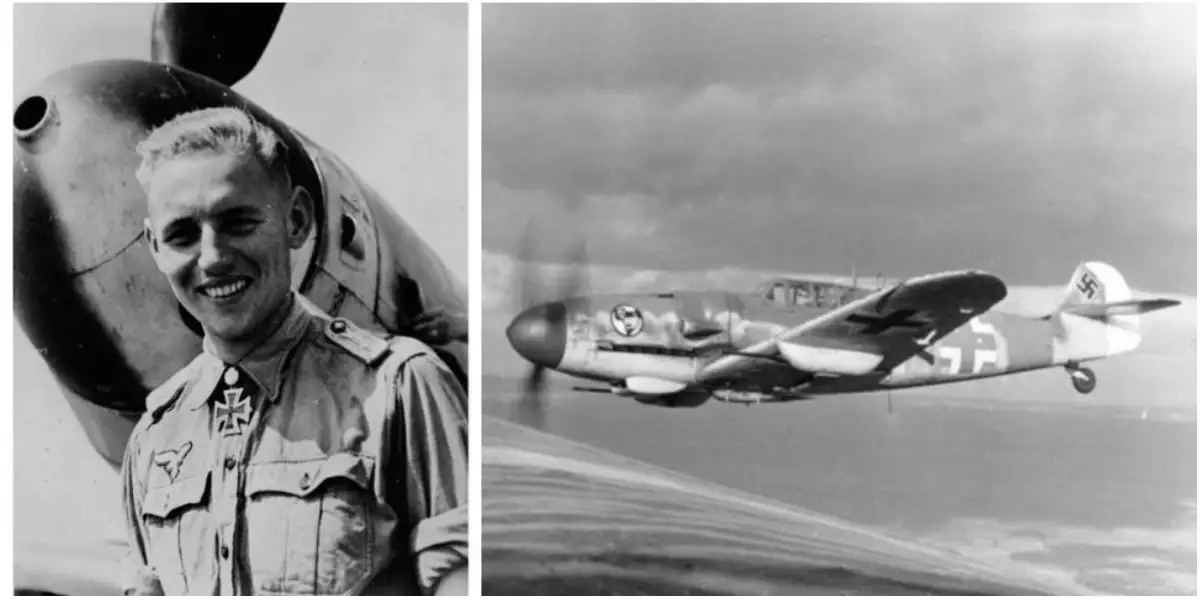
The standards of aerial combat changed dramatically during World War II, and some pilots accumulated extraordinary numbers of victories. German fighter pilot Erich Hartmann achieved 352 confirmed kills after flying more than 1,400 combat missions in the Messerschmitt Bf 109. His record remains the highest number of confirmed aerial victories credited to a fighter pilot.
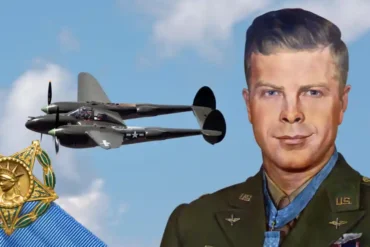
American ace Richard Bong became the United States’ highest-scoring ace of World War II, with 40 confirmed victories while flying the P-38 Lightning. His fellow American pilot Thomas McGuire Jr. followed with 38 victories.
On the Soviet side, Ivan Kozhedub achieved 62 confirmed victories against German forces, establishing himself as the Soviet Union’s leading World War II ace.
These extraordinary records illustrate how different aerial warfare had become. Pilots were flying faster aircraft, operating across enormous combat zones, and conducting repeated missions under extraordinarily dangerous conditions.
The Vietnam War and the End of the Classic Ace Era
The Vietnam War produced another generation of flying aces, but it also demonstrated how quickly aerial combat technology was changing. American pilot Capt. Richard “Steve” Ritchie became the first U.S. Air Force ace of the conflict, reaching five confirmed victories in 1972.
North Vietnamese pilot Nguyễn Văn Cốc reportedly achieved nine confirmed victories, making him the highest-scoring ace associated with the Vietnam War.
Since then, advances in radar, beyond-visual-range missiles, electronic warfare, and precision targeting have fundamentally transformed air combat. Modern fighter pilots can potentially engage opponents without ever seeing them directly.
That technological shift helps explain why the traditional five-kill ace has become increasingly rare. Since Ritchie’s fifth victory in 1972, no pilot has achieved the traditional flying-ace distinction in combat.
Why Becoming a Flying Ace Is So Difficult
A flying ace represents far more than a numerical achievement. Each confirmed victory historically required a pilot to survive an environment where a single mistake could be fatal.
The title reflects a combination of combat experience, tactical intelligence, aircraft control, marksmanship, decision-making, and composure under pressure. In the era of visual dogfighting, a pilot also needed to understand an opponent’s movements almost instinctively while managing speed, altitude, energy, ammunition, and threats from multiple directions.
Ultimately, the flying ace remains one of military aviation’s most enduring honors. Although modern warfare may have moved beyond the classic dogfight, the pilots who earned the title helped shape the tactics, technology, and mythology of aerial combat for generations.