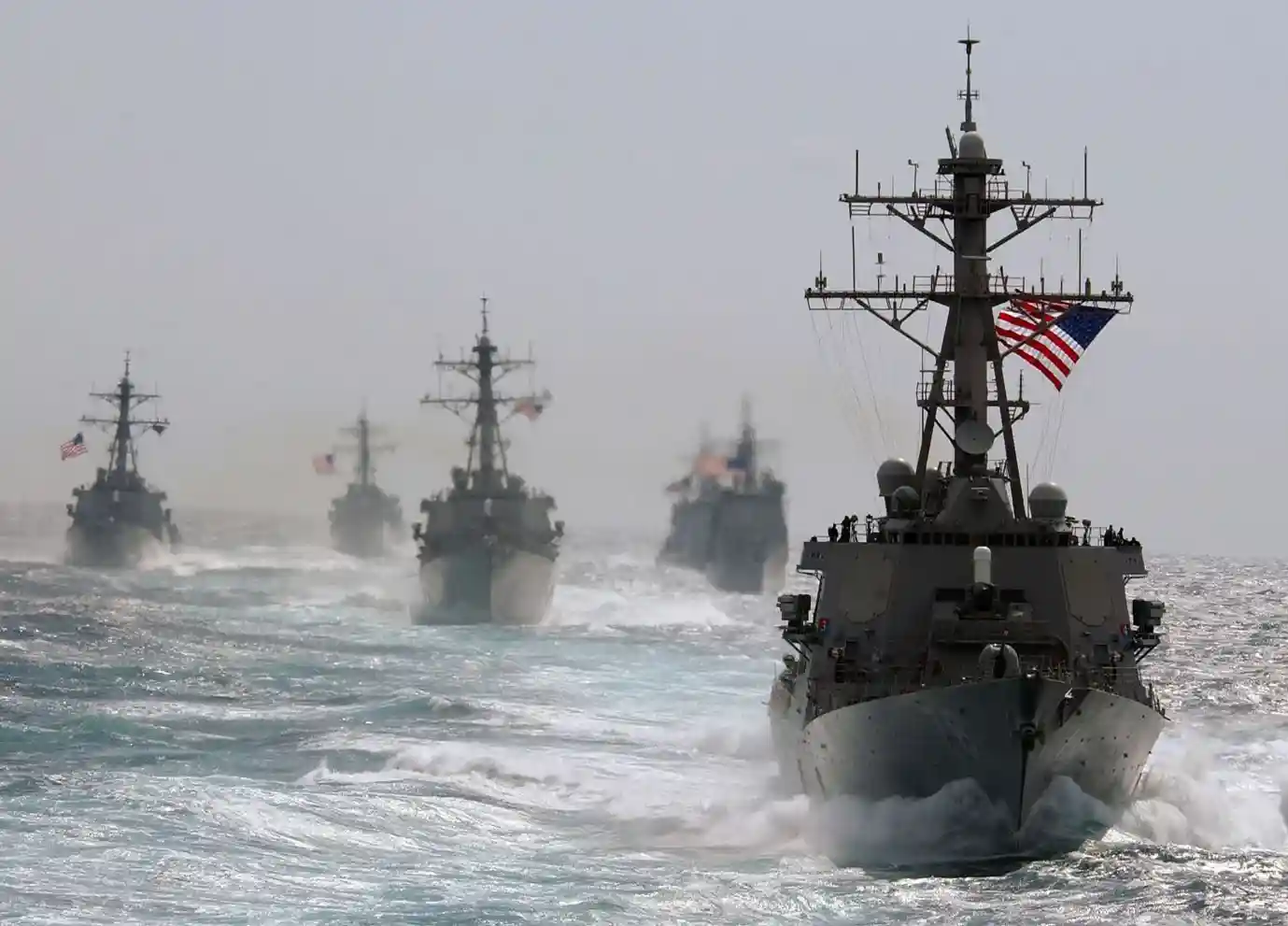
For centuries, naval forces across the globe have relied on intricate traditions to name and classify their warships. These traditions not only signify national pride but also offer critical information about a ship’s status, origin, and operational role. Among these, one of the most recognizable designations in the world is USS, seen proudly emblazoned across vessels of the United States Navy. But what exactly does USS stand for, and what does it signify?
The answer stretches back through history, weaving together centuries of naval heritage, international convention, and military precision.
The Global Tradition of Naval Prefixes
Naval prefixes serve as a standardized shorthand for identifying a ship’s nationality and, in many cases, its operational role or ownership. These prefixes have become symbols of authority and maritime legacy. The British Royal Navy, for instance, has adorned its ships with HMS, meaning “His Majesty’s Ship” or “Her Majesty’s Ship,” depending on the reigning monarch. This tradition, formalized in 1790, represents both the vessel’s national identity and its direct commission by the Crown.
Other nations follow similar patterns:
- ARA – Armada de la República Argentina (Argentina)
- HMNZS – Her Majesty’s New Zealand Ship (New Zealand)
- HMCS – Her Majesty’s Canadian Ship (Canada)
- INS – Indian Naval Ship or Israeli Naval Ship (India and Israel)
The United States, as a relatively young naval power compared to its European counterparts, introduced its own distinctive prefix: USS, standing for “United States Ship.”
The Origins of USS: From Tradition to Standardization
The use of USS predates America’s rise to global naval prominence. As early as the 1790s, United States warships were informally referred to as “United States Ship” or “USS,” aligning with the growing tradition among navies worldwide to identify vessels with such prefixes. However, at that time, there was little formal structure or consistency in the practice.
It wasn’t until the early 20th century that this changed. In 1907, then-President Theodore Roosevelt, a staunch advocate for naval power, issued Executive Order 549. This directive standardized the designation process, stating:
“In order that there shall be uniformity in the matter of designating naval vessels, it is hereby directed that the official designation of vessels of war, and other vessels of the Navy of the United States, shall be the name of such vessel, preceded by the words ‘United States Ship,’ or the letters ‘U.S.S.,’ and by no other words or letters.”
This executive order cemented “USS” as the official, exclusive designation for all commissioned warships of the United States Navy, eliminating previous inconsistencies and reinforcing the country’s commitment to disciplined naval structure.
Commissioning: The Gateway to the USS Title
Earning the “USS” prefix is not automatic for every vessel built or operated by the Navy. A ship must undergo a formal commissioning ceremony, a time-honored tradition dating back to 1775, when the Continental Navy was first established.
During commissioning, a vessel is officially placed into active service, marked by ceremonial rituals, speeches, and often the breaking of a champagne bottle across the ship’s hull. It is only after this event that a vessel is entitled to bear the “USS” prefix.
Conversely, vessels that operate in support roles but are not commissioned, such as those under the Military Sealift Command, receive the designation USNS, meaning “United States Naval Ship.” These ships, while crucial to logistical operations, do not carry the same combat status or ceremonial distinction as USS vessels.
Uncommissioned naval vessels may still possess names and hull numbers, but without the USS prefix, signaling their different operational status.
Iconic Examples of USS Warships
Over the years, the USS prefix has been associated with some of the most advanced, historic, and revered vessels in naval history. These ships have not only served as instruments of war but also as symbols of American ingenuity, strength, and sacrifice.
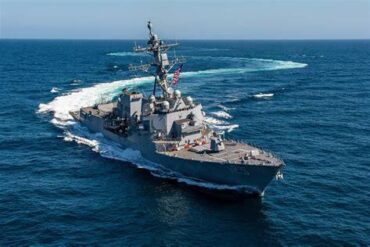
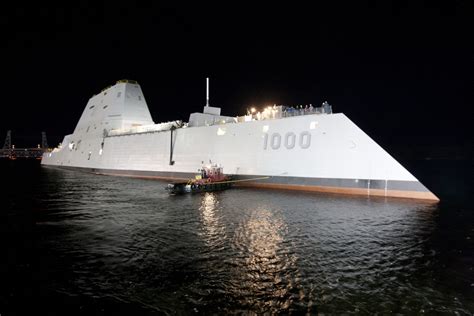
One such vessel is the USS Zumwalt (DDG 1000), a state-of-the-art destroyer commissioned in October 2016. With its sleek, radar-evading design, the Zumwalt represents a leap forward in naval stealth technology and futuristic combat capability.
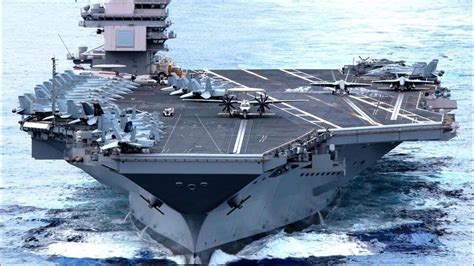
Equally significant is the USS Gerald R. Ford (CVN-78), commissioned in July 2017. As the first in a new class of nuclear-powered aircraft carriers—the first new class in over 40 years—the Gerald R. Ford epitomizes modern naval air power, capable of projecting American military force across the globe.
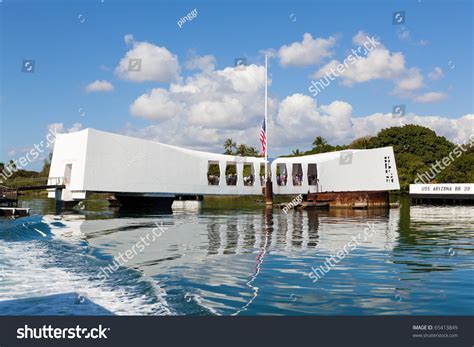
Historical examples carry deep national significance as well. The USS Arizona (BB-39), commissioned in October 1916, remains one of the most solemn symbols of American history. The battleship was sunk during the attack on Pearl Harbor in December 1941, entombing many of its crew and marking a pivotal moment that propelled the United States into World War II.
Further back in history, the USS Constitution, famously nicknamed “Old Ironsides,” set sail for the first time in July 1798. As the oldest commissioned warship still afloat in the world, the Constitution serves as a living museum, embodying centuries of American naval heritage.
The Lifecycle of the USS Prefix
The “USS” designation is not permanent throughout a ship’s entire lifespan. It applies strictly during the period when a vessel is officially commissioned and actively serving in the United States Navy.
Before a ship’s commissioning, even if fully constructed and undergoing sea trials, it is identified solely by its assigned name and hull number. For instance, during its construction phase, the USS Gerald R. Ford was known as PCU Gerald R. Ford, with “PCU” standing for “Pre-Commissioning Unit.”
Once decommissioned, the vessel loses its USS designation, reverting to its name without the prestigious prefix. In some cases, decommissioned ships may be preserved as museum ships, scrapped, or sunk to create artificial reefs.
Beyond the Prefix: USS as a Symbol of Naval Power
The use of “USS” transcends administrative necessity—it is a powerful symbol of America’s global maritime influence. Every ship that bears the prefix reflects the broader legacy of American naval dominance, dating back to the bold vision of Alfred T. Mahan, whose 1890 book “The Influence of Sea Power Upon History” argued that a nation’s greatness is tied to its command of the seas.
Today, USS warships form the backbone of American force projection. Aircraft carriers, destroyers, submarines, and cruisers carrying the “USS” prefix operate in every corner of the globe, safeguarding trade routes, responding to crises, and participating in joint operations with allied nations.
The USS fleet is not merely about combat capability; it represents technological advancement, international diplomacy, and the enduring traditions of the United States Navy, where every commissioning ceremony marks the beginning of a new chapter in American maritime history.
In essence, USS is more than three letters—it is a testament to the country’s enduring commitment to safeguarding the seas and asserting its presence on the world stage.