The idea of a flying car has moved from science fiction into real engineering projects. Vehicles that can travel on roads and take to the skies are being developed by companies around the world, but one major question remains: will you need a pilot’s license to operate one? The answer depends on how the vehicle is classified and what aviation regulations apply.
Unlike traditional cars, flying cars are not automatically treated as road vehicles. Many designs are closer to aircraft that happen to include road-driving capabilities. Because of this, operators may need aviation training, special certifications, or even a formal pilot’s license before taking off.
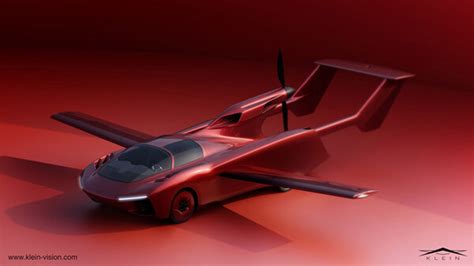
The difference can be seen in projects such as the Klein Vision AirCar and Alef Aeronautics Model A. The AirCar was designed to transform from a road vehicle into a small aircraft. After receiving airworthiness certification in 2022, Klein Vision stated that pilots would need a license to operate it. This approach follows traditional aviation rules because the vehicle functions as an aircraft when flying.
Flying Car Regulations Depend on Vehicle Classification
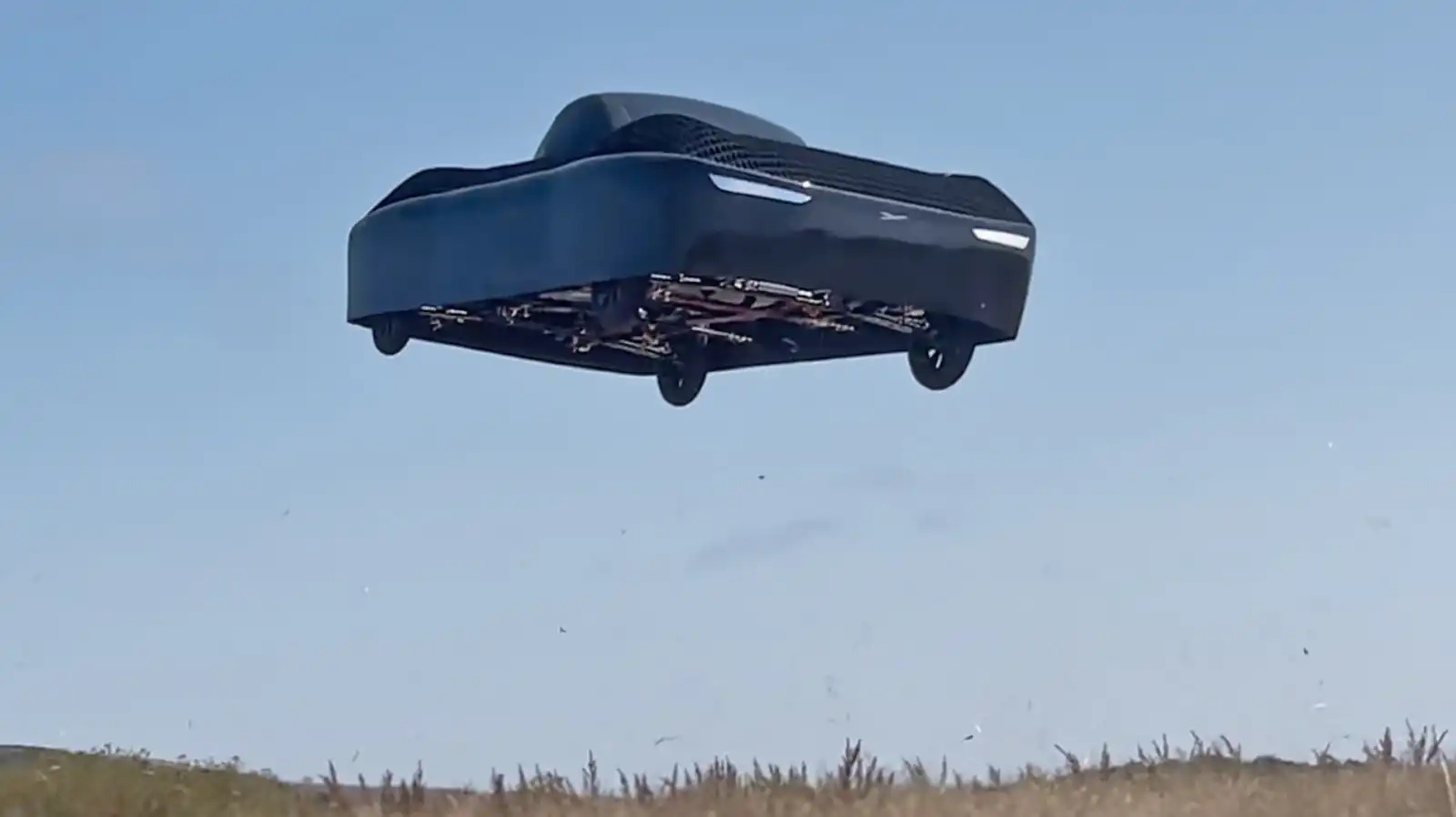
Alef Aeronautics has taken a different route with its Model A Ultralight flying car. The company designed the vehicle to qualify under the FAA’s Part 103 ultralight aircraft category, which generally does not require a traditional pilot’s license. However, this does not mean anyone can immediately fly one without preparation.
The classification of a flying car determines the level of training required. A vehicle considered a light aircraft may require a private pilot certificate, while an ultralight vehicle may operate under different rules. Manufacturers must carefully design their vehicles around existing aviation frameworks while also working with regulators to create safer pathways for future users.
This creates a complicated situation because many vehicles marketed as flying cars are technically electric vertical takeoff and landing aircraft (eVTOLs). They may look like futuristic cars, but regulators often evaluate them as aircraft rather than automobiles.
eVTOL Flying Cars May Require Special Training
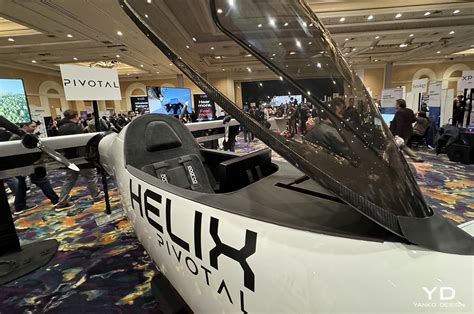
The Pivotal Helix is an example of an eVTOL that falls under Part 103 rules. Operators may not need a traditional pilot certificate, but they still must complete the company’s flight training program and become authorized before flying. This approach allows manufacturers to maintain safety standards without relying entirely on existing pilot licensing systems.
Other aircraft, such as AeroAuto’s Air EV One, follow stricter requirements. The vehicle requires flight certification training, although the company has not specifically stated that operators must hold an FAA-issued pilot license.
Future FAA Rules Could Change Flying Car Requirements
The future of flying car licensing will likely depend on evolving aviation regulations. The FAA’s Modernization of Special Airworthiness Certification (MOSAIC) initiative could influence how lightweight aircraft are designed, certified, maintained, and operated.
MOSAIC aims to modernize rules for light-sport aircraft while improving safety and expanding opportunities for personal aviation. Manufacturers developing next-generation flying vehicles are watching these changes closely because updated regulations could make flying cars easier to certify and operate.
However, licensing is only one part of the challenge. Integrating flying cars into everyday transportation will require solutions for air traffic coordination, communication systems, operating areas, and safety standards. The FAA must ensure that new aircraft concepts can safely share airspace with helicopters, airplanes, and other aviation traffic.
The Future of Flying Car Ownership
Even if regulations become clearer, owning a flying car will likely remain more complex than owning a normal automobile. Future operators may need specialized training, maintenance knowledge, and access to approved flight areas.
Ultimately, there will not be one universal answer to whether a flying car requires a pilot’s license. Some vehicles may operate under simplified ultralight rules, while others will require full aviation certification. As technology develops, the line between cars and aircraft will continue to evolve, and licensing requirements will evolve with it.