Flight delays and cancellations are frustrating enough without the added stress of navigating the complicated web of airline compensation. While many travelers are entitled to reimbursement under EU Regulation 261/2004, the path to receiving that compensation can be fraught with delays, denials, and confusing procedures. This is where third-party services like Skycop come in. But the big question remains: Should you trust a company like Skycop, or is it better to go directly through the airline? Let’s dive deep into the realities, advantages, drawbacks, and potential red flags of using Skycop or other flight compensation intermediaries.
Understanding EU261 and Your Rights as a Passenger
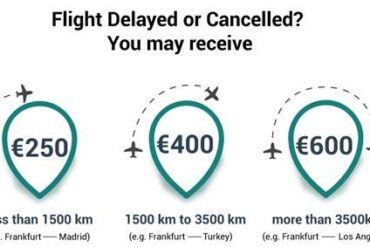
Under EU Regulation 261/2004, passengers flying within, to, or from the EU may be entitled to compensation ranging from €250 to €600 depending on the length of the delay and flight distance. Airlines are obligated to compensate passengers when flights are delayed more than three hours, canceled without adequate notice, or denied boarding due to overbooking—unless the cause is considered an “extraordinary circumstance.”
However, airlines often invoke vague reasons like weather, technical issues, or air traffic control restrictions to avoid paying out. Even when claims are legitimate, they may delay processing, ignore communication, or reject claims with boilerplate responses.

The Appeal of Using Skycop and Similar Companies
Skycop is one of many companies that position themselves as the solution to the uphill battle of claiming compensation. Promising to take care of all the legal wrangling, paperwork, and communication with the airline, they often seem like a godsend for passengers who feel helpless against large corporate airline entities.
Skycop claims to handle cases for delays, cancellations, and overbookings, charging a commission (often around 25–35%) only if the claim is successful. Some users report having their claim resolved and money transferred without issues.
However, this is not the full story. Beneath the surface lie significant risks and drawbacks.
Red Flags and Consumer Complaints About Skycop
Numerous reviews from real users across forums and review sites reveal a concerning pattern of dissatisfaction with Skycop:
- Delayed or Missing Payouts: Multiple users claim that Skycop received the compensation from the airline but failed to transfer the money to them for months—or at all.
- Lack of Transparency: The company’s Lithuanian bank accounts, limited contact options, and sparse website information have left users feeling uneasy. One reviewer noted that “there are no real addresses, just a Lithuanian phone number that no one answers.”
- Exorbitant Fees: While the official commission on Skycop’s website is advertised as around 35%, some users allege that they received none of their compensation, effectively paying a 100% commission.
- Power of Attorney Documents: Skycop requires users to sign over the authority to claim on their behalf. While this is technically necessary to file a legal claim, it has led to cases where money was paid into Skycop’s account, and the user was left chasing their funds with little response.
Why Going Directly to the Airline Is Often Better
The most important takeaway for air passengers is this: Always try to claim compensation directly through the airline first.
Airlines such as Ryanair, Lufthansa, and KLM have streamlined online forms that allow passengers to file EU261 claims in under five minutes. Submitting a direct claim means that you retain 100% of your compensation without giving up control to a third party.
Many users report success with this approach, particularly if the delay or cancellation clearly falls within the guidelines of EU261. Others note that airlines may try to stall, but persistence and the threat of escalating to a national enforcement body often prompt faster resolution.
When It Might Make Sense to Use a Broker Like Skycop
That said, there are scenarios where third-party services like Skycop might be worth considering:
- When You’ve Been Rejected by the Airline: If the airline denies your claim citing vague reasons or refuses to respond, companies like Skycop can escalate the claim, sometimes even to court.
- When Language or Legal Barriers Exist: If you’re dealing with a foreign airline and don’t speak the local language or understand EU legal frameworks, it may be less stressful to use a broker.
- When You Lack Time or Energy: If you’re not willing to pursue a claim over months or file paperwork repeatedly, outsourcing the process—while expensive—can be more convenient.
But even in these situations, it’s crucial to vet the company thoroughly. There are multiple reputable alternatives that offer transparent pricing, direct deposit to the client, and positive user feedback.

Better Alternatives to Skycop for Airline Compensation
If you decide to use a claims broker, it’s essential to choose one with a strong reputation. Several companies offer similar services, but with better transparency and customer support. Some options to explore include:
- AirHelp
- ClaimCompass
- FlightRight
- Compensair
These platforms are often more user-friendly, have clear fee structures (typically 20–25%), and do not require complete legal power of attorney unless taking legal action.
Do your research. Check independent review platforms like Trustpilot, and confirm how they collect and remit your compensation. The best companies allow you to track the process, communicate clearly, and will never hold onto your money longer than legally necessary.
The Danger of Giving Away Power of Attorney
Perhaps the most critical legal element when working with a company like Skycop is the power of attorney agreement. This document allows the company to act on your behalf, including receiving money in your name.
While this may sound efficient, it also means that if the broker receives the money and decides not to pay you, your legal recourse is complicated. It requires pursuing the company in its jurisdiction—often Eastern Europe—and possibly navigating costly legal processes.
This has happened to multiple travelers. One user reported contacting Turkish Airlines, only to discover their compensation had already been sent to Skycop six months prior—with no further communication from the company.
Steps to Take Before Choosing Any Compensation Service
To avoid falling victim to delays or scams, consider these steps:
- File the claim directly with the airline first.
- Document everything: boarding passes, delay notifications, emails from the airline.
- Check if your travel insurance covers delay compensation.
- Use a trusted broker only if the airline rejects your claim or doesn’t respond.
- Read all terms before signing any legal documents.
- Never share full banking details unless the company is verified and secure.

Conclusion: Be Smart With Your Compensation Rights
Skycop may seem like a quick fix for airline compensation hassles, but the experiences of many travelers reveal serious drawbacks—delayed payouts, lack of communication, and questionable legal practices. The safest and most profitable route is almost always to file a claim directly with the airline.
If you must use a third-party company, choose one with proven accountability, transparent terms, and a record of timely payouts. Remember: your right to airline compensation is protected by law, but it’s your responsibility to safeguard your share from disappearing into the pockets of opportunistic intermediaries.
By staying informed, documenting your flight details, and being persistent, you can ensure that your rights as a passenger are upheld—without unnecessary losses along the way.