Understanding the Impact of Airline Strikes on Air Travel
When airline strikes erupt, the aviation industry grinds to a halt. These labor disruptions, whether triggered by pilots, cabin crew, ground handlers, or air traffic controllers, can lead to massive delays, widespread cancellations, and significant logistical chaos. For travelers, the consequences are not only inconvenient but financially and emotionally taxing. What many fail to realize is that under certain conditions, air passengers are legally protected and may be entitled to compensation, despite the strike being considered an “extraordinary circumstance.”
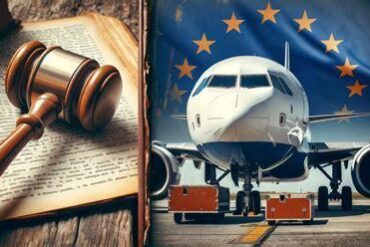
EU Regulation 261/2004 plays a pivotal role in defining passenger rights when flights are affected by strikes. However, the law’s interpretation is layered with nuance. While strikes are often seen as extraordinary events—thus excluding airlines from compensation obligations—this exemption is not absolute. If an airline could have reasonably prevented the disruption or failed to manage the aftermath effectively, liability and compensation become enforceable.
The Legal Framework: EU Regulation 261/2004
The European Union’s Regulation EC 261/2004 governs air passenger rights within and from the EU. It specifies that compensation is owed when flights are delayed by more than three hours, cancelled, or passengers are denied boarding due to reasons within an airline’s control.
Under typical circumstances, this regulation mandates financial compensation ranging from €250 to €600, depending on the flight distance:
-
€250 for flights under 1,500 km
-
€400 for flights between 1,500 km and 3,500 km
-
€600 for flights over 3,500 km (only if delay occurs in the EU or outbound from EU)
However, when disruptions are caused by a strike, airlines often invoke the “extraordinary circumstances” clause to avoid liability. While the law acknowledges certain strikes—especially external or sudden ones—as valid exceptions, courts have ruled that internal or predictable strikes, particularly those by airline personnel, may not absolve the carrier of responsibility.
When Is a Strike Not an “Extraordinary Circumstance”?
The European Court of Justice (ECJ) has clarified that wildcat strikes or those caused by an airline’s mismanagement may not qualify as extraordinary. For example, if a strike results from sudden layoffs, unnotified scheduling changes, or poor labor negotiations, the airline may still be held accountable. Airlines must demonstrate that they exhausted all reasonable measures to mitigate disruptions. This includes:
-
Rebooking affected passengers promptly
-
Offering alternative transportation such as flights with other airlines, or even trains and buses
-
Providing timely and accurate communication about delays and cancellations
Passenger Rights During Airline Strikes
Even when compensation isn’t guaranteed, airlines have clear responsibilities toward their passengers during strike-induced delays. These obligations include:
-
Meals and refreshments, depending on the delay length
-
Hotel accommodations and ground transfers for overnight delays
-
Two free means of communication (e.g., phone calls or emails)
These support services are not optional. Regardless of whether the delay is compensable, passenger welfare must be safeguarded during disruption.
For example, if a flight is delayed for over 2 hours (short-haul) or 4 hours (long-haul), the airline must begin provisioning food and drinks. If passengers are left stranded overnight, the airline must cover a hotel stay and local transfers at no extra cost to the passenger.
Compensation Eligibility and Time Limits
Compensation claims under EU Regulation 261 can be filed retroactively for up to 6 years, depending on the country’s limitation period. To qualify, passengers must meet certain criteria:
-
The flight must have departed from an EU airport or be operated by an EU-based airline landing in the EU
-
The passenger must have checked in on time and arrived at the gate as required
-
The disruption must have resulted in more than a 3-hour delay at the final destination
Claims cannot be made if:
-
The flight disruption occurred more than 6 years ago
-
The delay was less than 3 hours
-
The flight was not EU-regulated (e.g., operated by a non-EU airline flying entirely outside the EU)
Documenting Your Claim: Evidence and Tools
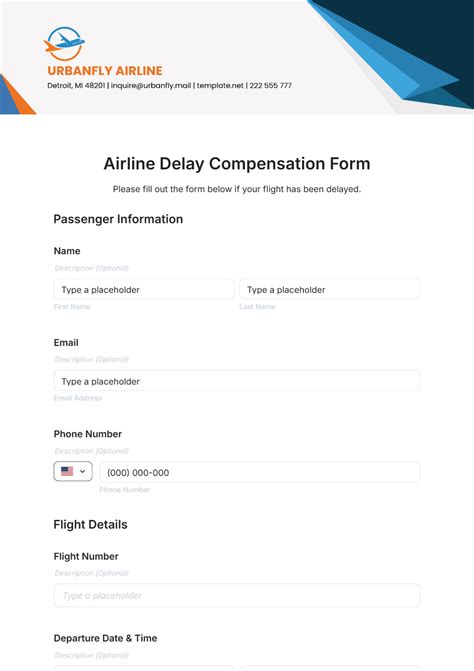
To strengthen a compensation case, passengers should take the following actions during and after the disruption:
-
Request written confirmation of the cause of the delay or cancellation
-
Save all receipts related to meals, hotel stays, or transportation
-
Record exact arrival and departure times
-
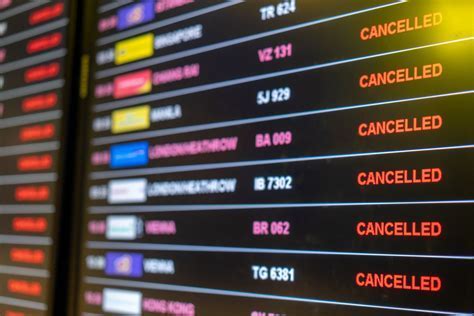
Take photos of airport information boards showing the disruption
-
Use an EU flight compensation calculator to assess eligibility
Many third-party claim agencies can assist in filing compensation requests, often operating on a no win, no fee model. However, passengers may also submit claims directly through the airline’s customer service or legal departments.
Airlines’ Burden of Proof
To escape liability, airlines must demonstrate that all mitigation efforts were exhausted. This includes evidence of attempted rerouting, staff mobilization, and passenger rebooking.
The burden of proof lies with the airline—not the passenger. If no documentation is provided by the airline to show how it attempted to avoid or reduce the delay, courts may rule in favor of compensation, regardless of whether a strike was involved.
Moreover, continued impacts of previous-day strikes can still qualify for compensation if the resulting disruption carries over into the next operational day. Airlines cannot hide behind the strike label if operational breakdowns stem from internal mismanagement or insufficient response.

Real-World Case Examples and Precedents
In 2018, the ECJ ruled that a wildcat strike by airline staff reacting to a restructuring plan was not an extraordinary circumstance. The airline—Germanwings—was held liable for compensation. Similar cases across France, Italy, and the UK have shown that if a strike is rooted in internal labor disputes or foreseeable staffing issues, airlines cannot automatically escape responsibility.
These legal precedents underscore a central point: the nature of the strike and the airline’s conduct before, during, and after the event determines whether compensation is due—not simply the occurrence of a strike.
The Importance of Transparent Communication
Airlines are legally obligated to inform passengers of their rights during a disruption. Failure to do so not only exacerbates passenger frustration but also leaves airlines vulnerable to regulatory scrutiny and legal claims.
Effective communication includes:
-
Prompt notification of the flight status via SMS, email, or app notifications
-
Clear explanation of the reason for disruption
-
Provision of options for rerouting or refund
Passengers should never be left in the dark, particularly during high-tension periods like nationwide transportation strikes.
Mitigation and Proactive Measures by Airlines
While airlines cannot always prevent labor unrest, they are expected to proactively:
-
Maintain open dialogue with unions
-
Prepare contingency staffing plans
-
Contract third-party service providers during strike threats
-
Offer flexible rebooking or refunds before the strike takes full effect
Proactive carriers can significantly reduce the scope of disruption and, by extension, their legal exposure. Passengers, meanwhile, benefit from a smoother and more informed travel experience.
Conclusion
Airline strikes remain one of the most disruptive yet misunderstood causes of flight delays and cancellations. While many carriers attempt to shield themselves under the umbrella of “extraordinary circumstances,” EU Regulation 261/2004 offers passengers a robust framework of rights and entitlements.
Understanding these rights, acting swiftly to document disruptions, and applying pressure through formal claims can turn a frustrating situation into one where accountability is enforced, and compensation is obtained. Airlines cannot escape liability simply by labeling every disruption as extraordinary. Courts have made it clear: the burden of proof and proactive management rests squarely on the airline’s shoulders.
FAQ
What should I do immediately if my flight is delayed due to a strike?
Immediately ask the airline for written confirmation of the disruption, record actual departure and arrival times, retain all receipts for food or accommodation, and confirm if you’re eligible for rebooking. Always verify your eligibility using an EU flight compensation calculator.
Can I claim compensation if my flight was delayed because of an airport staff strike?
Yes, but only if the airline failed to mitigate the disruption or reroute passengers effectively. Strikes by airport ground staff may still lead to compensation if the airline did not act reasonably to minimize the delay.
How long do I have to claim compensation for a strike-related delay?
You can file compensation claims for up to 6 years from the flight date, depending on the national laws of the EU country where the claim is made. Always check the statute of limitations for your jurisdiction.