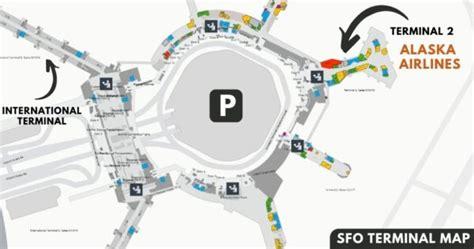
Alaska Airlines’ recent move from Terminal 2 to Terminal 1 at San Francisco International Airport (SFO) marks a significant shift in its Bay Area operations. This change, part of the broader renovation and modernization of SFO, aims to enhance passenger experience while consolidating airline operations. However, the move has sparked mixed reactions from travelers, reflecting both the potential advantages and some early challenges.
Alaska’s New Home at Terminal 1
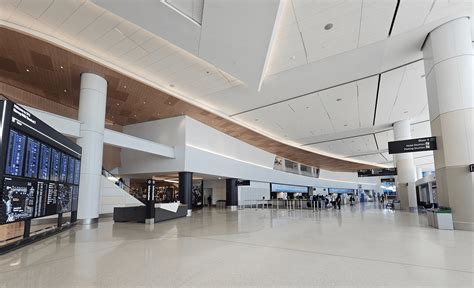
The transition to Terminal 1 places Alaska Airlines alongside other major carriers like Delta Air Lines, creating a hub for domestic travel. This move is part of SFO’s $2.4 billion Terminal 1 renovation project, known as the Harvey Milk Terminal, which boasts modern architecture, advanced passenger amenities, and a focus on sustainability. However, travelers should be prepared for a few key changes:
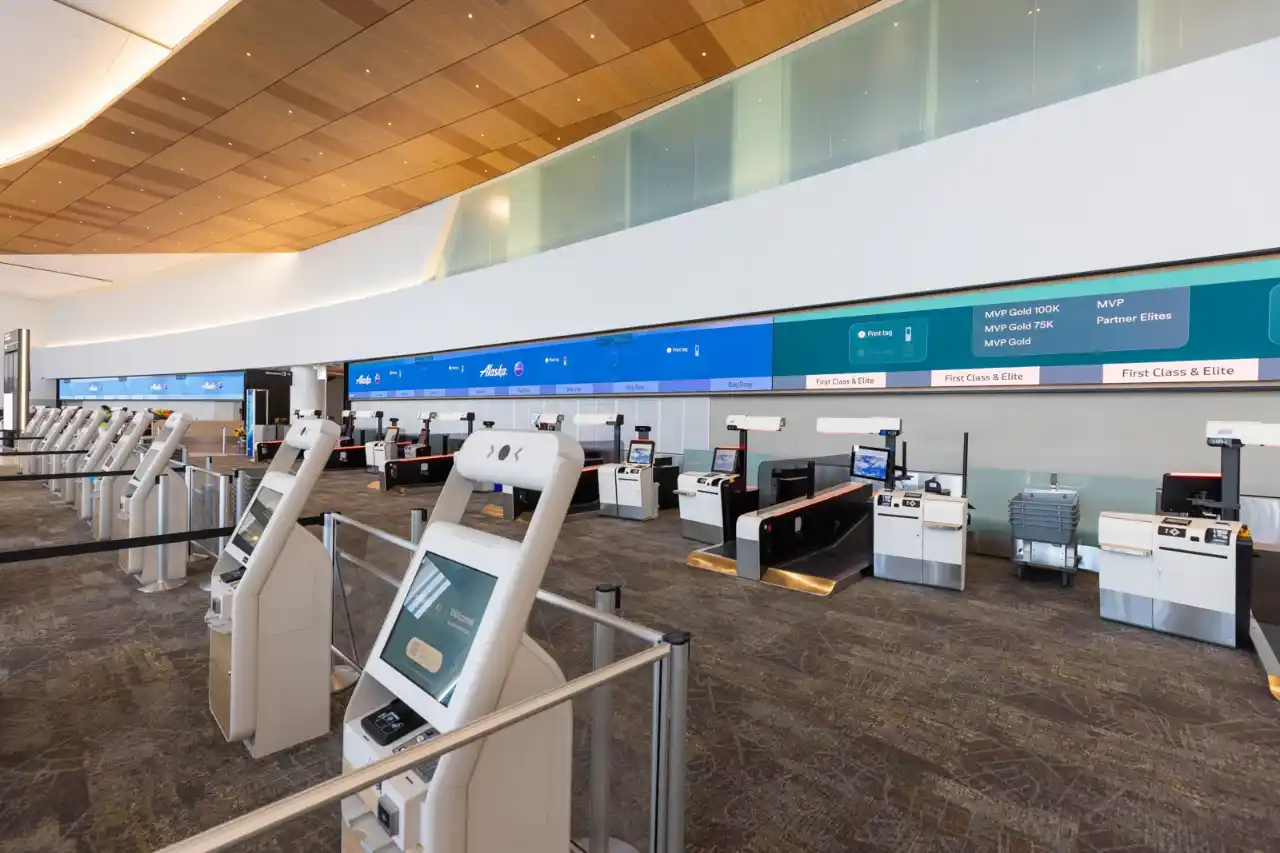
- Check-In and Bag Drop: The check-in and bag drop areas are now located at Check-in Area #4. This section is currently shared with Delta, creating some crowding during peak hours. However, the self-service bag drop system is reported to be efficient, though travelers have noted minor issues, such as difficulty scanning older bag tags. This new system promises faster processing but requires passengers to ensure previous stickers are removed to avoid scanning errors.
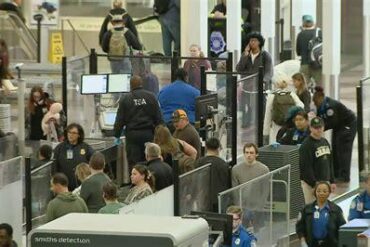
- Security Lines: The TSA PreCheck for Terminal 1 is currently located on the third level, requiring passengers to take an elevator upstairs before heading back down to the main terminal area. This has been noted as a cumbersome setup, potentially adding extra time for those unfamiliar with the layout. Traditional TSA lines are also available on the main concourse, though reports suggest that the machines can be slower than those in other terminals, creating periodic bottlenecks.
- Water Stations and Amenities: Unlike Terminal 2, which featured a full-service hydration station with options for sparkling, cold, room temperature, and hot water, Terminal 1’s offerings are more limited. Water refill stations are located near restrooms and some gate areas, such as near B10 and B21/B26, though they currently only provide cold and room temperature water. This has been a notable point of frustration for regular travelers who appreciated the expanded options in Terminal 2.
Terminal Layout and Passenger Flow
Navigating Terminal 1 can be challenging for those accustomed to the more compact layout of Terminal 2. The concourses are significantly wider, which helps reduce congestion during peak travel times, but it also means longer walks between gates. Some travelers have reported that both moving walkways have been out of service for several months, adding to the fatigue of long terminal walks. Additionally, line management for restrooms remains an area of concern, with narrow hallway spaces creating bottlenecks.
Lounge Access and Premium Services
The Alaska Lounge at Terminal 1 is not yet fully operational, which may disappoint frequent flyers accustomed to the amenities of Terminal 2. Until the lounge opens, travelers with Alaska Lounge+ passes can access the American Airlines Admirals Club, which provides a quieter space to relax before flights, along with a broader selection of food and beverages. This is a valuable perk given the often crowded restaurant and bar areas in Terminal 1.
Dining and Retail Options
Terminal 1 offers a wider array of dining options compared to its predecessor, including local favorites like Proper Food, known for its freshly prepared meals. However, opinions on the quality and consistency of these options vary, with some travelers expressing disappointment in the food quality. The terminal also features popular chains and specialty shops, providing more variety for those with extended layovers.
Final Thoughts: Balancing Convenience and Comfort
While Terminal 1 offers a modern, spacious environment, some Alaska passengers are still adjusting to the differences from Terminal 2. The additional walking distance, ongoing lounge construction, and occasional service issues with TSA lines can be drawbacks for those seeking the efficiency and familiarity of the old terminal. However, the broader concourses and upgraded amenities may appeal to those prioritizing comfort over speed. As the transition continues, passengers should plan for slightly longer travel times within the terminal and take advantage of premium lounge access when possible to make their journeys smoother.
For those who regularly travel through SFO, the ongoing improvements promise a more comfortable and efficient experience over time, though early feedback suggests some fine-tuning is still needed to fully meet passenger expectations.