Understanding Frontier Airlines: A Budget Carrier with Bold Claims
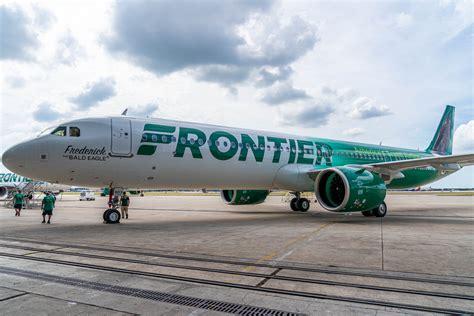
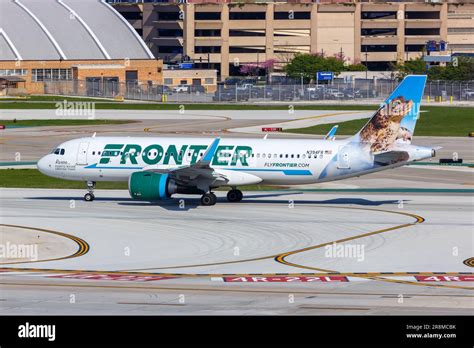
Frontier Airlines, a Denver-based ultra low-cost carrier (ULCC), positions itself under the banner of “Low Fares Done Right”—a philosophy it claims guides every operational and customer-facing decision. Boasting service to over 100 destinations across the United States, Mexico, Canada, Puerto Rico, and the Dominican Republic, Frontier appeals to cost-conscious travelers who prioritize base ticket affordability above full-service amenities.
The airline has earned accolades in the past for operational efficiency, including the FAA Diamond Award for maintenance and a recognition by the International Council on Clean Transportation as the industry’s most fuel-efficient carrier. Yet these technical achievements have not shielded the airline from mounting customer dissatisfaction.
Customer Reviews Reveal Stark Discrepancy Between Promise and Reality
With over 26,000 reviews on Tripadvisor, Frontier Airlines averages a rating of just 2.0 out of 5—a number that speaks volumes. The most common complaints target the airline’s customer service, reliability, and refund policies. Passengers frequently recount experiences involving flight delays, lack of compensation, and unresponsive support channels.
Take the case of a traveler from Cleveland to San Antonio who reported lost baggage and months of unacknowledged claims, ultimately prompting him to post negative reviews across platforms. Another passenger from Orlando, a GoWild! Pass holder with Elite Gold status, described an incident involving a booking error caused by the airline, only to be denied a refund or escalation despite spending over four hours with customer service.
Such narratives reflect not isolated mishaps but a systemic issue: inconsistency in customer communication and follow-through, even for loyalty-tier members. This undercuts the very principle of brand trust Frontier aims to build with its promotional programs.

The Frontier Experience: Minimalism at a Cost
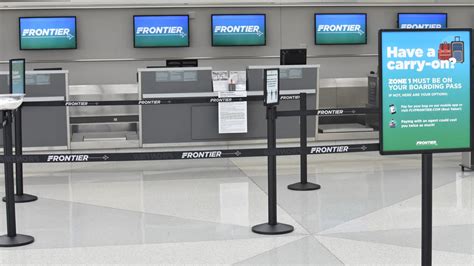
As an ultra-low-cost carrier, Frontier’s pricing model strips air travel down to its essentials. This means that passengers are charged for virtually every service beyond a seat. While the initial fare may appear enticingly low, costs quickly accumulate for carry-ons, checked baggage, seat selection, and even onboard refreshments.
Baggage Fee Structure:
For domestic flights within the U.S., here’s a breakdown of typical baggage charges:
- Carry-on bag: $35 – $60
- 1st checked bag: $30 – $60
- 2nd checked bag: $45 – $95
- 3rd & 4th checked bags: $85 – $95 each
Each bag must weigh no more than 50 lbs (22 kg).
This pricing extends to international routes as well, such as U.S. to Mexico, offering no real advantage to international flyers. While Frontier makes its fees known in advance, the total cost can often match or surpass full-service carriers once all elements are added.
Seating and Onboard Experience: Spartan by Design
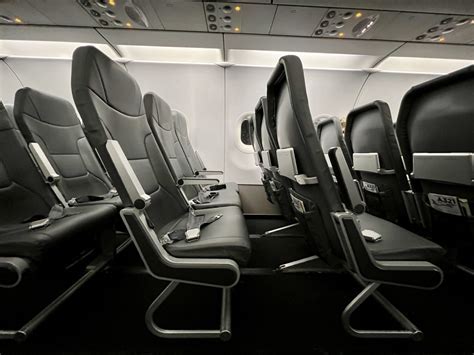
Seat comfort and legroom are among the most heavily criticized aspects of flying Frontier. The airline’s slimline seats, designed to maximize space and reduce weight, often lack reclining functionality and offer minimal padding. Legroom is tight, particularly for taller travelers, with seat pitch reportedly as low as 28 inches.
In-flight entertainment is nonexistent. There is no Wi-Fi, no movies, and no screens on board. This can be particularly frustrating on longer domestic or international routes. Food and beverage service is entirely pay-per-item, with even water coming at an additional charge.
Cleanliness receives mixed reviews. While some passengers report decently maintained cabins, others recount issues such as unclean tray tables and trash in seat pockets—indicative of a rushed turnaround process.
Operational Challenges: Delays, Staffing, and Rebooking Nightmares
One recurring theme in passenger reviews is flight delays and cancellations due to operational issues. Staffing shortages—particularly at ground crew levels—are frequently cited as causes. For example, a traveler from Minneapolis to Portland was delayed on the runway due to understaffing at Denver International Airport. The delay caused a missed connection, despite the connecting flight itself being delayed.
Despite making it to the gate on time, the passenger’s seat was given away, and Frontier staff offered no assistance or alternative booking—forcing the traveler to purchase a $300 same-day ticket on another airline. These kinds of experiences highlight a lack of contingency planning, a critical flaw for any carrier, let alone one that operates on tight schedules and lean staffing models.

GoWild! Pass and Loyalty Perks: Are They Worth It?
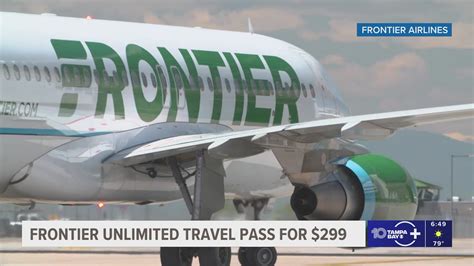
Frontier offers an unlimited flight subscription called the GoWild! Pass, starting at $149 per month. The pass allows passengers to book flights without fare costs (excluding taxes and fees), which initially seems like a promising deal for frequent flyers. However, the reality of using the pass is less convenient.
Booking errors, inconsistent enforcement of pass terms, and lack of support for resolving subscription-related issues are common. Even passengers with Elite Gold status, which includes priority boarding and free flight changes, report being treated like any other economy-class traveler. The implication is clear: status offers minimal protection against systemic flaws.
Why Passengers Still Fly Frontier: The Price Factor
Despite the criticism, many travelers continue to fly Frontier for one simple reason: rock-bottom fares. For those with flexible schedules, no baggage, and short-haul domestic needs, the airline delivers on its promise of affordability. Frontier’s base ticket price can undercut legacy airlines by over 50% on popular city pairs such as Denver to Phoenix or Chicago to Atlanta.
However, the viability of these savings depends heavily on passenger expectations. For backpackers, quick weekenders, or travelers familiar with ULCC fine print, Frontier serves a specific purpose. The challenge arises when customers assume traditional service standards will accompany ULCC pricing.
Conclusion: A Calculated Risk for Budget-Conscious Flyers
Flying Frontier Airlines is undeniably a trade-off between cost and comfort. The airline offers some of the lowest fares in the market but does so by minimizing operational overhead and eliminating frills. For those prepared to travel light, avoid peak holiday periods, and weather inconsistent customer service, the experience can be worth the price.
However, for passengers who value reliability, responsive support, and onboard comfort, Frontier often falls short. The discrepancy between its bold branding and the passenger experience reveals a deeper issue: a disconnect between marketing promises and operational realities.
In sum, Frontier Airlines works best for travelers who enter the relationship with eyes wide open, fully aware of the terms, potential frustrations, and the financial trade-offs involved. It is not an airline for every flyer—but for a niche audience that prioritizes low upfront cost above all else, it delivers exactly what it promises: a seat from point A to point B—nothing more, nothing less.