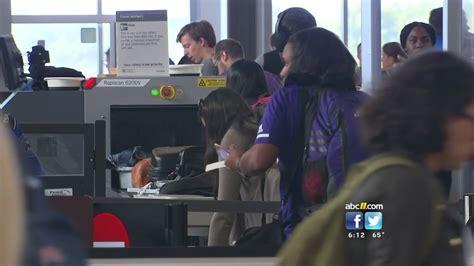
The delay wasn’t a one-off fluke. Instead, several key factors aligned to create a perfect storm.
First, seasonal traffic surges during events such as Mother’s Day, university commencements, and a large influx of New York Rangers fans led to a spike in passenger volume. According to RDU officials, 25% of all daily flights depart before 9 AM, leading to significant early morning congestion.
Second, TSA staffing fluctuations and the implementation of new bag scanners, which although designed to enhance security, have unintentionally slowed down the screening process. These new machines require passengers to position items precisely, and screeners often pause the belt to verify scans manually. This added friction can create ripple effects for hours.
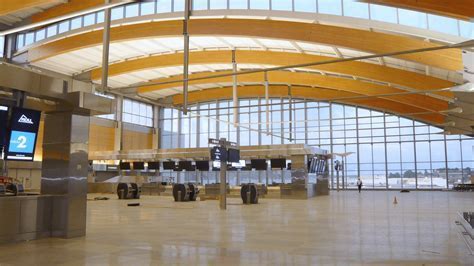
Finally, Terminal 2’s infrastructure—originally designed for smaller traffic volumes—is now straining under the growing demands of a rapidly expanding metro area. This has prompted RDU to propose a landside expansion of Terminal 2 in response to consistent passenger growth and pressure on existing facilities.
Tips from the Frequent Flyers: How to Beat the Lines
Seasoned travelers who frequent RDU emphasize strategic planning as key to avoiding future headaches. Arriving early is essential, particularly for morning flights. Airport officials themselves now advise arriving at least two hours before departure. Here’s how you can make your next trip through RDU less stressful:
- Enroll in TSA PreCheck or Global Entry: These programs can dramatically reduce wait times, especially during peak hours.
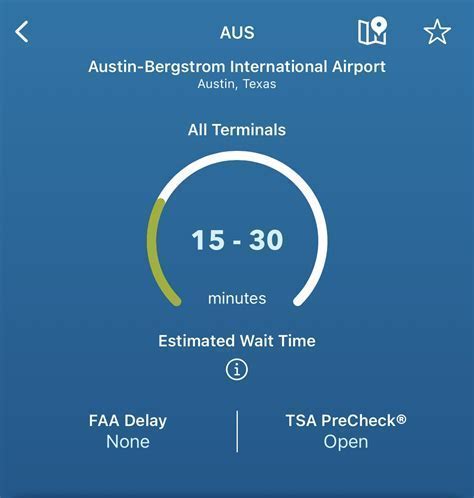
- Check the TSA App: The app offers near real-time wait times and can help you plan better.
- Use Airport Lounges: If you’re already through security and have time to kill, airport lounges offer quieter environments, comfortable seating, free food and drinks, workspaces, and even showers.
For those without premium credit cards, some lounges offer one-time access fees. Apps like LoungeBuddy can help you find and purchase access.
The Role of Technology: Transparency and Real-Time Updates
Another widely echoed recommendation is real-time wait time posting on the RDU website. While the TSA app is a useful tool, many travelers feel the airport itself should do more to proactively communicate delays.
Imagine a homepage banner or dedicated dashboard showing:
- Current wait times by terminal and checkpoint
- Average processing speeds per lane
- Live camera feeds or congestion heatmaps
Such transparency could empower travelers to make last-minute decisions—rerouting through another terminal, opting for alternate check-in methods, or even switching flights. In a digitally connected age, failing to provide real-time information undermines passenger trust.
Infrastructure Constraints: Terminal 2 Expansion and What’s Next
The airport is not ignoring the problem. The planned landside expansion of Terminal 2 is a direct response to growing passenger complaints and operational strain. While construction may cause temporary disruptions, the long-term benefits include:
- Increased checkpoint lanes to improve throughput
- More spacious check-in areas to reduce crowding
- Enhanced baggage handling systems to speed up processing
However, expansions take time. Until then, behavioral adjustments and improved communication will remain our strongest tools. Travelers need to rethink their routines—not just when to arrive, but how they prepare for security checks.
The Psychology of the Wait: Why 90 Minutes Feels Like Forever
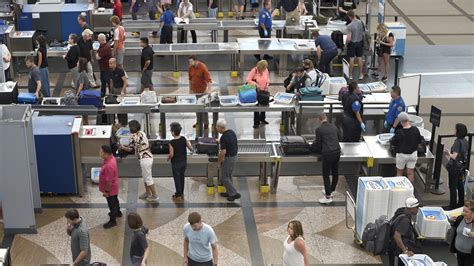
It’s worth noting that perceived wait time often feels longer than actual wait time. A line that snakes around visible landmarks—like the check-in kiosks or down the hall toward the parking area—creates psychological pressure. Uncertainty exacerbates this; not knowing whether you’ll make your flight adds emotional strain to an already stressful process.
Research shows that informed passengers are calmer passengers. Simply knowing what to expect can reduce tension and improve the overall airport experience. Airports that invest in digital signage, friendly staff at chokepoints, and mobile alerts not only improve customer satisfaction but also smooth traffic flow.
The Local Reaction: Humor, Frustration, and Civic Expectations
The original Reddit post sparked jokes about Triangle residents being unprepared for the “big city experience” of crowded airports. But behind the snark is a clear message: RDU’s current setup is no longer meeting the needs of its growing population.
The Research Triangle region is booming, with new tech companies, increased student populations, and expanding business interests. As the airport plays catch-up, residents and travelers alike will need to adapt. Local advocacy could also drive pressure on officials to speed up upgrades or improve service in the interim.
Social media isn’t just a venting space—it’s a customer feedback loop. And as Reddit posts go viral, airport authorities will need to start listening more intently.
Preparing for the Worst: What to Do If You’re Running Late
If you do find yourself cutting it close, consider these last-minute strategies:
- Ask for Help Immediately: Go to the airline counter and notify them that you might miss your flight. Some carriers can expedite the process or rebook you with minimal penalty.
- Use the TSA ‘Help at Checkpoint’ Service: If you have an urgent situation (e.g., medical condition, mobility issues, or language barrier), this service can prioritize your passage.
- Travel Insurance: Depending on your policy, you might be reimbursed for missed flights or receive same-day hotel coverage.
Final Thoughts: A New Travel Mindset for RDU Flyers
What happened at RDU is part of a larger national trend: regional airports struggling to scale up quickly enough to match population growth and shifting travel patterns. While RDU’s management is taking steps in the right direction, it’s up to travelers to take control where they can.
Know the high-risk windows. Leverage available tools. Give yourself breathing room. And most importantly, start treating airport security not as a checkpoint, but as a critical leg of your journey that demands as much planning as your destination itself.
The next time you’re flying out of Raleigh-Durham International Airport, skip the guessing game. Use data, stay informed, and beat the line before it beats you.