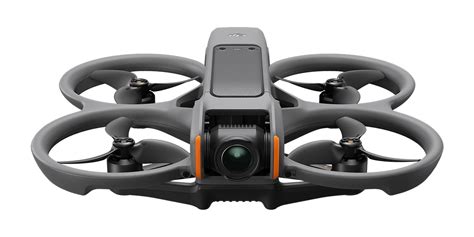
For drone enthusiasts and professional FPV pilots alike, the DJI Avata 2 represents a significant leap in immersive flight experiences. However, DJI’s current sales model makes it challenging for many to purchase the Avata 2 as a standalone drone, with most bundles forcing consumers to repurchase accessories they may already own. As of mid-2025, major retailers like DJI’s own store and B&H still do not offer a “drone-only” package for the Avata 2. Yet, demand remains high among existing Avata 1 users and custom FPV build enthusiasts looking to upgrade without redundant gear.
The issue has driven an active secondary market and widespread community workarounds, but prospective buyers must proceed with a detailed understanding of compatibility, firmware, and risk considerations.
The Lack of Official Standalone Options
Purchasing the DJI Avata 2 without any of the bundled accessories is not currently an option on official channels. DJI’s online store, along with trusted vendors like B&H Photo, only sell the Avata 2 in bundled formats — typically with the DJI Goggles 3, DJI RC Motion 3, and battery components. This forces returning DJI users, especially those who already invested in Avata 1 gear, to repurchase devices they may not need.
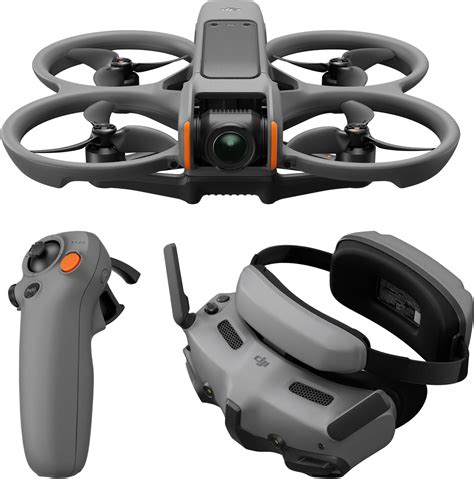
Many users have turned to the DJI Replacement Program to acquire a drone body without the accessories. This service is intended for damaged units, but due to DJI’s current logistics, users can place an order for the Avata 2 aircraft-only unit through this channel. Though unofficial, it has proven to be a reliable way to obtain a working drone body.
Community-Verified Compatibility with Older Gear
What has made the standalone route viable for some is firmware-based compatibility between the Avata 2 and previous-generation gear. A significant firmware update released in mid-2024 added support that allows:
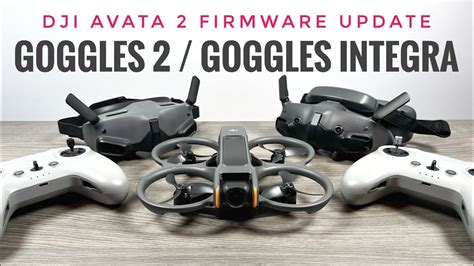
- DJI Goggles 2 and Integra (used with Avata 1)
- DJI FPV Remote Controller 2
to pair with the Avata 2 drone, making it theoretically possible to fly using older equipment. This update corrected earlier limitations that locked out older gear from the Avata 2 ecosystem.
This development was confirmed by several users on forums such as r/dji, who have reported successful flights using Avata 1 accessories. For instance, Reddit user garandfudd noted using Goggles 2 and Controller 2 seamlessly with a replacement Avata 2 unit, stating, “Works great.”
The Caveat of Software Locks and Pairing Limitations
Despite this promising compatibility, potential buyers must be aware of DJI’s device binding protocols, which can introduce complications. Some users feared that replacement drones might be firmware-locked to the original account or inaccessible without going through DJI’s authorization.
However, this concern has largely been put to rest. DJI does not bind replacement drones to previous accounts in a way that prevents reassignment. According to anecdotal evidence across multiple forums, users have had success binding these units to new controllers and goggles, without encountering software-based restrictions.
Still, one should expect to manually update firmware and possibly use DJI Assistant 2 or the Fly App to initiate fresh pairing. In some cases, the drone may boot up with error codes if no compatible controller is detected — a sign that pairing is required, but not blocked.
Buying from Secondary Channels: A Risk-Reward Decision
Due to the lack of official drone-only kits, many buyers turn to eBay, Amazon third-party sellers, or gray market resellers to purchase standalone Avata 2 units. While this approach can be effective, it comes with risk.
- eBay listings often feature sealed, unused replacement drones. User experiences vary, but some, like garandfudd, felt secure due to intact packaging.
- Amazon has intermittent availability through non-DJI sellers. While technically new, listings may vanish quickly and rarely offer guarantees.
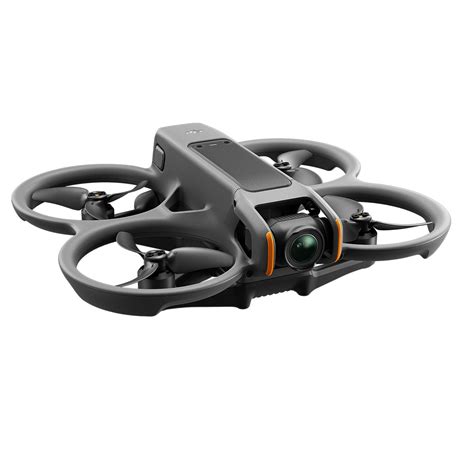
These units typically ship without battery or propellers, meaning buyers will need to purchase these essentials separately. A fully functional setup requires:
- DJI Avata 2 drone unit
- 1 or more Intelligent Flight Batteries
- Avata 2 compatible propellers
- Optionally, a charging hub for managing multiple batteries efficiently
Accessories Checklist for Going Standalone
If you’re purchasing an Avata 2 standalone, here’s what you’ll need to get airborne — assuming you already own compatible goggles and a controller:
- ✅ Avata 2 replacement drone (acquired through eBay, Amazon, or DJI Repair)
- ✅ DJI FPV Remote Controller 2 or Motion Controller 2/3
- ✅ DJI Goggles 2 or Goggles Integra (paired and updated)
- ✅ Avata 2 Intelligent Battery
- ✅ Avata 2 Propeller Set
- ? Optional: DJI Charging Hub
Compatibility between versions can be a minefield. Users upgrading from Avata 1’s original goggles and controller (the first FPV model) may find their hardware incompatible, unless firmware updates have explicitly added support.
Firmware First: Ensuring Device Interoperability
Once you’ve assembled your gear, the next step is ensuring that all firmware is current. DJI often links compatibility between generations to firmware rollout timelines. Goggles 2 and Integra must be updated using DJI Assistant 2 or the Fly App, then paired via the usual button-based process.
Without this critical step, pairing issues, unresponsive goggle feeds, or total lockout can occur. It’s recommended to:
- Use DJI Assistant 2 on a PC/Mac to upgrade all components
- Restart all devices after updates
- Use official DJI propellers and batteries to avoid firmware mismatches
DJI’s ecosystem prioritizes hardware recognition and firmware alignment. As such, using older or third-party parts without updates may cause unpredictable flight behavior or pairing failures.
DJI’s Strategy and Market Frustration
Why has DJI limited standalone availability for such a highly demanded drone? Part of the answer lies in supply chain control and ecosystem monetization. By selling bundled packages, DJI ensures that new users enter their proprietary accessory ecosystem. For returning customers, however, it creates a frustrating redundancy and unnecessary expenditure.
Additionally, controlling standalone unit sales through the replacement channel allows DJI to better track inventory, limit gray market circulation, and maintain premium price points. But this also drives many loyal customers toward unofficial distributors, eBay sellers, or even FPV communities offering used gear.
It’s a decision that favors corporate protection over customer flexibility — and one that may cost them repeat buyers.
Conclusion: Navigating the Standalone Path with Caution and Precision
Buying the DJI Avata 2 as a standalone unit is entirely possible — but only for those willing to piece together their flying system through non-traditional channels and precise technical preparation. Between firmware alignment, accessory compatibility, and unofficial sourcing, the process requires diligence.
For seasoned DJI users with compatible gear from the Avata 1 era, the effort may be worthwhile. The drone itself is a powerful evolution in FPV flight, and once airborne, it delivers stunning image quality and intuitive maneuverability. But for new users, the safer — albeit costlier — path remains purchasing an official bundle.
Until DJI reconsiders its strategy and offers drone-only kits via mainstream vendors, pilots looking to upgrade without duplication will have to embrace a DIY approach, backed by careful research and an understanding of the DJI compatibility matrix.