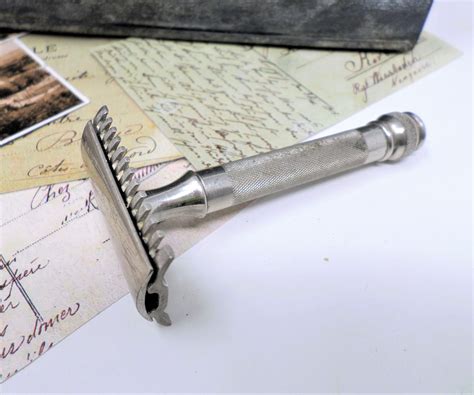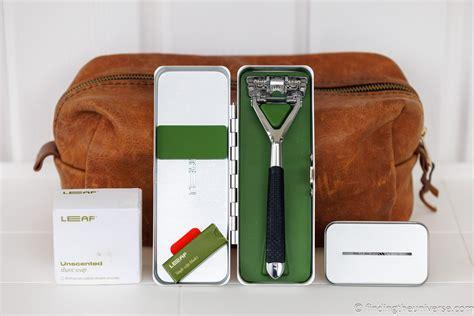
Navigating air travel with a safety razor can be unexpectedly complicated. While the tool itself represents a return to traditional grooming and superior shaving experiences, it poses unique challenges at airport security. In this comprehensive guide, we demystify the current aviation policies, risks, and best practices related to carrying safety razors, especially when flying internationally. Drawing insights from seasoned travelers and firsthand experiences in the r/wicked_edge community, this article arms you with all you need to know before boarding your next flight.
Understanding Airline and TSA Regulations for Safety Razors
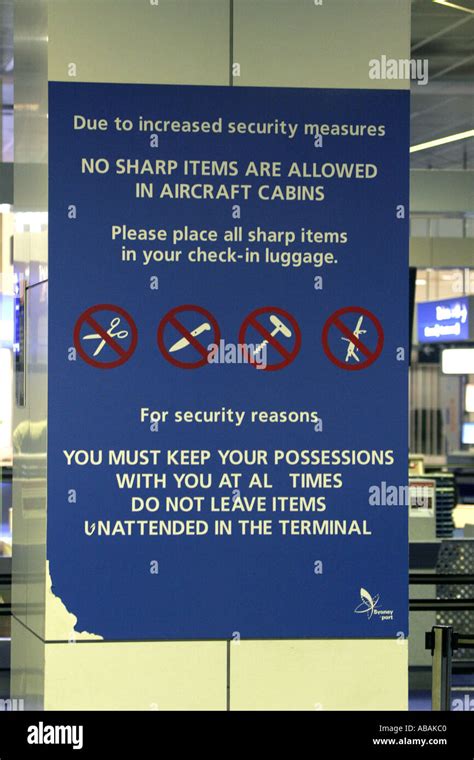
Modern airport security procedures, particularly in the United States and Europe, classify safety razors and blades under sharp items potentially capable of causing harm. The Transportation Security Administration (TSA) in the U.S. specifically prohibits razor blades in carry-on luggage unless they are enclosed in a cartridge, like those found in disposable or cartridge razors.
That means:
- Safety razor blades are strictly banned in carry-on luggage.
- The razor handle or body, if disassembled and bladeless, can be placed in your carry-on.
- Complete safety razors with blades inside may be confiscated, even if intended for grooming purposes only.
Internationally, rules vary, and what might be acceptable in Toronto could draw suspicion in Frankfurt or Riyadh. Always cross-reference with the aviation security guidelines of both your departure and arrival countries.
How to Pack a Safety Razor for Air Travel
For most travelers, the best approach is a hybrid packing strategy. Experienced fliers often disassemble their safety razor and stow the parts in their carry-on toiletry kit, while securely packaging the blades in checked luggage.
When packing:
- Use a razor case or wrap the head in a cloth to protect your belongings.
- Blades should be placed in their original packaging and clearly visible in your checked baggage.
- Avoid concealing the blades. Attempting to hide them increases the likelihood of delays or confiscation during inspections.
Travelers such as Reddit user Humble-Painter7133 emphasize that a disassembled razor doesn’t need to be removed during security checks. TSA officers typically inspect the bag only if they are uncertain about the presence of blades.
Why Carry-On Safety Razor Blades Are Prohibited
The decision to prohibit razor blades in carry-ons is primarily rooted in aviation safety protocols. Unlike cartridge razors, which encase the blade and require a mechanism to expose it, double edge (DE) blades are sharp, exposed, and easily removed. These qualities classify them alongside items like box cutters and small knives.
Though many may argue that hijacking a plane with a DE razor is improbable, security authorities take no risks. A single oversight can compromise hundreds of lives, hence the rigid enforcement of this rule.
What Happens if You Pack Blades in Your Carry-On?
Expect to be flagged at security. The X-ray operator may not distinguish between an empty and loaded safety razor, prompting a bag check. Reddit users report varying experiences:
- Some officers confiscated the entire razor, especially if the user hesitated or was unaware of the rules.
- Others allowed travelers to return to the check-in counter to store the blades or dispose of them properly.
- In a few cases, unopened blade packs were discarded by TSA agents despite being packed innocently.
These inconsistencies, while frustrating, underscore the importance of planning ahead and avoiding unnecessary scrutiny.
Flying Internationally with a Safety Razor
When flying outside the U.S., travelers should be even more cautious. Middle Eastern airports, for example, often have more rigorous screening processes. As Reddit user sbh1980 shared, despite flying through multiple countries including the UK, Dubai, and Saudi Arabia, he eventually chose to dispose of his remaining blade pack before re-entering security, fearing delays and confrontation.
To travel internationally with a safety razor:
- Research local laws on blade possession.
- In countries with restrictive laws, even checked blades may be questioned.
- Purchase blades at your destination if you’re uncertain about customs restrictions.
Alternatives to Traveling with a Safety Razor
Several seasoned travelers simply choose to leave their safety razors at home, opting for disposables or electric shavers instead. These alternatives save time at security and reduce the risk of losing expensive grooming gear.
Here are commonly recommended alternatives:
- Cartridge Razors: TSA-friendly and generally allowed in carry-on.
- Disposable Razors: Cost-effective, fully allowed on board.
- Electric Trimmers: Rechargeable, safe, and hassle-free.
- Shave at Home or Destination: Many travelers shave just before departure and then buy cheap razors upon arrival.
Best Practices from Experienced Travelers
The r/wicked_edge community is filled with anecdotes that reinforce a few key principles:
- Disassemble your razor completely before placing it in carry-on.
- Do not bring blades in your carry-on under any circumstances.
- Use checked luggage for any and all blades.
- Keep a cheap or travel-dedicated razor to avoid losing prized gear.
- If in doubt, leave it out. Confiscation, fines, or delays are not worth the risk.
Some users recommend storing the razor head in a clear pouch with other toiletries, making it more transparent to TSA agents that it’s a grooming tool and not a weapon. Placing the disassembled razor in a visible plastic quart bag can speed up the process if your bag gets flagged.
Should You Even Travel with a Safety Razor?
For short-term travel or professional obligations where daily shaving is a must, bringing a safety razor makes sense. But for weekend trips or vacations, it’s often more practical to bring alternatives. As swabbie81 noted, unless you’re shaving daily for professional reasons, the hassle may outweigh the benefits.
On the other hand, if you are particular about your grooming routine and have sensitive skin or a strong preference for the shaving experience a safety razor provides, proper packing and awareness of rules can make the process manageable.
The TSA’s Ever-Evolving Policy and Exceptions
According to AlabamaHaole, TSA policies aren’t static. Sharpologist, a respected grooming website, reported recent policy adjustments, including the confiscation of bladeless safety razors, suggesting that screening officer discretion is rising.
As a result, even if you’ve successfully flown with a bladeless razor in the past, your experience may not repeat. Policy shifts often stem from internal audits, international incidents, or pressure from pilot and flight attendant unions, all of whom push for a zero-tolerance policy on potential weapons.
Checklist: Traveling with a Safety Razor the Smart Way
- ✅ Disassemble your razor and place it in a transparent travel case.
- ✅ Pack blades in original packaging in your checked luggage only.
- ✅ Review the entry laws of your destination country.
- ✅ Avoid placing blades in carry-on under any circumstance.
- ✅ Have a backup disposable razor in case your DE razor is confiscated.
- ✅ Consider buying blades locally if you’re unsure about blade legality.
- ✅ Use a cheap or travel-specific safety razor to avoid potential loss.
Final Thoughts
Flying with a safety razor is possible, but it requires careful preparation and a keen understanding of current aviation and customs policies. The experience shared by the shaving community on platforms like r/wicked_edge reveals a common thread: if you must travel with your DE razor, make it blade-free in your carry-on and blade-ready in your checked baggage.
Security measures may seem excessive to some, but they are designed with everyone’s safety in mind. By traveling smart and complying with the guidelines, you can continue to enjoy the clean, close shave of a safety razor—no matter where your travels take you.