Air travel regulations can often be ambiguous, especially when it comes to personal grooming items like razors. Travelers frequently question whether razors are permitted in carry-on luggage, and if so, which types pass through security checkpoints without issue. Understanding the Transportation Security Administration (TSA) rules not only ensures a smoother journey but also helps avoid delays, confiscations, or unnecessary repacking.
The TSA distinguishes between different types of razors based on blade exposure and removability, and this nuance is key. While disposable razors and electric shavers are generally allowed in your carry-on bag, straight razors and safety razors with blades are not. These distinctions stem from the TSA’s emphasis on minimizing sharp, potentially weaponized items in aircraft cabins.
Understanding Which Razors Are TSA-Approved
The most critical factor the TSA evaluates when determining whether a razor can be brought in your carry-on bag is whether the blade is removable and exposed. If the blade can be easily detached and used independently, the razor typically must go in checked baggage.
Disposable Razors and Cartridge-Based Razors
Disposable razors, such as those sold by brands like BIC or Gillette Sensor, are fully TSA-compliant. These units come with blades fixed into a plastic handle, meaning they cannot be detached or used separately without breaking the device. As such, they are allowed in both carry-on and checked luggage.
Similarly, refillable cartridge razors—like those in the Gillette Mach3 or Schick Hydro series—are permitted in cabin baggage. The razor handle can be carried onboard with the blade cartridges installed or stored separately. Spare cartridges are also allowed.
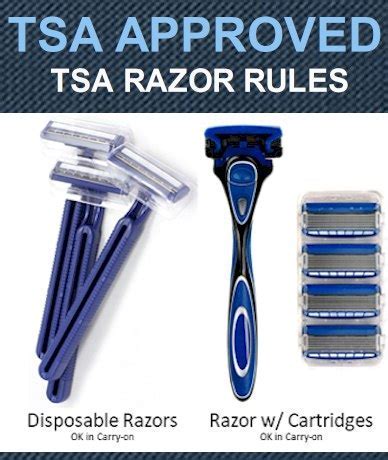
These razors pose minimal security risk because the razor blades are encased in plastic housings, which makes them difficult to weaponize. From a security standpoint, this design qualifies them for carry-on clearance under TSA screening protocols.
Electric and Battery-Powered Razors
Electric razors, whether corded or cordless, enjoy wide acceptance by TSA and international airport security. Their internal mechanisms do not involve exposed blades and therefore present no threat to cabin safety. Travelers may pack them in carry-on or checked baggage with confidence.
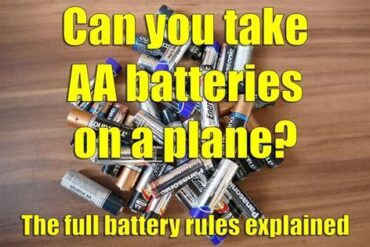
Battery-powered razors, including models powered by AA or AAA batteries or integrated rechargeable lithium-ion batteries, are also permitted in carry-ons. However, lithium battery regulations must be followed:
- Lithium-ion batteries under 100 watt-hours are generally safe for cabin storage.
- Devices with removable lithium batteries should have the batteries stored in the carry-on.
- Spare batteries, especially those with high energy density, must be declared and sometimes require airline approval.
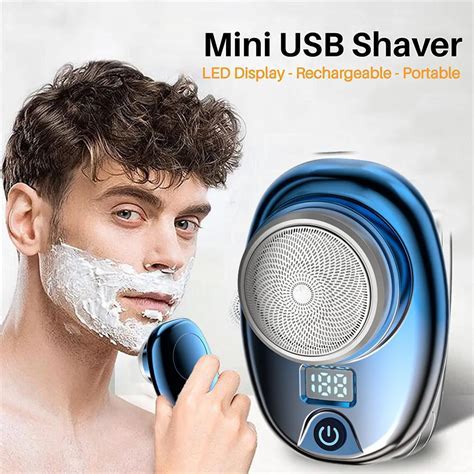
For frequent flyers, electric razors are a hassle-free solution, especially for overnight trips where grooming remains essential.
Razors That Are Prohibited in Carry-On Luggage
The TSA enforces a strict prohibition on straight razors and safety razors with exposed blades in cabin baggage. This category of razors includes:
Straight Razors
Straight-edge razors, the traditional barbershop tool, are expressly banned from carry-ons. The open, exposed blade presents an obvious risk under TSA definitions of sharp objects. If you travel with a straight razor, it must be:
- Placed in checked baggage.
- Stored in a protective case or wrapped securely to prevent injury to baggage handlers.
Even if the razor is vintage or part of a grooming set, the same rule applies. Failure to store it properly may result in confiscation or delay at the checkpoint.
Safety Razors with Blades
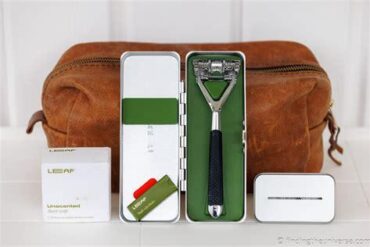
Modern double-edge safety razors, such as those popular with wet shaving enthusiasts, are allowed in carry-on bags only if the blades are removed. The razor handle can travel onboard, but blades must be placed in checked luggage.
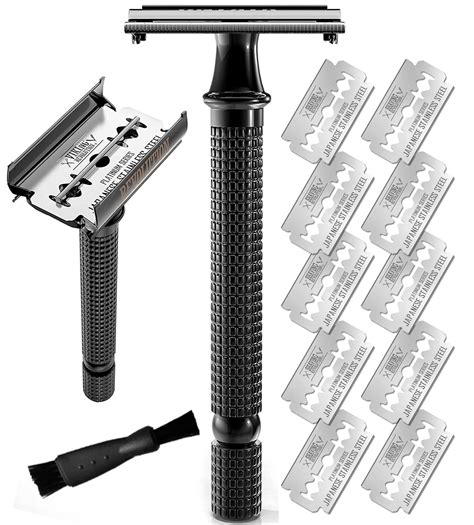
To streamline your journey, always store blades in a secure, protective box and avoid leaving them loose in luggage. The removal of blades before boarding is a non-negotiable requirement.
International Flight Considerations
While TSA rules apply within the United States, most international airports follow similar protocols regarding razors. Regulatory bodies like the European Union Aviation Safety Agency (EASA) and Transport Canada largely align with TSA standards:
- Disposable and cartridge razors are typically accepted in carry-on luggage.
- Safety and straight razors with exposed blades are restricted to checked baggage.
However, it is imperative to check with your specific airline and destination country before travel. Some nations or carriers may impose stricter guidelines, especially on high-risk international routes.

An oversight in compliance can lead to confiscation or, worse, security delays that jeopardize boarding times. A quick review of airline and customs websites can prevent surprises at international checkpoints.
Shaving Cream and Related Toiletries
While razors fall under solid object regulations, shaving creams and gels are considered liquids and thus fall under the TSA’s 3-1-1 rule:
- Each container must be 3.4 ounces (100 ml) or less.
- All containers must fit within a single quart-sized, resealable plastic bag.
- Only one bag per passenger is allowed in carry-on luggage.
This rule applies equally to aerosol shaving foam, non-pressurized gels, and aftershaves. Larger quantities must be placed in checked baggage.
To maximize packing efficiency, travelers may opt for solid shaving soaps, which are not regulated as liquids. Alternatively, travel-size shaving cream cans can be purchased at most drugstores or airport kiosks.
Best Practices for Packing Razors for Air Travel
Preparation is essential for passing TSA checkpoints smoothly. Based on regulatory guidance and firsthand travel experience, we recommend the following tips:
- Research TSA and destination rules before your flight. Rules can shift due to evolving security threats or international regulations.
- Use protective cases for razors—especially those with detachable or sharp edges. This not only ensures safety but demonstrates compliance during inspections.
- Remove blades from safety razors and pack them securely in checked luggage.
- Organize shaving creams and gels within a TSA-compliant quart-size bag for ease of access.
- Keep your toiletry kit accessible so it can be quickly removed and screened.
- Favor disposable or electric razors for short trips to avoid potential delays.
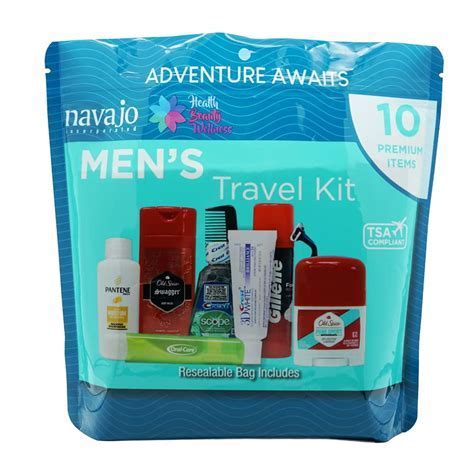
Business travelers, in particular, benefit from assembling a dedicated TSA-compliant grooming kit that remains pre-packed for short-notice trips.
Conclusion: Razor Rules That Keep You Moving
Understanding and respecting TSA regulations for razors is crucial to avoid travel disruptions. By distinguishing between approved razor types and those restricted to checked baggage, passengers can plan more effectively and avoid unnecessary confrontations with security personnel.
Disposable and cartridge razors, as well as electric models, are fully permitted in carry-on luggage and remain the most convenient options for air travel. Straight razors and safety razors with blades, by contrast, are confined to checked baggage due to their exposed or easily accessible sharp components.
Finally, shaving creams and gels remain subject to the 3-1-1 liquid rule, reinforcing the importance of deliberate packing. Whether you’re traveling for business, leisure, or a long-haul international journey, adhering to these guidelines ensures your trip begins with confidence and ends without delay.