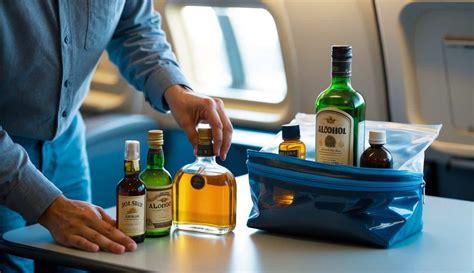
Air travel and alcohol have long been intertwined, from celebratory champagne in premium cabins to a quiet glass of wine that takes the edge off a long-haul journey. Yet not every airline shares this tradition. Across the global aviation landscape, a number of carriers operate as “dry airlines,” meaning they do not serve alcohol onboard at all. For travelers who expect a drink at 35,000 feet, this can come as a surprise—sometimes an unwelcome one.
Understanding which airlines are dry, whether you can bring your own alcohol (BYOB), and how policies change across routes is more than a curiosity—it can directly shape your in-flight experience. This guide breaks it all down with clarity and precision, helping you navigate one of aviation’s most overlooked details.
What Does It Mean for an Airline to Be “Dry”?
A dry airline is one that does not serve alcoholic beverages onboard its flights, regardless of cabin class. This policy is often rooted in cultural, religious, or regulatory considerations, particularly in regions where alcohol consumption is restricted or discouraged.
For some airlines, the decision reflects national identity. For others, it’s about maintaining consistency with local laws or social expectations. Unlike airlines that simply limit alcohol on shorter routes, dry airlines adopt a blanket ban across most or all operations.
Passengers accustomed to full-service carriers may find this surprising, especially when flying internationally in premium cabins where alcohol is typically part of the experience.
Major Airlines That Do Not Serve Alcohol
Several prominent carriers are known for their no-alcohol policies, spanning regions such as the Middle East, South Asia, and parts of North Africa. These airlines include:
- Air Arabia
- Biman Bangladesh Airlines
- EgyptAir
- Iran Air
- Iraqi Airways
- Jazeera Airways
- Kuwait Airways
- Mahan Air
- Pakistan International Airlines (PIA)
- Royal Brunei Airlines
- Saudia (Saudi Arabian Airlines)
- Turkmenistan Airlines
These airlines collectively serve millions of passengers annually, making dry travel far from a niche experience. Among them, Royal Brunei Airlines and Saudia are perhaps the most widely recognized examples, often surprising first-time passengers with their strict adherence to alcohol-free service.
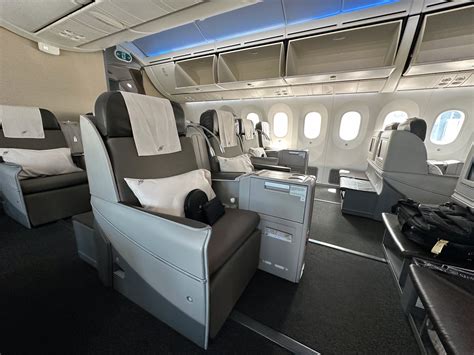
While the absence of alcohol may initially feel limiting, it’s worth noting that many of these carriers still provide high-quality hospitality, comfortable seating, and strong safety records. The lack of alcohol does not equate to a lack of service—it simply reflects a different cultural approach to flying.
Can You Bring Your Own Alcohol on a Dry Airline?
Here’s where things get interesting. Some dry airlines operate under a “BYOB with permission” model, allowing passengers to bring alcohol onboard and consume it under specific conditions.
The most notable airlines that permit this include:
- EgyptAir
- Kuwait Airways
- Royal Brunei Airlines
However, this is not a free-for-all. There are important nuances that travelers must understand.
First, crew approval is essential. Even if you bring your own alcohol, you cannot simply open and consume it at will. Cabin crew have the authority to deny consumption, especially if it could disrupt the cabin environment.
Second, route-specific restrictions often apply. For example, Royal Brunei Airlines allows alcohol consumption only on inbound flights to Brunei, as alcohol cannot be brought into the country. This means any remaining alcohol must be discarded before landing.
Third, duty-free purchases may be permitted for onboard consumption, particularly on airlines like EgyptAir. This creates a unique in-flight dynamic where passengers can legally drink—just not from the airline’s own service.
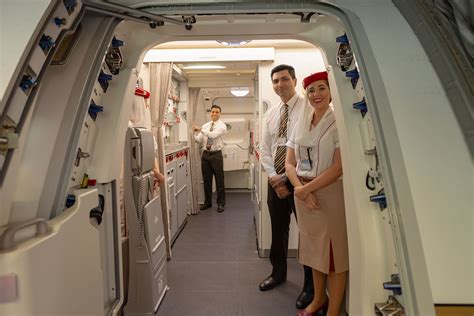
This hybrid approach offers flexibility but requires awareness. Travelers who assume they can drink freely may find themselves in an awkward situation if they skip the crucial step of asking permission.
Airlines That Are Dry Only on Certain Routes
Not all alcohol restrictions are airline-wide. In many cases, alcohol policies vary depending on the route, airspace, or flight duration. This creates a more complex landscape where the same airline may serve alcohol on one flight but not on another.
A key example involves flights to and from Saudi Arabia. Due to strict regulations, airlines are prohibited from serving alcohol within Saudi airspace. Rather than complicate service procedures, most airlines simply eliminate alcohol entirely on these routes.
Additionally, several airlines adopt dry policies on domestic or short-haul flights, even if they serve alcohol internationally. These include:
- Air India
- Oman Air
- Thai Airways
- Turkish Airlines
In these cases, the decision is often driven by cost efficiency rather than cultural restrictions. Alcohol service adds logistical complexity, and on shorter flights, airlines may not see enough value to justify it.
There are also nuanced exceptions. Malaysia Airlines, for instance, does not display alcohol on regional flights but may provide it discreetly upon request. Meanwhile, Aerolineas Argentinas limits alcohol service to long-haul international routes, skipping it on shorter regional sectors.
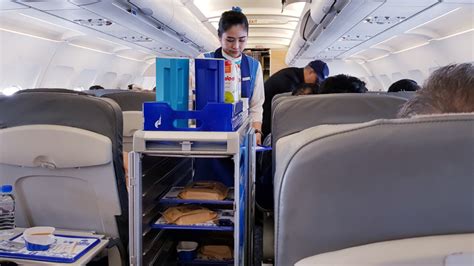
These variations highlight the importance of checking route-specific policies rather than relying solely on the airline’s overall reputation.
Does Flying on a Dry Airline Really Matter?
The impact of a dry airline largely depends on personal expectations. For some travelers, especially those who view alcohol as part of the journey, the absence can feel like a downgrade—particularly in premium cabins where drinks are often included in the fare.
For others, it’s a non-issue. A significant portion of the global population does not consume alcohol at all, making dry airlines entirely unremarkable.
There is also a practical angle to consider. Alcohol at altitude can accelerate dehydration and disrupt sleep quality, especially on long-haul flights. While a drink might help you fall asleep, it often leads to poorer rest overall. In that sense, flying dry may actually contribute to a more comfortable journey.
What tends to frustrate passengers more than the lack of alcohol itself is the limited quality of alternative beverages. Some dry airlines miss an opportunity by offering only basic soft drinks, rather than elevating the experience with premium teas, specialty coffees, or creative non-alcoholic cocktails.
How to Plan Around Dry Airline Policies
For travelers who value having a drink onboard, a bit of planning goes a long way. Start by checking whether your airline is dry and, if so, whether BYOB is permitted. If it is, purchase alcohol after security and confirm with the crew before consuming it.
It’s also wise to consider connecting flights and route variations. An airline that serves alcohol on one leg of your journey may not do so on another, especially if your itinerary includes destinations with stricter regulations.
If alcohol is a key part of your travel experience—say, on a honeymoon or special trip—it may be worth selecting an airline known for its premium beverage service. On the other hand, if comfort, price, or schedule matter more, a dry airline is unlikely to detract significantly from your journey.
The Bottom Line on Dry Airlines and BYOB Rules
The world of dry airlines is more nuanced than it first appears. While several major carriers maintain strict no-alcohol policies, others offer flexibility through bring-your-own alcohol options, albeit with clear limitations.
Route-specific restrictions add another layer of complexity, meaning the availability of alcohol can change depending on where—and how—you fly. Ultimately, whether this matters comes down to personal preference.
For some, it’s a dealbreaker. For others, it’s barely noticeable. Either way, understanding these policies ensures there are no surprises once you’re in your seat, cruising at altitude.