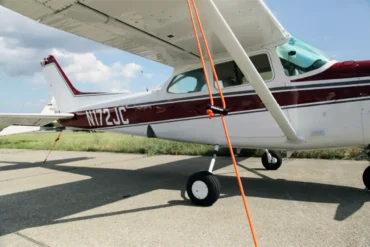
General aviation pilots understand that securing an aircraft properly is not just about preserving the machine, but ensuring safety for all on the airfield. A poorly tied knot can have devastating consequences in the event of sudden gusts or prolonged exposure to elements. Choosing the right knot is a matter of experience, technique, and, most importantly, understanding the purpose behind each method.
The Ground Side: Establishing a Reliable Anchor Point
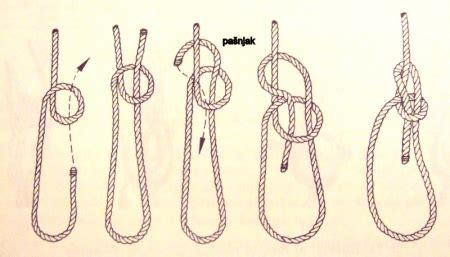
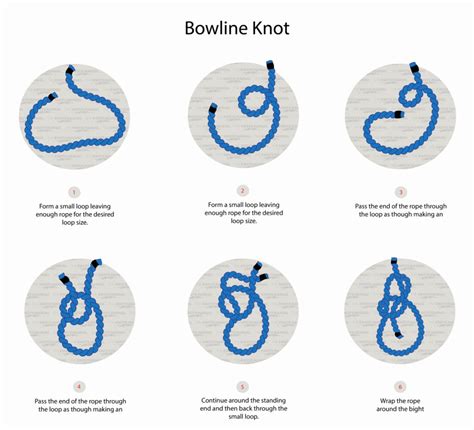
When it comes to the ground side of the tie-down, the bowline knot has earned wide acceptance. This knot forms a strong, secure loop that will not slip or jam, making it ideal for securing the rope to ground anchors. However, some caution must be applied. While the bowline is dependable under constant tension, it lacks the self-tightening characteristics some pilots desire for dynamic weather conditions.
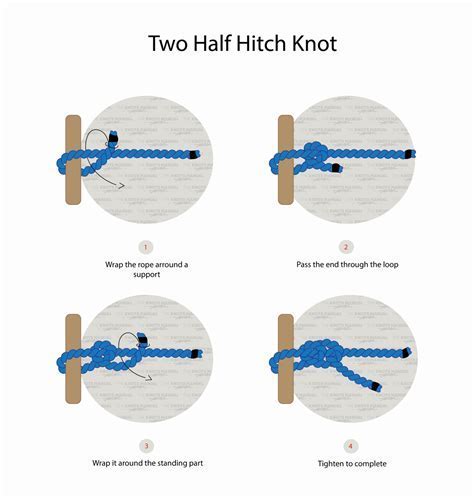
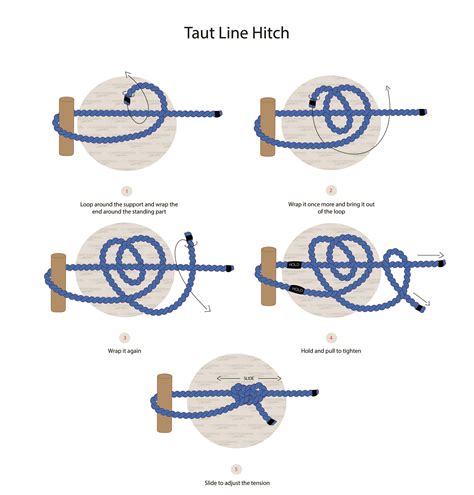
Alternatives include two half hitches followed by a third half hitch, a technique praised for its simplicity. Yet, a favorite among seasoned aviators is the taut-line hitch, admired for its adjustability and reliability. It allows pilots to fine-tune tension after initially tying down the aircraft, an advantage when dealing with expansion or contraction of ropes due to humidity or temperature shifts.
The Airplane Side: Prioritizing Security and Adjustability
On the airplane side, the consensus points heavily toward using the taut-line hitch. Community wisdom—from voices such as intern_steve and ps2sunvalley—unites around the taut-line hitch’s ability to maintain tension under varying load conditions. Unlike static knots, the taut-line hitch resists loosening, ensuring the aircraft remains securely tied even when buffeted by strong winds.
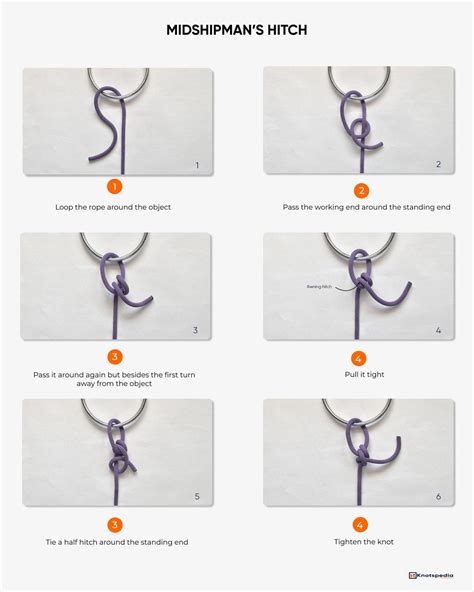
In situations where enhanced security is desired, a midshipman’s hitch provides a more secure, though less adjustable, alternative. The midshipman’s hitch is a close relative to the taut-line but features an extra wrap for greater holding power. It becomes particularly valuable in windy conditions where rope slippage would otherwise occur.
Handling Extra Tension: Truckers Hitch and Other Advanced Techniques
For those seeking superior tension, the trucker’s hitch is an outstanding solution. This knot acts as a mechanical advantage pulley, allowing the pilot to exert much greater tension than could be achieved manually. Heirloom_tomato69, a respected contributor, highlights the trucker’s hitch as essential during high-wind tie-downs, with wind speeds exceeding 35 knots.
Proper use of the trucker’s hitch requires careful practice to avoid overloading attachment points on the aircraft. Over-tightening can introduce structural stress. Visual guides such as the tutorial by Tyler14827 help pilots master this vital technique.
Modern Aids: Straps and Locks Beyond Traditional Ropes
While traditional knots dominate, modern tie-down practices often incorporate ratchet straps and cam lock straps. Quesoqueso advocates carrying lightweight ratchet straps as a contingency when ropes are unavailable. These devices provide quick, secure fastening but carry the inherent risk of over-tightening.
Hyperspeed1313 wisely cautions against the use of ratchet straps without experience, as overtightening can warp airframes or induce unseen stresses. For safer operation, time_adc recommends cam lock straps, which offer greater control over applied pressure without the mechanical force of a ratchet system.
Backup Hitches: Preparing for the Worst-Case Scenario
Pilots serious about security frequently employ backup hitches. For example, SDust15 advises doubling down with a second midshipman’s hitch lower on the rope, topped with a casual half hitch “for good luck.” This layered approach provides multiple points of security, ensuring that if one knot fails, another remains.
When fierce winds are forecasted, nothing surpasses the combination of trucker’s hitches supplemented by secondary knots for redundancy. Properly executed, this system protects even lightweight GA planes from being tossed around like toys.
Knot Philosophy: Matching the Knot to the Mission
Knot selection is not arbitrary; it is dictated by the physics of the load and the nature of the material. Jetfuelfire stresses the importance of understanding each knot’s intended purpose. For instance:
- Square knots: Best for joining two ropes of similar material and diameter, not for bearing loads.
- Clove hitches: Suitable for temporary securing but prone to slipping under load.
- Bowlines: Excellent for creating a fixed loop that holds steady.
- Cleat hitches: Perfect when a cleat is available but dependent on equipment design.
Reliance solely on a bowline knot without backups, proper tension, or suitable material is considered negligent by experienced pilots.
CFI Best Practices: Training with Precision
Flight instructors (CFIs) bring valuable frontline knowledge to knot training. DemintheAF’s routine involves using two half hitches to ground anchors, a taut-line hitch at the airplane side, followed by an additional half hitch for added stability.
TravisJungroth refines this with a system of bowline on the ground, midshipman’s hitch on the aircraft, and two-handed tightening—a technique that emphasizes consistent tension without overstressing any one component.
Such detailed, methodical instruction ensures that students and newly licensed pilots develop habits that enhance safety and professionalism throughout their careers.
DIY Equipment Enhancements: Saving Money Without Sacrificing Safety
Innovative pilots like intern_steve suggest creating homemade slide-down tie-downs using simple 2”x2” wood blocks and eye hooks. This do-it-yourself approach saves costs while offering customizability that commercial systems might lack.
Pilots investing time into customizing their tie-down systems often report better reliability and a greater understanding of their equipment’s strengths and weaknesses.
Memorizing Knots: Creative Learning Techniques
Some aviators find traditional rote memorization boring and ineffective. Fishman95’s creative “loop de loop” jingle demonstrates an alternative approach. Associating physical motions with rhythmic chants or jingles significantly increases retention, ensuring that under pressure—whether tying down before a storm or securing overnight at a remote airstrip—the right knot instinctively comes to mind.
Concluding Insights: Safety is in the Details
In the world of general aviation, where lightweight aircraft meet unpredictable forces of nature, tie-down practices transcend mere procedure—they are a commitment to stewardship and care. Selecting the right knot—be it a bowline, taut-line hitch, midshipman’s hitch, or trucker’s hitch—reflects a pilot’s dedication to precision and professionalism.
Ultimately, the most critical takeaway is not simply knowing a knot, but understanding its application, practicing its execution until it becomes second nature, and always inspecting the security before leaving the aircraft unattended. The nuances of rope material, tension, and redundancy must be respected.
Through thoughtful technique, a pilot ensures not only the safety of their own aircraft but contributes to a culture of safety and responsibility that uplifts the entire aviation community.