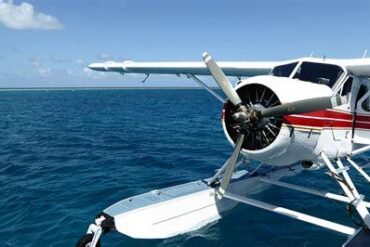
The allure of Alaska for aviators is legendary, a siren call to those who seek more than just a career in the cockpit. It’s an invitation to become part of a unique fraternity, navigating one of the world’s most breathtaking and challenging aviation environments. In a land where roads are scarce and the wilderness stretches for untamed miles, aircraft are not a luxury but a lifeline. This reality underpins a vibrant and diverse aviation industry, offering pilot jobs in Alaska that are as rewarding as they are demanding. From threading a de Havilland Beaver through narrow mountain passes to landing a Robinson R44 helicopter on a remote glacier for awe-struck tourists, flying in Alaska is an experience that hones skills, builds character, and provides an unparalleled sense of purpose. The state’s sheer scale, coupled with its dependence on air transport, creates a continuous need for skilled pilots who are ready to embrace the adventure and responsibility that comes with operating in the Last Frontier.
For many pilots, the decision to seek employment in Alaska stems from a desire to escape the routine of conventional flying. It’s a call to operate aircraft in their truest element, often far from controlled airspace and radar coverage, relying on skill, judgment, and an intimate understanding of the environment. The rewards are not just financial; they include the profound satisfaction of connecting isolated communities, supporting vital industries, enabling life-saving medical evacuations, and sharing the state’s majestic beauty with visitors from around the globe. The camaraderie among Alaskan aviators is also a significant draw, a tight-knit community forged by shared experiences and a mutual respect for the formidable forces of nature they regularly encounter. This environment fosters a level of airmanship and resourcefulness rarely found elsewhere, making an Alaskan piloting career a coveted entry on any aviator’s resume.
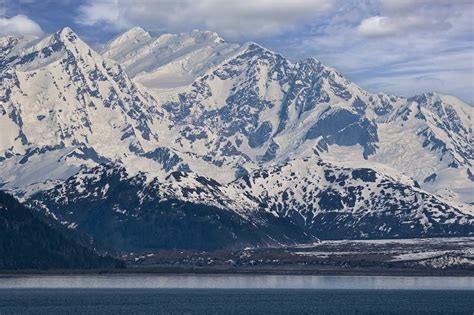
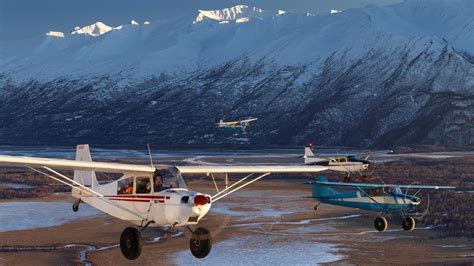
The Alaskan wilderness, while undeniably beautiful, presents a unique set of operational challenges. Rapidly changing weather patterns, extreme temperatures, mountainous terrain, and the vast distances between support facilities demand a high level of proficiency and preparedness. Pilots must become adept at interpreting subtle weather cues, making critical decisions with limited information, and often operating from unimproved landing areas, including gravel bars, beaches, and frozen lakes. This is where the legendary Alaskan bush pilot earns their reputation, mastering skills that go far beyond standard flight training. The experience gained here is invaluable, transforming proficient pilots into exceptionally capable aviators.
The Diverse Spectrum of Alaska Pilot Jobs
The demand for pilots in Alaska spans a wide array of operations, catering to various skill sets and career aspirations. One of the most visible sectors is air tourism, where pilots showcase Alaska’s stunning landscapes. Companies like Alaska Ultimate Safaris in Homer actively recruit Helicopter Robinson R44 tour pilots, offering daily rates that can range from approximately $200 to $700. These roles often involve breathtaking excursions for bear viewing, glacier landings, and volcano tours, requiring not only exceptional flying skills but also strong customer service abilities. Similarly, float plane pilots are in high demand, with operators like Alaska Ultimate Safaris also seeking pilots for these iconic Alaskan aircraft, with potential daily earnings reaching $500 to $1,000. These positions frequently require a significant number of flight hours, including specific time in type (e.g., 500 hours R44 PIC) and, crucially, previous Alaska flight experience—often at least 100 hours.
Beyond tourism, charter services and scheduled passenger/cargo operations form the backbone of Alaska’s transportation network. Companies like Grant Aviation, operating aircraft such as the Piper Navajo, connect numerous remote communities. A Navajo Pilot in Command position based in a location like Cold Bay involves transporting essential goods and people, often under challenging Instrument Flight Rules (IFR) or Visual Flight Rules (VFR) conditions. Wright Air Service in Fairbanks, while also employing Airframe and Powerplant (A&P) mechanics, represents the kind of operation that provides vital air services to the interior. These roles are critical, ensuring that mail, medicine, groceries, and residents can move between isolated villages and larger hubs.
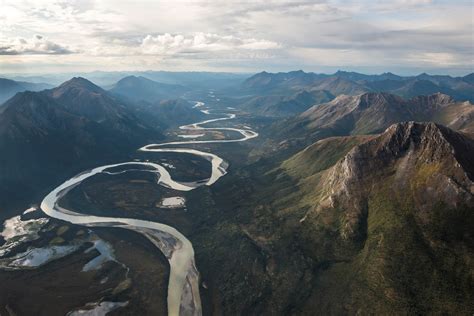
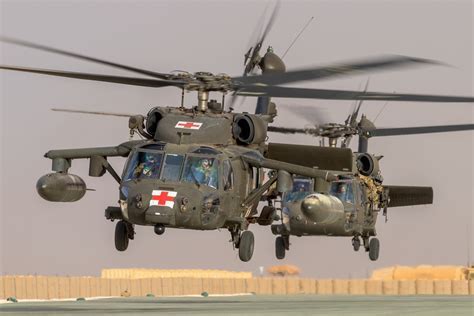
Emergency Medical Services (EMS) and Search and Rescue (SAR) operations represent another vital niche for highly skilled pilots. Guardian Flight, with bases in locations like Dillingham and Kenai, employs fixed-wing pilots and flight paramedics for air ambulance duties. These pilots operate in high-stakes environments, often in marginal weather, to provide life-saving transport. Annual salaries for fixed-wing EMS pilots with Guardian Flight can range from approximately $118,000 to over $130,000, reflecting the specialized skills and responsibilities involved. Flight paramedics working alongside these pilots can also earn substantial salaries, often upwards of $92,000, with benefits sometimes including paid housing.
Seasonal work is prevalent, particularly in tourism, with companies like Temsco Helicopters hiring seasonal tour pilots in popular destinations such as Ketchikan and Skagway for glacier guiding support. However, many other roles, especially in cargo, scheduled services, and EMS, are full-time, year-round positions. The job market also includes specialized roles supporting industries like fishing, mining, and oil and gas, although these may be less frequently advertised on general job boards. Even ground-based aviation support roles, such as Airside Experience Specialists with FBOs like Signature Aviation in Anchorage, contribute to the overall health of the Alaskan aviation ecosystem, ensuring smooth operations for the pilots and aircraft they serve.
Key Aviation Hubs and Regions in Alaska
While aviation activity is spread across the vast expanse of Alaska, certain hubs and regions are particularly significant for pilot employment. Anchorage, home to the Ted Stevens Anchorage International Airport (ANC), is the state’s largest city and a major international cargo hub. It serves as a base for numerous passenger airlines, cargo operators, flight schools, and FBOs like Signature Aviation. The proximity to stunning natural attractions like the Chugach Mountains also makes it a center for flightseeing operations. Fairbanks, in the interior, is another critical hub, particularly for access to Arctic and remote northern communities. Wright Air Service is one example of an operator based here. Its strategic location makes it vital for both passenger and freight services year-round.
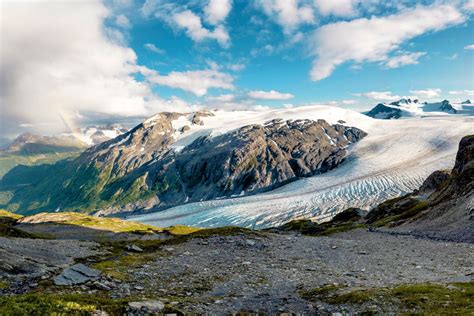
Coastal towns often serve as nexuses for specific types of aviation. Homer, on the Kenai Peninsula, is a well-known center for floatplane and helicopter tours, particularly for bear viewing in Katmai National Park and scenic flights over Kachemak Bay. Alaska Ultimate Safaris is a prominent employer here. Juneau, the state capital, is uniquely accessible primarily by air or sea, making aviation indispensable. It supports government-related travel, tourism, and services to surrounding Southeast Alaskan communities. Further out along the Aleutian chain, Dutch Harbor/Unalaska is a major fishing port, and while direct pilot jobs might be less advertised on mainstream platforms, aviation support for the fishing fleet and community is crucial. Even smaller, more remote locations like Dillingham (Bristol Bay region), Cold Bay (Alaska Peninsula), and Kenai are significant bases for regional air carriers and specialized services like Guardian Flight’s EMS operations. Tourism-focused towns like Skagway and Ketchikan in Southeast Alaska see a seasonal influx of pilots for helicopter and fixed-wing tours, often associated with the cruise ship industry, with companies like Temsco Helicopters having a strong presence.
Qualifications and Skills: Earning Your Wings in the Alaskan Skies
Aspiring Alaskan pilots must meet a rigorous set of qualifications that often go beyond standard FAA requirements. While foundational licenses such as a Commercial Pilot License (CPL) or Airline Transport Pilot (ATP) certificate are essential, employers in Alaska place a high premium on specific experience and endorsements. For helicopter pilots, particularly those flying popular tour aircraft like the Robinson R44, employers like Alaska Ultimate Safaris often require a valid commercial rotor-wing single-engine pilot’s license, a Radiotelephone Operator License, and specific flight time, such as 500 hours of R44 Pilot-in-Command (PIC) experience and a total time of around 1000 hours. An Instrument Rating is frequently listed as a plus, enhancing a pilot’s versatility and safety margin.
Perhaps the most sought-after qualification is “Alaska time” – documented flight experience within the state. Many operators require at least 100 hours of Alaska aviation experience, as this demonstrates familiarity with the unique weather patterns, mountainous terrain, and off-airport operational environment. This experience is hard-earned and highly valued. For floatplane operations, a seaplane rating is, of course, mandatory, along with experience in varied water conditions. Specialized endorsements, such as an SFAR 73 signoff for the R44 helicopter, are also common requirements.
Beyond licenses and flight hours, a specific skill set is paramount. Exceptional mountain flying skills are non-negotiable for most Alaskan pilot jobs. This includes understanding density altitude, navigating complex valley systems, recognizing localized weather phenomena like katabatic winds and turbulence, and making sound go/no-go decisions in rapidly changing conditions. Proficiency in weather interpretation, often relying on limited METARs/TAFs and pilot reports (PIREPs), is critical. Pilots must be adept at reading the sky and anticipating changes. For many bush pilot roles, off-airport landing and takeoff proficiency on surfaces like gravel bars, tundra, and glaciers is essential. Furthermore, strong decision-making abilities under pressure, excellent situational awareness, and robust risk management skills are vital for safe operations. Given the nature of many jobs, particularly in tourism and community service, strong customer service and communication skills are also highly valued. Employers look for pilots who are not only technically proficient but also personable, reliable, and able to represent the company professionally.
The Alaskan Pilot Lifestyle: Navigating Challenges and Reaping Rewards
The life of an Alaskan pilot is a unique blend of exhilarating adventure and formidable challenges. The primary challenge is undoubtedly the weather. Alaska’s climate is famously unpredictable and can ground aircraft for days, impacting schedules and income, especially for pilots paid by flight hour or day. Winter brings extreme cold, short daylight hours, and the dangers of icing and whiteout conditions. Summer, while offering more daylight, can feature widespread fog, rain, and intense wildfire smoke. Pilots must maintain constant vigilance and a conservative approach to weather-related decision-making.
Isolation can be another factor, particularly for pilots based in smaller, remote communities. While this appeals to some, others may find the limited amenities and social opportunities challenging. The work itself can be demanding, with some roles, as seen in job descriptions, involving 8-hour or 12-hour shifts, weekend work, and on-call availability. The logistical complexities of operating in remote areas, such as fuel availability and maintenance support, also add to the operational load. Safety is an ever-present concern, requiring unwavering adherence to procedures and a proactive safety culture.
Despite these challenges, the rewards are substantial and deeply fulfilling. The financial compensation can be competitive. For example, helicopter tour pilots might earn $200-$700 per day, float plane pilots $500-$1,000 per day, and experienced fixed-wing EMS pilots annual salaries well into six figures ($118,517 – $130,369 according to one Guardian Flight listing). Some employers offer attractive benefits packages, including health insurance, 401(k) plans (sometimes with matching), paid time off, and even paid housing or relocation assistance, as indicated by various job postings from companies like Wright Air Service and Guardian Flight. Alaska Ultimate Safaris mentions housing for the right person and flight benefits for a significant other within company operations.
Beyond tangible benefits, the intangible rewards are immense. The sheer joy of flying over some of the world’s most spectacular and unspoiled landscapes is a daily privilege. There’s a profound sense of accomplishment in successfully navigating challenging conditions and providing essential services to remote communities. The camaraderie among Alaskan pilots is legendary – a supportive network of professionals who understand the unique demands of their shared profession. For many, an Alaskan flying career is not just a job, but a passion and a way of life that offers unparalleled personal and professional growth.

Navigating the Alaskan Aviation Job Market: Trends and Opportunities
The job market for pilots in Alaska is dynamic, influenced by seasonal tourism, resource development, and the ongoing need for community air services. There is a consistent demand for qualified pilots, especially those with the coveted “Alaska time” and specific type ratings. Seasonal peaks in hiring occur leading up to the summer tourism season (roughly May to September), particularly for tour pilots, floatplane operators, and support services in popular visitor destinations. However, year-round opportunities abound in cargo transport, scheduled passenger services, EMS, and corporate flying.
Key employers actively seeking pilots include established names like Grant Aviation, Guardian Flight, Temsco Helicopters, Ravn Alaska, Alaska Airlines, and numerous smaller charter operators and flightseeing companies like Alaska Ultimate Safaris. Job boards like Indeed.com are valuable resources, listing a variety of positions from entry-level (though “entry-level” in Alaska often implies higher-than-average minimums elsewhere) to highly experienced captain roles. Networking within the Alaskan aviation community is also incredibly effective. Attending aviation events in Alaska, connecting with pilots and operators online, or even visiting flight schools and FBOs can open doors.
Employers typically look for a demonstrated commitment to safety, a professional attitude, and the ability to operate independently and think critically. The ability to relocate, often to smaller communities, is a common expectation, as seen in job postings that specify “Relocate before starting work” for locations like Homer. For pilots looking to break into the Alaskan market, gaining initial experience might involve roles like flight instructing in Alaska to build local time, or co-pilot positions on larger aircraft. Some companies may offer pathways for advancement, allowing pilots to build experience and transition into more demanding roles over time.
Preparing for Your Alaskan Aviation Adventure
Embarking on a pilot career in Alaska requires diligent preparation. Aspiring pilots should focus on acquiring the foundational licenses and ratings: a Commercial Pilot License is the minimum, with an Instrument Rating being highly advantageous, if not essential for many IFR operations. If targeting specific sectors, pursue relevant endorsements like a seaplane rating or experience in tailwheel aircraft, which are common in bush flying. Accumulating flight hours is crucial, but quality of experience matters as much as quantity. Seek out opportunities for mountain flying, operations in varied weather conditions, and off-airport work if possible, even if outside Alaska initially, to build relevant skills.
Research potential employers and the types of operations they conduct. Tailor your resume to highlight any Alaska-specific experience or skills that align with the demanding environment. If you have the opportunity, consider taking an Alaska flying familiarization course or seeking mentorship from experienced Alaskan pilots. Networking cannot be overstated; connect with the community and learn about unadvertised openings or the specific needs of different operators. Be prepared for a rigorous interview process that will likely assess not only your technical skills but also your judgment, decision-making abilities, and suitability for the Alaskan lifestyle. Finally, ensure your personal affairs are in order for a potential relocation, as many positions require living in relatively remote areas. The journey to becoming an Alaskan pilot is challenging, but for those with the right skills, attitude, and passion for adventure, the Last Frontier offers a flying career unlike any other, filled with breathtaking vistas, unique challenges, and the profound satisfaction of being an essential part of Alaska’s untamed spirit.