
The allure of exploring vibrant cultures, breathtaking landscapes, and bustling cities across Asia and beyond is a powerful draw for many residing in Japan. Whether you’re based in Osaka, Tokyo, or elsewhere, the question of how to embark on these international journeys without decimating your travel budget is paramount. While the dream of a single, universally cheap go-to airline is appealing, the reality of securing the best deals from Japan to international destinations, particularly to nearby hotspots like Vietnam, South Korea, and other Southeast Asian (SEA) countries, lies in a strategic approach. It’s about understanding the tools at your disposal, recognizing the nuances of different airline types, and employing smart booking tactics. This comprehensive guide will equip you with the knowledge to navigate the skies affordably, transforming your travel aspirations into tangible, budget-friendly experiences.
The modern traveler’s first port of call in the quest for economical airfare should invariably be sophisticated flight comparison engines. These powerful platforms aggregate data from hundreds of airlines and online travel agencies, presenting a spectrum of options that would be impossible to uncover manually. Among the frontrunners, Google Flights stands out for its user-friendly interface and robust features. It allows you to not only search for specific dates and destinations but also to explore possibilities with flexible date grids, price graphs showing historical trends, and an ‘Explore’ map feature that can reveal surprisingly cheap destinations if your travel plans are open. Crucially, Google Flights often allows you to set up price alerts, notifying you via email if the fare for a tracked route changes, enabling you to pounce when prices dip. This proactive approach can lead to significant savings, especially if your travel dates are several months away, allowing the algorithm to monitor fluctuations on your behalf.
Equally indispensable in the savvy traveler’s toolkit is Skyscanner. This platform excels in its flexibility, offering search options like “Whole Month” or even “Cheapest Month” if your travel schedule is highly adaptable. This feature is invaluable for identifying off-peak periods when airlines slash prices to fill seats. Skyscanner also aggregates a vast array of carriers, including many low-cost carriers (LCCs) that might not always appear on more traditional search platforms. Like Google Flights, it provides price alert functionality. While these aggregators are phenomenal for finding the best deals, a golden rule emerges from seasoned travelers: once you’ve identified your preferred flight and price, navigate directly to the airline’s official website to make the booking. Booking directly can simplify things immensely if issues arise, such as flight delays, cancellations, or the need to make changes. Dealing with airline customer service directly is almost always preferable to navigating the often convoluted and less responsive support channels of third-party booking portals, where service recovery can become a frustrating ordeal.
Navigating the Landscape of Low-Cost Carriers (LCCs) from Japan
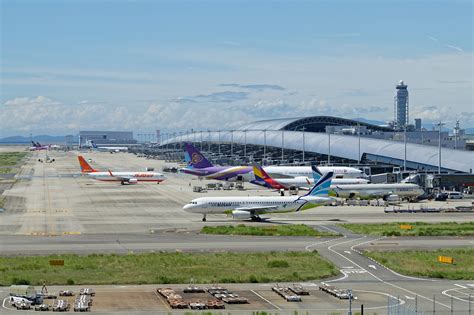
For many budget-conscious travelers departing from Japan, Low-Cost Carriers (LCCs) are the first category that springs to mind, and for good reason. These airlines have revolutionized air travel by offering significantly lower base fares compared to traditional full-service carriers. Their business model hinges on a no-frills approach: you pay for the seat, and everything else, from checked baggage and seat selection to onboard meals and beverages, typically incurs an additional fee. Japan, and particularly Osaka’s Kansai International Airport (KIX), serves as a significant hub for numerous LCCs connecting to various points in Asia.
Among the prominent LCCs operating routes from Japan to Southeast Asia and other regional destinations, several names consistently appear. Peach Aviation, a Japanese LCC, has a strong presence, particularly for domestic flights and short-haul international routes to destinations like South Korea, Taiwan, and parts of Southeast Asia. Being a Japanese carrier, it sometimes offers a slightly more predictable experience compared to some international LCCs, though its baggage policies remain strictly LCC-standard. Jetstar Japan, part of the Qantas-owned Jetstar Group, and Jetstar Asia also offer an extensive network connecting Japan to Australia and various Asian cities. Their pricing can be very competitive, making them a popular choice for budget travelers.
AirAsia, including its long-haul arm AirAsia X, is renowned for its vast network across Southeast Asia and beyond. It frequently runs aggressive promotional campaigns offering incredibly low fares, especially if you can book well in advance or snag a deal during a sale. However, AirAsia’s operational reliability can sometimes be a concern, with delays not being uncommon. Scoot, the LCC subsidiary of Singapore Airlines, often services routes to Singapore and onward connections. It sometimes offers slightly more spacious seating options (for a fee, of course, with ‘ScootPlus’) on its Boeing 787 Dreamliner fleet, which can be a consideration for slightly longer LCC flights. For travelers heading to the Philippines, Cebu Pacific is a major player, offering direct flights from several Japanese cities. While their fares can be exceptionally low, they have a reputation for frequent delays, so flexibility is key. Similarly, Vietjet Air provides very competitive direct flights from Japan to major Vietnamese cities like Hanoi and Ho Chi Minh City, making Vietnam highly accessible. Their onboard experience is typical of LCCs, with a focus on cost-saving.
The Indispensable LCC Caveat: Understanding the True Cost
While the headline fares offered by LCCs are undeniably attractive, it’s crucial to approach them with a clear understanding of the “you get what you pay for” principle. The initial low price can quickly escalate if you’re not mindful of the various ancillary charges. Baggage fees are the most common addition; LCCs typically offer a very restrictive free carry-on allowance (often just 7kg) and charge substantial fees for checked baggage, with prices increasing with weight and if paid at the airport rather than pre-booked online. Always meticulously check the baggage allowance and fees for your specific LCC and fare type before booking.
Beyond baggage, expect charges for almost everything else. Want to choose your seat, even an aisle or window? That’s an extra fee. Need a meal or even a bottle of water on a multi-hour flight? Prepare to pay premium prices. Some LCCs even charge for printing your boarding pass at the airport if you haven’t checked in online. Summing up all these potential extras is vital to compare the true cost of an LCC flight against a full-service carrier, which might include baggage and meals in its base fare.
Furthermore, flight delays and cancellations can be more prevalent with LCCs. Their tight turnaround schedules and often smaller fleets mean that a delay in one part of their network can have a cascading effect. In a disruption, the level of support and compensation offered by LCCs is generally far less comprehensive than what you might expect from a full-service airline. Re-booking on a later flight might be offered, but refunds or assistance with accommodation and meals during extended delays are rare. It’s wise to have travel insurance, especially when flying LCCs, and to manage your expectations regarding on-time performance and customer service responsiveness. Some LCCs also operate from secondary airports or less convenient terminals, which might add to your travel time and local transportation costs. Always verify the arrival and departure airports carefully.
To make your LCC experience smoother, travel light to avoid or minimize baggage fees. Read all the terms and conditions meticulously before booking, especially regarding baggage, check-in procedures, and policies for changes or cancellations. Build some buffer time into your travel plans, particularly if you have onward connections, and always have a contingency plan in case of significant delays.
When Full-Service Carriers Can Be Surprisingly Affordable
It’s a common misconception that full-service carriers (FSCs) are always prohibitively expensive. While their standard fares are generally higher than LCCs, there are specific scenarios where they can offer excellent value, sometimes even rivaling the total cost of an LCC once all extras are factored in. National carriers like Japan Airlines (JAL) and All Nippon Airways (ANA), while premium, occasionally run sales or offer promotional fares that can be surprisingly competitive, especially for certain international routes. Their service quality, baggage allowance (usually including at least one checked bag), and onboard comfort are significantly higher.
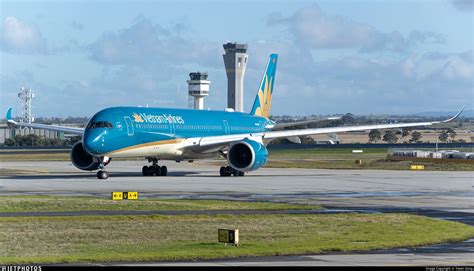
For travel to Southeast Asia, airlines like Vietnam Airlines can be a fantastic option. As mentioned in user experiences, during off-peak seasons, round-trip tickets to Vietnam on their national carrier can be very reasonably priced, sometimes in the JPY 60,000-70,000 range for direct flights from Japan. This often includes a generous baggage allowance and inflight meals, making the overall value proposition strong. Similarly, carriers like Thai Airways, Singapore Airlines (though generally more premium), Korean Air, and Asiana Airlines (for travel to South Korea and connecting flights) can have competitive fares if you book at the right time or catch a promotion. The key is to always compare. When using flight search engines, don’t filter out FSCs assuming they’ll be too expensive. You might be pleasantly surprised, especially when considering the inclusive benefits that can negate the need for many of the ancillary fees charged by LCCs.
Strategic Booking Tactics for Unlocking Maximum Savings from Japan
Beyond choosing the right airline or search tool, employing smart booking strategies can dramatically impact the final price you pay for your international flights from Japan. Flexibility is arguably the most powerful tool in your arsenal. If your travel dates are not set in stone, even shifting your departure or return by a day or two can lead to substantial savings. Flying mid-week, particularly on Tuesdays and Wednesdays, often yields cheaper fares than traveling on weekends or Mondays and Fridays. Similarly, being flexible with your departure or arrival times – considering red-eye flights, for example – can unlock lower prices.
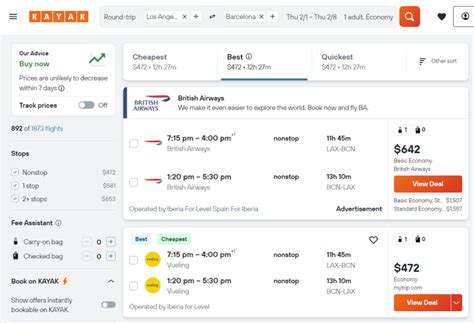
Booking in advance is generally advisable, but there’s a ‘sweet spot.’ For international flights, booking too far out (e.g., a year in advance) might not get you the best deal, as airlines haven’t finalized all their pricing. Conversely, waiting until the last minute is usually a recipe for exorbitant prices, especially on popular routes. For most international travel from Japan, aiming to book around 2 to 4 months in advance is often a good guideline, though this can vary. Crucially, be acutely aware of peak Japanese travel seasons. Golden Week (late April/early May), Obon (mid-August), and the New Year period see a massive surge in demand and, consequently, sky-high prices. If your schedule allows, traveling during the shoulder seasons just before or after these peaks, or during the off-peak periods, will invariably result in the most significant savings. For instance, traveling to Vietnam during the Lunar New Year (Tet) can see prices double or even triple compared to non-holiday periods.
Don’t underestimate the power of price alerts offered by Google Flights and Skyscanner. Setting these up for your desired routes allows you to monitor fare fluctuations passively and book when a notable drop occurs. Some travelers also swear by clearing their browser cookies or using incognito mode when searching for flights, theorizing that airlines and booking sites might increase prices based on repeated searches. While the evidence for this is debated, it’s a simple step that costs nothing to try. For more complex itineraries, consider looking into one-way tickets on different airlines or even constructing your own connections (self-connecting). This can sometimes be cheaper, but it comes with risks: if your first flight is delayed and you miss your separately booked connecting flight, the second airline has no obligation to re-accommodate you. This strategy is best for seasoned travelers who understand the risks and have ample time between flights.
Flying from Osaka (Kansai International Airport – KIX)
For those based in Osaka, Kansai International Airport (KIX) is a major gateway for international travel, particularly well-served by a multitude of LCCs. This gives Osaka-based travelers a distinct advantage when hunting for cheap flights to Southeast Asia and other parts of Asia. Airlines like Peach Aviation (which uses KIX as a primary hub), Jetstar Japan, AirAsia X, Scoot, Cebu Pacific, and Vietjet Air all have a significant presence at KIX, offering direct flights to numerous popular destinations. The strong competition among these LCCs at KIX often leads to more frequent promotional fares and generally lower base prices compared to airports with fewer LCC options. When searching for flights from Osaka, ensure you are specifically selecting KIX, as Osaka also has Itami Airport (ITM), which primarily handles domestic flights.
A Note on Specific Airline Mentions and Regional Considerations
Traveler feedback often includes specific airline preferences or warnings. For instance, past mentions of avoiding “Dragon Air” (which was Cathay Dragon, a regional full-service subsidiary of Cathay Pacific, now fully merged and not an LCC) and “any Chinese LCC” highlight that individual experiences and perceptions play a role. While it’s unfair to generalize broadly about all airlines from a particular country, it’s true that some LCCs, regardless of origin, may have more challenges with on-time performance, customer service, or communication, especially during disruptions. When considering any airline, especially an LCC you’re unfamiliar with, it’s always prudent to check recent reviews, examine their policies thoroughly, and perhaps prioritize carriers with a more established reputation if your travel plans are critical or inflexible. The key is to do your due diligence beyond just the price tag.
In conclusion, finding your go-to cheap flight from Japan isn’t about identifying one magical airline. It’s about mastering a strategic approach. Leverage the power of flight comparison engines like Google Flights and Skyscanner to survey the landscape. Understand the trade-offs inherent in flying with LCCs like Peach, Jetstar, AirAsia, Scoot, Cebu Pacific, and Vietjet Air, and always calculate the total cost, including all ancillary fees. Don’t dismiss full-service carriers, especially during off-peak times or sales, as they can offer surprising value. Employ smart booking tactics: be flexible with your dates and times, book within the optimal window, avoid peak seasons, and set price alerts. For those in Osaka, KIX offers a wealth of LCC options. By combining these strategies, you can significantly reduce your airfare costs, making those dream international trips from Japan far more accessible and allowing you to explore the wonders of Vietnam, South Korea, and the diverse countries of Southeast Asia and beyond without breaking the bank.