Embarking on a career journey with Air Canada signifies more than just employment; it’s an invitation to become an integral part of an iconic Canadian institution and a globally recognized leader in the aviation industry. For decades, Air Canada has not only connected Canada to the world but has also fostered a vibrant, diverse, and dynamic work environment for thousands of individuals. The allure of the airline industry, with its promise of adventure, global connectivity, and cutting-edge technology, makes Air Canada a highly sought-after employer. Whether your aspirations lie in soaring through the skies, ensuring the intricate mechanics of aircraft are flawless, delivering exceptional customer experiences, or shaping strategy in a corporate headquarters, Air Canada offers a breathtaking array of work opportunities designed to help your career take flight. This comprehensive guide will navigate the vast landscape of Air Canada jobs, explore the compelling reasons to join its esteemed team, and provide insights into the diverse roles that keep Canada’s flag carrier flying high.
The decision to pursue a career with Air Canada is underpinned by a robust employee value proposition that extends far beyond a competitive salary. As Canada’s largest airline, it offers a unique blend of stability, prestige, and innovation. Employees often speak of a profound sense of pride in contributing to a company that plays such a vital role in the nation’s economy and its connection to the global community. This intrinsic reward is complemented by a suite of tangible benefits designed to enrich the lives of its workforce. Perhaps the most celebrated of these is the generous employee travel program. After a qualifying period, typically around twenty-eight weeks of service, employees and their eligible dependents gain access to unparalleled travel privileges, opening up a world of exploration at significantly reduced costs. This perk is consistently highlighted as a major draw, fostering a culture of travel enthusiasts within the company and allowing staff to experience the product they so passionately support. Beyond the thrill of travel, Air Canada is deeply committed to the wellbeing of its employees, offering comprehensive health and dental benefit plans that provide peace of mind for individuals and their families. The company also invests heavily in its people through robust training and development programs, empowering employees to unlock their full potential, acquire new skills, and advance within the organization. This commitment to growth ensures that a job at Air Canada can evolve into a long and fulfilling career. Furthermore, Air Canada champions diversity and inclusion, striving to create a healthy, accessible, and rewarding work environment where the unique contributions of every employee are celebrated. This dedication is reflected in its efforts to build a workforce that mirrors the diversity of its customers and the communities it serves, fostering an atmosphere of respect and collaboration.
Navigating the Skies: Premier Flight Operations Careers
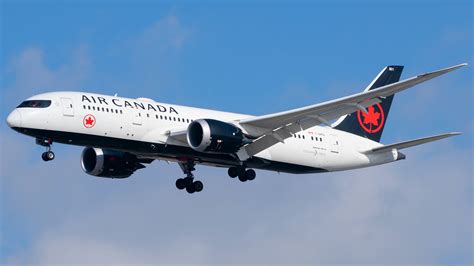
The most visible and often romanticized roles within any airline are those directly involved in flight operations. At Air Canada, these positions are held by highly skilled professionals dedicated to safety, efficiency, and passenger comfort. Pilots at Air Canada are among the best in the world, undergoing rigorous training and continuous professional development to command a diverse and modern fleet. The path to becoming an Air Canada pilot is demanding, requiring significant flight experience, specific licensures, and an unwavering commitment to the highest safety standards. The lifestyle, while challenging with irregular hours and time away from home, offers the unparalleled experience of navigating the globe and connecting people across continents.
Complementing the flight deck crew are the Flight Attendants, who serve as the face of Air Canada in the cabin. More than just service providers, they are safety professionals trained to handle a multitude of situations, ensuring the well-being of passengers throughout their journey. Responsibilities include conducting pre-flight safety checks, demonstrating emergency procedures, providing in-flight service such as serving meals, snacks, and beverages (including alcoholic options), and managing on-board sales of duty-free products and other amenities. For roles within Air Canada Rouge, the airline’s leisure carrier, bilingualism (English and French) is often a key requirement, reflecting Canada’s linguistic duality and enhancing the customer experience. Some positions, such as the “Agent(e) de bord bilingue – Relocalisation à Vancouver,” may even offer opportunities for relocation to key operational hubs. The role demands exceptional interpersonal skills, composure under pressure, and a genuine passion for customer care. The starting pay for a Bilingual Flight Attendant with Air Canada Rouge, for example, can be around $26.42 an hour, offering a competitive entry into this exciting field.
The Bedrock of Aviation: Maintenance and Engineering Excellence
Behind every safe and successful flight is a dedicated team of maintenance and engineering professionals. Air Canada’s commitment to safety is paramount, and this begins on the ground with meticulous attention to aircraft airworthiness. Aircraft Maintenance Engineers (AMEs), also known as Aircraft Technicians, play a critical, safety-sensitive role. These individuals are responsible for the line and heavy maintenance of Air Canada’s fleet, ensuring every aircraft meets stringent regulatory standards before it takes to the skies. Their duties involve performing scheduled maintenance, troubleshooting complex mechanical and avionic systems, conducting repairs, and certifying aircraft for flight. Candidates for AME positions must possess the ability to use correct tools, methods, techniques, and equipment, read and understand various schematic diagrams for maintenance troubleshooting, and be proficient with computers and diagnostic tools. A strong team-oriented mindset, excellent written and verbal communication skills, and the ability to maintain a customer-focused attitude in a demanding, high-stress environment are essential. Qualifications typically include a completed recognized apprenticeship program or at least four years of industry-related experience, and crucially, a Transport Canada AME M2 or M1 license is mandatory. A valid driver’s license is also required, along with the ability to pass a pre-employment qualifying exam, a comprehensive physical examination (including drug and alcohol testing, as employees in this role conduct safety-critical work), and a thorough security check. AMEs must be prepared to work varied shifts, including nights, evenings, days, weekends, and holidays, with night shifts often being the initial permanent assignment, with possibilities for change based on seniority. The ability to obtain and maintain an airside vehicle operator’s permit is also a firm requirement. Pay for Aircraft Maintenance Engineers can range significantly based on experience and qualifications, with junior mechanics starting around $27.82 per hour and experienced AMEs earning up to $44.67 per hour. Endorsements on Air Canada aircraft types and current security clearance are considered valuable assets. Preference may be given to bilingual candidates if all other qualifications are equal.
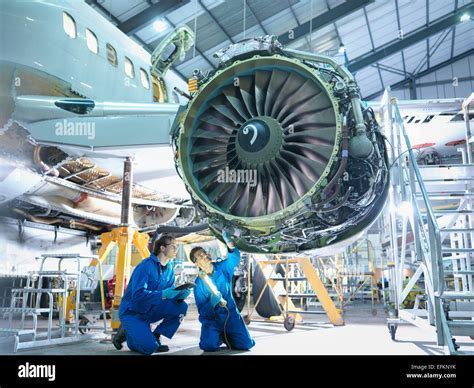
Beyond the aircraft themselves, other specialized technical roles are vital. Ground Support Equipment (GSE) Technicians are responsible for maintaining the vast array of vehicles and equipment used to service aircraft on the ramp, from baggage tugs and belt loaders to de-icing trucks and pushback tractors. A GSE Technician in locations like Vancouver or Quebec City might earn around $39.12 an hour. Ensuring this equipment is reliable is crucial for on-time performance and operational efficiency. Similarly, Stationary Plant Operators, such as those holding a 2nd Class license, manage and maintain the essential building systems within Air Canada’s facilities, including large heating, ventilation, and air conditioning (HVAC) systems. These roles, for example in Quebec City, can command around $39.93 an hour and may involve 12-hour shifts. Specialized management roles also exist within the maintenance division, such as a Manager, Landing Gear Maintenance, who would oversee vendors and ensure the quality and contractual alignment of services related to this critical aircraft system.
Orchestrating the Journey: Airport Operations and Customer Service

The airport environment is a complex ecosystem where numerous teams work in concert to ensure a seamless travel experience for passengers. Customer Service Agents are often the first point of contact for Air Canada passengers, handling check-in procedures, assisting with baggage, managing boarding at the gates, and rebooking passengers during operational disruptions. These roles require patience, problem-solving skills, and a friendly, helpful demeanor. On the ramp, Ramp Agents or Ground Crew are responsible for the physical handling of aircraft, including loading and unloading baggage and cargo, marshalling aircraft to and from gates, and other ground servicing tasks. These physically demanding roles are essential for quick and efficient aircraft turnarounds. Supervisory positions, such as the Chef de permanence – Exploitation – Aire de trafic (Duty Manager – Ramp Operations), oversee all ramp activities, ensuring safety and high-quality customer service, particularly during irregular operations like delays or cancellations. They provide critical leadership on the ground, coordinating various teams to maintain operational integrity.
The Strategic Core: Corporate and Support Functions
While frontline roles are highly visible, a vast network of professionals in corporate and support functions provides the strategic direction, operational support, and administrative backbone for Air Canada. These roles are typically based in major city centers like Montreal, Toronto, and Vancouver. For instance, a Manager, Contact Centres Operations, based in Toronto, would be responsible for leading contact center teams, working closely with shared services and corporate support to implement recruitment, training, induction, and coaching strategies to ensure excellent customer service through phone and digital channels. Administrative Operations Support Senior Coordinators, perhaps in a temporary capacity in locations like Quebec City with pay ranging from $26.36 to $28.46 an hour, perform vital back-office tasks. These can include monitoring printers for quality control, and potentially assuming responsibilities of an assistant coordinator or coordinator, ensuring the smooth flow of administrative processes that support broader operational goals.
In the digital age, technology is a key enabler. A Propriétaire principal des Produits techniques – Platforme numérique (Senior Technical Product Owner – Digital Platform), based in Quebec City, would contribute to the implementation phase of new digital initiatives and help create the product roadmap, acting as a subject matter expert for their specific digital domain. Logistics and supply chain management are also crucial. A Chef d’équipe- Magasins (Team Lead – Stores/Warehouse) in a location like Vancouver, would require significant experience (e.g., over five years) in managing a warehouse within a unionized environment, possibly holding a bachelor’s degree in aviation management or a related field. This role involves overseeing inventory, ensuring parts and supplies are available where and when needed, and managing a team, often with overtime requirements. Beyond these specific examples, Air Canada employs professionals across a wide spectrum of corporate disciplines, including Human Resources, Finance, Information Technology, Marketing and Sales, Legal, Corporate Communications, and Strategic Planning. Each of these departments plays a crucial role in the airline’s overall success and sustainability.
The Path to Joining Air Canada: Application and Recruitment
Finding and applying for Air Canada jobs is a straightforward process, primarily managed through the official Air Canada careers portal and reputable job boards like Indeed. The recruitment journey typically begins with an online application, where candidates submit their resumes and cover letters, detailing their qualifications and experience. It’s crucial to tailor these documents to the specific role, highlighting relevant skills and achievements. Depending on the position, the process may involve various assessments, including aptitude tests, technical evaluations (especially for roles like AMEs), and language proficiency checks. Successful candidates are then invited for one or more interviews, which can range from initial phone screenings to in-depth panel interviews. For many positions, particularly those with access to secure airport areas or involving safety-critical duties, comprehensive background checks and security clearances are mandatory. As previously mentioned, roles like Aircraft Maintenance Engineers require medical evaluations, including drug and alcohol screening, to meet Air Canada’s stringent medical standards. Throughout the process, Air Canada emphasizes its commitment to Diversity and Inclusion, welcoming applications from all qualified individuals to help build a workforce that reflects the rich diversity of its customer base and the communities it serves. The airline also notes that preference may be given to bilingual candidates when qualifications are otherwise equal, underscoring the value of French and English proficiency in many roles.

Essential Attributes for Aspiring Air Canada Employees
While specific qualifications vary widely by role, certain core attributes and general requirements are commonly sought across the Air Canada workforce. A High School diploma or equivalent is often a baseline educational requirement, with post-secondary education or specialized degrees needed for many professional and technical positions. Relevant industry experience is highly valued, particularly for specialized roles in maintenance, flight operations, or management. Licenses and certifications are non-negotiable for many technical and operational jobs, such as pilot licenses, AME licenses (e.g., Transport Canada AME M2 or M1), and valid driver’s licenses. Possession of a restricted radio operator’s permit (aviation) can also be required. Strong communication skills, both written and verbal, are essential for almost every role, as is the ability to work effectively within a team. A customer-focused attitude is paramount, especially for passenger-facing positions. For many operational roles, particularly in airport services and maintenance, a high degree of flexibility is required, including the willingness to work nights, evenings, weekends, and holidays to support the airline’s 24/7 operations. Punctuality and dependability are key to team success in a fast-paced environment. All candidates must be eligible to work in Canada at the time an offer of employment is made, and obtaining any necessary work permits or visas is the sole responsibility of the applicant. Finally, the ability to obtain and maintain applicable transportation security clearances and additional authorizations, depending on the work location, is a standard prerequisite.
Cultivating a Career: The Air Canada Work Environment
Working at Air Canada means being part of a culture that prioritizes safety above all else. This safety-first mindset permeates every level of the organization, from the flight deck to the maintenance hangars to corporate offices. Teamwork and collaboration are also deeply ingrained, as the complex operations of an airline require seamless coordination between diverse departments and functions. Many roles within Air Canada, particularly in maintenance and airport operations, operate within a unionized environment (e.g., with unions like IAMAW for Aircraft Maintenance Engineers), which provides a structured framework for employment conditions, wages, and grievance procedures. The company also offers significant opportunities for career progression and internal mobility. As employees gain experience and seniority, they may have the chance to move into different roles, take on more responsibility, or even relocate to other bases or departments. This potential for growth, combined with the comprehensive benefits and the unique thrill of the aviation industry, makes Air Canada a place where individuals can build not just a job, but a lifelong career.
Air Canada stands as a beacon of opportunity within the Canadian employment landscape and the global aviation sector. The breadth of roles available, from the technical precision of an Aircraft Maintenance Engineer earning between $27.82 and $44.67 an hour, to the customer-centric focus of a Bilingual Flight Attendant for Air Canada Rouge starting at $26.42 an hour, or the operational command of a Ground Support Equipment Technician at $39.12 an hour, illustrates a diverse and rewarding spectrum of career paths. The chance to contribute to an iconic brand, coupled with exceptional travel privileges, comprehensive benefits, and a commitment to employee development and diversity, creates a compelling proposition for job seekers. If you are passionate about aviation, dedicated to excellence, and eager to make a meaningful contribution, exploring the work opportunities at Air Canada could be your first step towards an exciting and fulfilling professional journey. As Air Canada itself encourages, let your career take flight by joining their diverse and vibrant team at the leading edge of passenger aviation.