In today’s dynamic aviation industry, the role of an Aviation Parts Specialist has emerged as one of the most critical positions ensuring the safety, efficiency, and reliability of aircraft operations. Whether based at a bustling airline hub or within a specialized maintenance, repair, and overhaul (MRO) facility, these professionals manage complex inventories, source critical components, and maintain meticulous records that keep fleets airborne. Exploring the landscape of Aviation Parts Specialist jobs, this guide delves into site navigation, filter options, representative listings, and a deep dive into a flagship job post to provide aspiring candidates with a roadmap for success.
The first step for any job seeker is mastering the job board interface. On the Indeed portal, users encounter a streamlined main menu offering access to Home, Company reviews, Find salaries, Sign in, and Employers/Post Job. Advanced filters enable a targeted search by Pay, Remote options, Company name, Job Type, Employer/Recruiter, Location, Experience level, Education requirements, Encouraged to apply flags, and Date posted. An upload-resume feature invites employers to discover qualified candidates, elevating visibility in a competitive market. With over 700 positions listed—sorted by relevance or date—candidates can refine their search to match career aspirations, compensation expectations, and preferred work environments.
The breadth of Aviation Parts Specialist opportunities spans government, commercial airlines, OEMs, museums, and private operations. Each listing underscores unique responsibilities, compensation packages, and benefits structures. Below are key examples that illustrate the diversity of roles and expectations within the field:
- STEM Education Specialist at Sullenberger Aviation Museum (Charlotte, NC): $45,107–49,751/yr; Full‑time, Day shift; Health, retirement, paid time off, vision, dental, life; develop and execute lesson plans and Makerspace programming to inspire future aerospace professionals.
- Military Service – U.S. Navy, Aviation Ordinanceman (United States): Full‑time; Health, retirement, life; supervise ordnance shops, armories, and stowage facilities while honing precision and teamwork in high-stakes environments.
- Technical Product Support Specialist II (Crewed Aviation) at uAvionix Corporation (Columbia Falls, MT): $60,000–77,000/yr; Mon–Fri; referral program, parental leave, 401(k) matching; become an expert in avionics products and deliver customer-focused technical solutions.
- Powerplant Specialist at Skylease Cargo (Miami, FL): Full‑time, Mon–Fri; Health, paid time off, vision, dental, life; conduct engine repairs and parts replacement using advanced diagnostic tools.
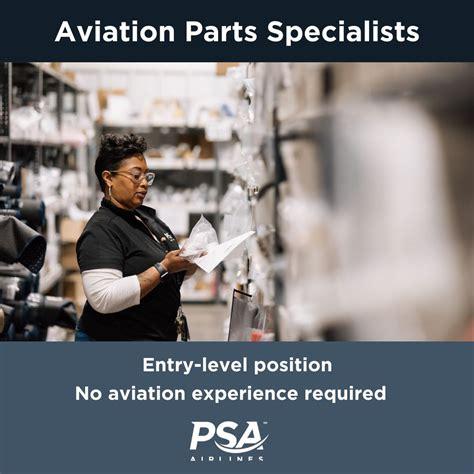
- Aviation Parts Specialist at PSA Airlines (Erlanger, KY & Greer, SC): From $16.25–18.25/hr; AD&D, health, 401(k) matching, vision, dental, flexible spending; manage Merlin computer system for part issuance and receipt, ensuring accurate inventory flow.
- Client Aviation Specialist at Jet Aviation AG (Burbank, CA, hybrid): $68,000–80,000/yr; tuition reimbursement, 401(k) matching, paid time off, employee discounts; bachelor’s degree preferred, with accounting or corporate aviation exposure advantageous.

As candidates navigate these opportunities, understanding a detailed job post is instrumental in aligning qualifications and expectations. The STEM Education Specialist role at the Sullenberger Aviation Museum exemplifies a multi-faceted position that blends technical expertise with educational outreach. In this capacity, professionals are entrusted with the mission to inspire tomorrow’s aerospace innovators through Makerspace programming and equitable STEM access.
Site Navigation & Advanced Filters: Crafting an Efficient Search
Mastery of the platform’s navigation menus and filter suite transforms an overwhelming job board into a tailored search engine. By selecting the appropriate Pay range, Remote or On-site preferences, Company reputations via reviews, and targeted Job Types—full‑time, part‑time, contract, or internship—candidates can hone in on roles that match not only salary expectations but also lifestyle requirements. Filters for Experience level (entry, mid, senior), Education credentials (high school diploma, bachelor’s, master’s), and Encouraged to apply prompts guide applicants toward positions where they exceed minimum qualifications. Date posted filters ensure that the most current openings surface first, granting a competitive edge to proactive job seekers.
Diverse Job Listings: Opportunities Across Sectors
The aviation sector’s complexity yields a spectrum of roles beyond the classic parts specialist. Government and military roles, such as the U.S. Navy Aviation Ordinanceman, offer structured career progression and robust benefits, while corporate and OEM positions provide specialized technical focus and advancement in product support. Museums and educational institutions, exemplified by the STEM Education Specialist, fuse preservation, outreach, and technical stewardship, catering to professionals passionate about community engagement. Meanwhile, cargo and logistics operators such as Skylease require precision-oriented specialists to maintain high-value freighter operations.
Compensation packages vary widely, reflecting cost-of-living differences and sector-specific demands. Entry‐level pay for airline-based parts specialists may start at $16–$18 per hour, supplemented by 401(k) matching, health and vision plans, and flexible spending accounts. Mid-level technical support or powerplant specialists command salaries in the $60,000–$80,000 range plus parental leave and referral programs. Executive‐tier or niche roles, such as those in corporate aviation consulting or private jet operations, can reach six figures, accompanied by tuition reimbursement, employee discounts, and robust retirement contributions.
Flagship Role Breakdown: STEM Education Specialist
The Sullenberger Aviation Museum’s STEM Education Specialist role is illustrative of an advanced position that integrates technical acumen with pedagogical innovation. The selected candidate operates within a mission-driven environment, charged with designing and delivering Makerspace lesson plans that align with North Carolina Essential Standards and industry best practices. This position demands fluency in 3D printing, CAD/design software, and programming platforms, empowering learners of all ages to explore the engineering design process and scientific method through hands-on workshops and field trips.
Qualifications for this role emphasize a balance of subject matter expertise and educational proficiency. Candidates must demonstrate 2–3 years of experience in Makerspace or classroom management, strong customer service skills, and the ability to adapt content for diverse audiences. A bachelor’s degree in STEM or education is required, with preference given to applicants holding an NC Teaching License, Spanish language proficiency, or CPR/First-Aid certification. The museum’s commitment to diversity and inclusion underscores the need for creative problem-solving and strong interpersonal communication.
Major duties split across three core areas:
- Education Programming (50%): Develop in-depth knowledge of the museum’s collection—aircraft, artifacts, and exhibits—and translate this understanding into inquiry-based learning experiences. Facilitate workshops, career fairs, and community outreach events, ensuring all materials are marketable, relevant, and standards-aligned. Regularly review and revise program content to maintain innovation and industry relevance.
- Makerspace Operations (40%): Uphold stringent safety protocols while leading scaffolded Maker challenges. Train volunteers and staff on equipment use and safety procedures, manage supplies, and maintain an organized, functional workspace. Oversee purchased workshops, accommodating visitor needs to deliver seamless experiences.
- Additional Responsibilities (10%): Serve as a brand ambassador for the museum, assisting with special events—including evenings and weekends—and collaborating with gallery educators to unify educational narratives across all public programming.
Key Qualifications and Career Pathways
Aviators and technicians transitioning into parts management should cultivate a blend of technical knowledge, system proficiency, and soft skills. Proficiency with inventory management systems—Merlin, SAP, or Oracle—is a baseline requirement for many roles. Experience with FAA regulations, part-number traceability, shelf-life protocols, and quality control processes distinguishes top candidates. Demonstrated abilities in communication, teamwork, and customer service complement technical competencies, facilitating collaboration with maintenance crews, procurement departments, and external vendors.
Career progression often begins with entry-level roles, advancing through senior specialist, inventory coordinator, or logistics supervisor positions. Some professionals further specialize as powerplant or avionics parts experts, leveraging certifications from the Aviation Suppliers Association (ASA) or the Society of Automotive Engineers (SAE). Opportunities also exist in supply chain management, vendor relations, or technical writing, where subject-matter experts author manuals and regulatory documentation.
Maximizing Your Application and Interview Success
To stand out in a crowded candidate pool, tailor resumes and cover letters to reflect keywords from the job description—inventory control, parts procurement, FAA compliance, computerized maintenance management systems (CMMS). Highlight quantifiable achievements: percentage reductions in excess inventory, parts cost savings, or turnaround time improvements. Prepare for behavioral interviews by crafting STAR-method responses that showcase problem-solving, adaptability, and cross-functional collaboration.
During interviews, articulate familiarity with part-number nomenclature, shelf-life management, and traceability documentation. Demonstrate proficiency with relevant software systems by referencing prior implementations or training experiences. Express enthusiasm for aviation technology trends—3D‑printed components, predictive maintenance analytics, and circular economy initiatives—to convey forward-thinking alignment with industry advancements.
Conclusion: Launching a Rewarding Career in Aviation Parts
The Aviation Parts Specialist role stands at the intersection of technical precision, inventory strategy, and aviation safety. From military ordnance shops to aerospace museums, the demand for skilled parts professionals continues to expand, fueled by global fleet growth and evolving technology platforms. By mastering job board tools, aligning qualifications with flagship postings like the STEM Education Specialist position, and strategically positioning achievements, candidates can navigate the competitive landscape and secure roles that offer both professional fulfillment and robust benefits.
Embrace continuous learning—certifications, software training, and industry events—to remain competitive. Cultivate cross-functional relationships, from maintenance teams to procurement partners, to enhance operational efficiency and career mobility. With dedication and expertise, an Aviation Parts Specialist can play a pivotal role in keeping tomorrow’s aircraft flying safely and efficiently.