Becoming a pilot is an exciting journey, and for those with 250 hours of flight experience, the aviation industry offers a range of opportunities. While the road to becoming a commercial pilot or certified flight instructor is well-established, it’s crucial to know that even with just 250 hours, pilots can explore various career paths that can set them on the right track to further build their skills and expertise. In this article, we delve into the most promising aviation jobs for pilots with 250 hours of flight time, highlighting both the opportunities and challenges they face.
Types of Jobs Available for Pilots with 250 Hours
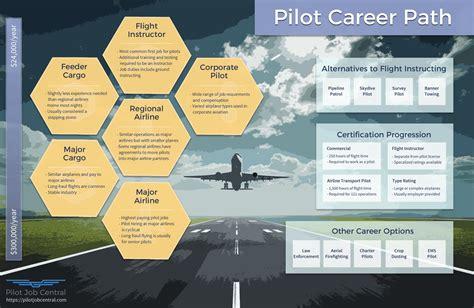
The aviation industry is vast, and with 250 hours of flight experience, pilots can access a variety of roles. Some of these positions may require further certifications or endorsements, but they represent great starting points for building a solid career in aviation. Below are some of the most common and high-demand jobs:
- Flight Instructor
- First Officer
- Charter Pilot
- Tour Pilot
- Agricultural Pilot
Flight Instructor: A Gateway to Gaining Experience
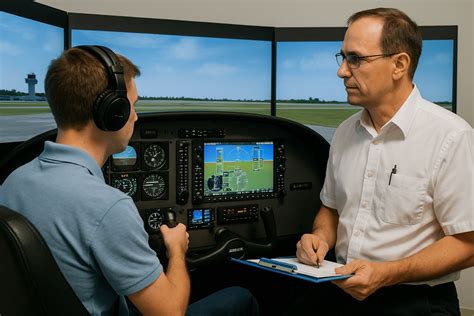
One of the most popular career choices for pilots with 250 hours is becoming a flight instructor. This role allows you to build hours while teaching aspiring pilots. As a Certified Flight Instructor (CFI), you will be responsible for training students in the basics of flight, flight safety, and navigational skills. The CFI certification opens doors to numerous aviation opportunities while providing valuable flight hours. In many cases, pilots with 250 hours can work their way up through smaller flight schools or private training operations.
Flight instructors typically have a flexible schedule, allowing for teaching students both on weekdays and weekends. In addition to gaining valuable flying hours, instructors are often paid based on the number of hours they work and the number of students they teach. Moreover, being a flight instructor gives pilots exposure to various types of aircraft, helping diversify their experience.
Training Programs and Career Path:
- Initial Requirements: 250 hours of flight experience, along with a valid private pilot certificate.
- Additional Certifications: To work as an instructor, pilots must acquire a Certified Flight Instructor (CFI) certificate.
- Potential Earnings: Pay can vary, but typically ranges from $30 to $50 per hour.
First Officer: Flying as a Co-Pilot in Commercial Operations
Becoming a First Officer with 250 flight hours is another feasible career path. As a First Officer, you work alongside the Captain in the cockpit, assisting with navigation, managing flight systems, and ensuring the safety of the flight. While First Officers typically need more hours to become eligible for the Captain role, many commercial and charter airlines hire pilots with relatively low hours for co-pilot positions.
Many regional airlines and charter companies hire pilots with 250 hours, especially for Part 135 operations, which include on-demand flights, business aviation, and flight departments. These roles allow pilots to gain experience in a commercial environment while flying a variety of aircraft.
Training Programs and Career Path:
- Initial Requirements: 250 hours of flight experience and a commercial pilot license (CPL).
- Additional Certifications: A first-class medical certificate and ATP certification may be required.
- Potential Earnings: First Officers can earn anywhere from $40,000 to $70,000 annually, depending on the company and aircraft.
Charter Pilot: Flying for Private Clients
Charter pilots often operate small aircraft for private clients, businesses, or air taxi services. This role offers pilots the chance to fly to a variety of destinations, providing a more flexible schedule compared to commercial airline flying. Charter pilots can work for flight schools, private aviation companies, or operate their own businesses.
The nature of the job may vary depending on the company or type of aircraft, but a 250-hour pilot may be hired by smaller charter companies where they can quickly build hours in a practical flying environment. While pilots in this role may have more independent schedules, they must also demonstrate great skill in managing the needs of passengers while ensuring aircraft safety.
Training Programs and Career Path:
- Initial Requirements: 250 hours and a commercial pilot license (CPL).
- Additional Certifications: Some companies may require specific endorsements or additional ratings, such as instrument ratings or multi-engine ratings.
- Potential Earnings: Charter pilots can make between $40,000 and $60,000 annually, depending on experience and location.
Tour Pilot: Showing People the World from Above
For pilots with a passion for adventure, tour pilot positions are a fantastic option. These roles often involve flying passengers on sightseeing flights, whether over cities, scenic landscapes, or famous tourist destinations. Pilots in this position often fly smaller aircraft, such as helicopters or small fixed-wing planes, and they must be able to communicate effectively with passengers while ensuring flight safety.
While this job provides a unique opportunity to see the world from a different perspective, it also requires additional safety protocols and an excellent understanding of local airspace and weather conditions. Pilots with 250 hours are often considered for these positions at tourism companies or small private air operators.
Training Programs and Career Path:
- Initial Requirements: 250 hours of flying time, typically with basic flight certifications.
- Additional Certifications: Depending on the type of aircraft used, additional certifications such as commercial pilot licenses may be required.
- Potential Earnings: Tour pilots typically earn around $30,000 to $50,000 annually.
Agricultural Pilot: A Niche Career with a Growing Demand
Agricultural aviation is an often-overlooked but rewarding career path for pilots with 250 hours. This role involves flying specialized aircraft used for spraying crops, fertilizing fields, and conducting other agricultural tasks. While it may seem like a niche area of aviation, agricultural flying plays a vital role in ensuring crop health and agricultural productivity.
Agricultural pilots typically work in rural or farming regions and are expected to have specialized knowledge of flight operations in close proximity to the ground. Many of these roles are available with companies specializing in crop dusting or spray services, which hire pilots with low flight hours to perform these tasks. Despite the unique challenges this job presents, it offers high earning potential and opportunities to gain hands-on flying experience.
Training Programs and Career Path:
- Initial Requirements: A commercial pilot license (CPL) and at least 250 hours.
- Additional Certifications: Agricultural pilots may need specialized training in aerial application and FAA certification.
- Potential Earnings: Agricultural pilots can earn between $45,000 and $75,000 annually, depending on the region.

Advancing Your Career Beyond 250 Hours
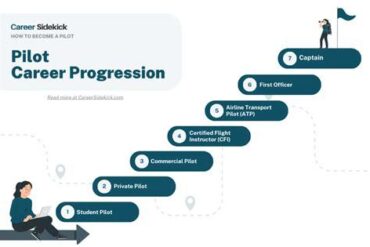
While 250 flight hours is a significant achievement, there are always additional opportunities for pilots who wish to advance further. Many pilots choose to pursue airline transport pilot (ATP) certification, which allows them to qualify for captain roles in major airlines. Gaining experience in one of the above roles is an excellent way to build up hours while developing crucial skills needed to operate larger, more complex aircraft.
Additionally, some pilots opt to work in more specialized sectors of aviation, such as test piloting, aerial survey work, or government contracts. These roles typically require higher flight hours and specific expertise, but they represent the next step up in a pilot’s professional journey.
Conclusion: Building a Successful Career with 250 Flight Hours
For pilots with 250 hours of flying experience, there are numerous career paths that provide opportunities to learn, grow, and eventually transition into more complex flying roles. Whether you choose to become a flight instructor, a First Officer, or pursue a niche career such as tour or agricultural aviation, there are many opportunities to enhance your skills and gain valuable flying experience.
While the journey may require persistence and additional training, the possibilities for aviation careers with 250 hours are vast, rewarding, and full of potential.