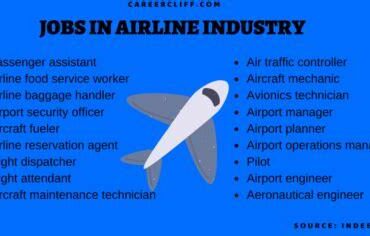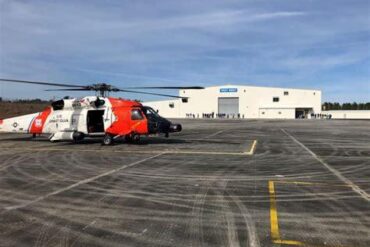
Washington, DC, stands as a hub of aviation excellence, offering a wealth of air traffic control (ATC) employment opportunities that cater to a wide array of expertise and career ambitions. As the epicenter of the nation’s airspace governance and one of the busiest air corridors in the world, the capital region presents diverse roles in air traffic management, operational safety, and aviation technology integration. With its strategic proximity to major airports like Washington Dulles International Airport (IAD), Ronald Reagan Washington National Airport (DCA), and various military and government airfields, the city’s airspace is managed with unparalleled precision and diligence.
Aspiring air traffic professionals and seasoned controllers alike are drawn to Washington, DC, not only because of its pivotal aviation significance but also due to the robust employment benefits and career progression pathways that organizations offer. From federal entities like the Federal Aviation Administration (FAA) to private aviation service providers, the city’s employment landscape is as varied as it is dynamic.
The Scope of Air Traffic Control Careers in DC
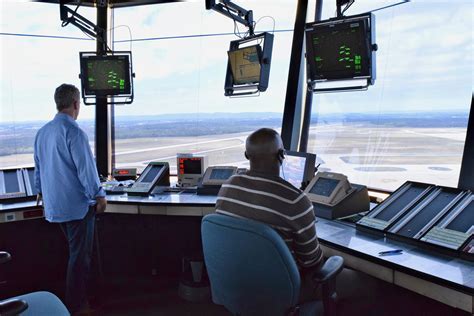
The roles available in the region extend well beyond the traditional tower controller positions. Professionals can find employment in en-route centers, approach and departure control facilities, and air traffic flow management centers. In addition to operational control, significant roles exist in software development for air traffic management (ATM) systems, aviation safety analysis, and infrastructure modernization projects. For instance, companies like Leidos, headquartered in Reston, VA, are leaders in providing ATM software solutions, employing specialists who merge engineering, data analytics, and aviation knowledge to enhance national airspace efficiency.
Competitive Salary Ranges and Benefits
ATC jobs in Washington, DC, are well-compensated due to the critical nature of the work and the region’s high cost of living. Entry-level positions such as Ramp Agents with companies like Swissport International AG offer starting wages around $18.50 per hour, with part-time opportunities available. For mid to senior-level roles, compensation becomes markedly more lucrative. The Air Traffic Management Software Division Manager at Leidos, for example, commands a salary between $216,800 and $348,750 annually, reflecting the technical complexity and leadership demands of the position.
In addition to competitive pay, employees benefit from 401(k) matching programs, health and dental insurance, paid holidays, and other perks like professional development reimbursements. Notably, roles tied to federal agencies, such as those with the Transportation Security Administration (TSA), also include robust retirement plans and job security under government employment structures.
Skill Sets and Educational Requirements
A career in air traffic control demands a unique blend of technical expertise, situational awareness, and communication precision. For operational roles, candidates must hold or pursue certification through the FAA’s Air Traffic Collegiate Training Initiative (AT-CTI) or possess prior military ATC experience. Technical roles, especially those involving system engineering and risk management, often require bachelor’s or master’s degrees in aeronautical engineering, computer science, or related fields.
Companies value additional qualifications such as:
- Valid driver’s licenses and clear background checks
- Excellent health and physical fitness to meet the demands of shift work
- Familiarity with safety protocols and federal aviation regulations (FARs)
Major Employers and Career Paths
The employment ecosystem is populated by a mix of private contractors, federal agencies, and aviation service providers. Key employers in the area include:
- Swissport International AG: Specializing in ramp and cargo handling services.
- Leidos: A pioneer in ATM software and technical solutions.
- TSA: Providing security and airspace safety through roles such as Transportation Security Officers (TSOs).
- Astrion: Focused on ATC testing and system optimization.
- Worldwide Flight Services, Inc.: Handling air cargo operations and ground logistics.
Employees often begin in entry-level operational roles and progress into supervisory, technical, or management positions, supported by ongoing training and certification. Some pivot towards specialized areas such as aviation security, airspace design, or emergency response coordination.
The Strategic Importance of Washington’s Airspace
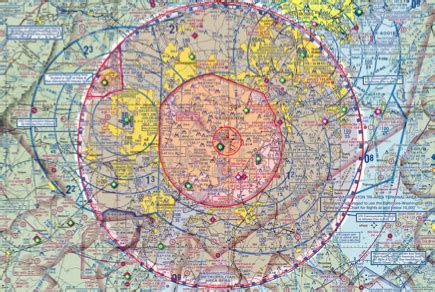
Washington, DC’s airspace is classified as one of the most restrictive and monitored in the world, primarily due to national security concerns and the proximity to critical federal institutions. The Washington, DC Flight Restricted Zone (FRZ) and the Special Flight Rules Area (SFRA) impose strict operational guidelines, requiring ATC personnel to be exceptionally vigilant and skilled in managing both civilian and military flights. These unique operational conditions make Washington an ideal environment for honing advanced air traffic management skills.
Challenges and Rewards of Working in DC
Working in this high-stakes environment brings distinct challenges. Controllers must navigate complex airspace structures, coordinate with multiple agencies, and respond swiftly to emergency and security incidents. The mental and physical demands are substantial, but so are the rewards: professionals gain exposure to cutting-edge aviation technology, work alongside top-tier talent, and contribute to the safety and efficiency of national and international air travel.
Future Outlook and Emerging Opportunities
The field is poised for growth, driven by advancements in NextGen air traffic control systems, increased global travel demand, and emerging sectors like unmanned aircraft systems (UAS) integration. Companies and agencies in the DC region are actively investing in talent acquisition and training to stay ahead of evolving challenges. The incorporation of AI, machine learning, and enhanced radar technologies is reshaping the scope of roles, creating fresh opportunities for both technical experts and operational personnel.
In conclusion, pursuing an air traffic control career in Washington, DC, offers not only financial security and professional prestige but also the chance to be at the forefront of aviation innovation and safety. With a vibrant job market and continuous investments in aviation infrastructure, DC remains a top destination for air traffic control professionals seeking impactful and rewarding careers.