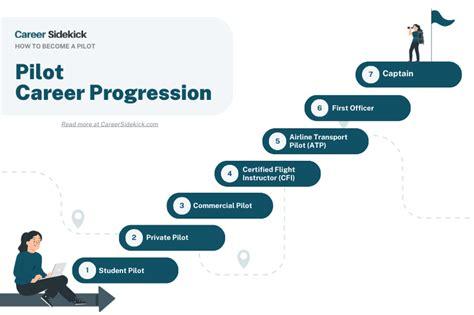
Navigating the world of pilot jobs with 500 hours of experience can seem daunting, but in reality, this pivotal milestone opens a surprising range of career paths for emerging aviators. As the industry evolves with increasing demand, especially post-pandemic, opportunities for pilots with moderate flight time have expanded considerably.
The 500-hour benchmark traditionally represents a threshold where commercial pilot license (CPL) holders can step beyond instructing roles into broader aviation sectors. While some major airlines may still require higher minimums, numerous charter, medevac, and regional companies are eager to recruit at this level.

Understanding the Pilot Job Market at 500 Hours
The modern aviation hiring landscape acknowledges that pilots with 500 hours often bring sharp skills, up-to-date knowledge, and adaptability. Companies such as Bechtel, NetJets, and Jet Access are notable employers who seek pilots around this experience range, offering competitive salaries and full benefits packages.
The nature of the work at this level spans multiple sectors:
- Medical Air Transport: Organizations like Guardian Flight hire fixed-wing pilots, offering salaries between $100,284 and $110,312 annually, with bonuses and relocation support.
- Charter Services: Companies like Solarius Aviation present flexible roles with salaries that can soar up to $500,000 for captains on aircraft such as the Gulfstream G650.
- Corporate Aviation: Business jet operators, including Executive Jet Management, require skilled first officers and captains to transport high-profile clients.
Typical Salary Expectations for 500-Hour Pilots
Entry-level salaries for pilots with around 500 hours vary widely based on sector, aircraft type, and region. Data extracted from current job postings illustrates:
- Bechtel Pilot II roles: $163,032–$248,400 per year.
- NetJets First Officers: Competitive pay with additional benefits like 401(k) matching and pet insurance.
- Guardian Flight Fixed Wing Pilots: $100,284–$110,312 base salary, with substantial sign-on and retention bonuses.
Notably, certain on-demand charter and air ambulance services offer compensation packages traditionally associated with more experienced pilots, reflecting a growing willingness to invest in motivated talent early.
Key Employers Offering 500 Hour Pilot Jobs
Many respected aviation companies recruit pilots with around 500 hours, particularly those who demonstrate strong foundational skills, adaptability, and professionalism. Some key employers include:
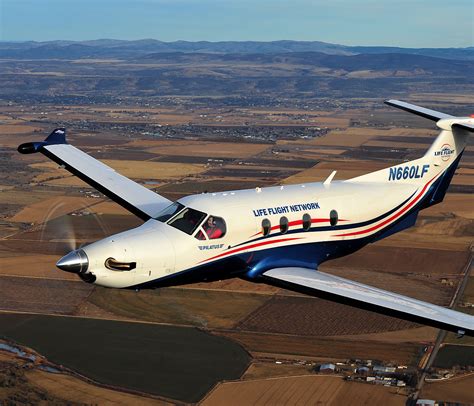
- Guardian Flight: Medical transport, King Air C90 and Pilatus PC-12 operations.
- NetJets: Private fractional ownership flights across the U.S. and globally.
- General Atomics: Test pilots needed for experimental and unmanned systems.
- Jet Access: Citation XLS captain positions.
- Air Methods: HAA (Helicopter Air Ambulance) and fixed-wing pilots for critical care transport.
Each of these companies emphasizes not just hours, but pilot aptitude, commitment to safety, and capacity to thrive under demanding operational conditions.
Benefits and Incentives for 500-Hour Pilot Positions
An attractive aspect of many current openings is the robust benefits package accompanying the salary. Typical incentives include:
- Sign-On Bonuses: Often ranging from $15,000 to $40,000.
- Retention Bonuses: Some employers, like Guardian Flight, offer multi-year bonuses.
- Paid Parental Leave and Health Insurance: Full family medical coverage, including vision and dental.
- 401(k) Retirement Matching: Significant employer contributions to retirement plans.
- Paid Relocation Assistance: Up to $3,000 to ease the transition to new bases.

Minimum Qualifications for 500-Hour Pilot Jobs
Although companies open to 500-hour pilots are more flexible than major airlines, minimum requirements still maintain high standards. Most roles expect:
- Commercial Airplane Single Engine Land (C-ASEL) Certification
- Current FAA Class I or II Medical Certificate
- Valid Driver’s License
- Flight Hours Breakdown:
- 2,500 total flight hours preferred by premium employers (some entry roles accept 500–1500 hours)
- 500 cross-country flight hours
- 100 night flight hours
- 75 instrument hours (50 actual)
Pilots willing to progress toward an Airline Transport Pilot (ATP) certification within five years are particularly favored.
Challenges and Realities at 500 Hours
While opportunities are promising, pilots should be aware of several realities when job hunting at 500 hours:
- Geographic Flexibility: Some jobs, especially medical transport roles, require willingness to relocate to remote or underserved areas.
- Schedule Demands: Pilots often work non-traditional schedules, including 14-days-on/14-days-off rotations.
- Physical and Weather Challenges: Positions may involve working in extreme weather and assisting in loading passengers or cargo.
- Commitment to Safety and Training: Maintaining operational readiness, participating in recurrent training, and adhering strictly to protocols are mandatory.

Pathways to Career Advancement Beyond 500 Hours
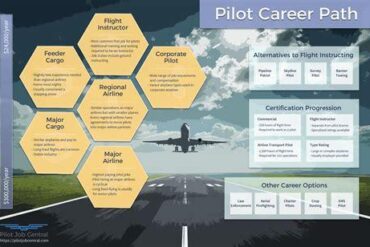
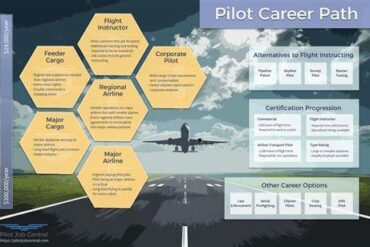
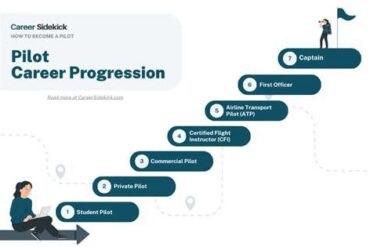
Landing a job at 500 hours is just the beginning. Strategic career moves can accelerate advancement toward major airline or corporate aviation goals. Typical pathways include:
- Building PIC (Pilot-In-Command) Time: Essential for future ATP qualifications.
- Transitioning to Larger Aircraft: Moving up from single-engine planes to light jets and turboprops.
- Specializing: Gaining experience in niche sectors like air ambulance, aerial firefighting, or cargo.
- Networking: Leveraging connections made during early jobs to access high-profile or international opportunities.
Pilots often see significant career mobility within two to three years after securing their initial 500-hour position.
The Future Outlook for 500-Hour Pilots
The aviation industry continues to face a worldwide pilot shortage, with retirements, regulatory shifts, and expanding travel demands increasing pressure. This environment favors motivated pilots who reach the 500-hour mark.
The post-pandemic recovery has reinforced strong hiring cycles, particularly across regional airlines, private charter companies, and emergency medical operators. Technological advancements, including the growth of electric aviation and urban air mobility, will further diversify available roles for lower-hour pilots.
Thus, pilots entering the workforce today with 500 hours have unprecedented access to career-launching opportunities, provided they remain adaptable, committed to ongoing training, and proactive in seeking advancement.
Conclusion: Launching a Rewarding Aviation Career at 500 Hours
In today’s dynamic aviation environment, 500 flight hours represents far more than a mid-point in building experience; it is a gateway to impactful and lucrative aviation careers. With a wide range of roles available in medical transport, private charter, and corporate flying, pilots who seize these opportunities can accelerate their journey to their ultimate goals.
By understanding industry expectations, maintaining a commitment to professionalism, and strategically planning their career path, pilots at this level can position themselves for sustained success in a rapidly evolving field.