Navigating a career as a full-time tow pilot is both rewarding and challenging. This specialized aviation role requires skill, commitment, and a passion for flight, particularly in glider operations and banner towing. As the demand for tow pilots grows across industries like recreational gliding, aerial advertising, and aviation training, opportunities have become more accessible for those seeking to transition into a dedicated flying career.
Tow pilots perform a critical function by safely launching gliders or towing banners, often working in highly dynamic environments that require sharp flying skills, precision, and excellent judgment. As full-time positions become available, it is crucial to understand the nuances of the role, including the expectations, qualifications, and professional prospects.
The Essential Responsibilities of Full Time Tow Pilot Jobs
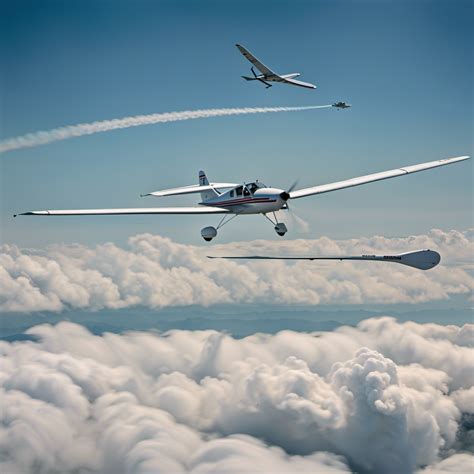
At the heart of the job, full-time tow pilots are responsible for the safe, consistent, and efficient towing of gliders or banners. Pilots must possess advanced stick-and-rudder skills, quick decision-making abilities, and a strong understanding of aerodynamics under various tow conditions. Unlike traditional flight operations, towing demands an acute sense of spatial awareness, coordination with ground crews, and a continuous focus on the aircraft being towed.
Flight operations usually occur from private airfields, gliderports, or even temporary strips set up for events. Each flight typically involves multiple takeoffs and landings throughout the day, often in conditions that vary considerably. Consequently, employers seek individuals who can demonstrate resilience, stamina, and technical mastery.
Key Qualifications and Skills for Tow Pilot Employment
To be considered for full-time tow pilot roles, candidates generally need to meet specific regulatory and experience requirements. Although exact standards can vary by employer, the common baseline includes:
- Commercial Pilot Certificate: A minimum FAA Commercial Pilot License (CPL) is typically required.
- Tailwheel Endorsement: Many tow planes are tailwheel aircraft; therefore, a tailwheel endorsement and relevant flight hours are often necessary.
- Towing Endorsement: FAA regulations mandate that pilots must receive specialized training and endorsements for glider or banner towing.
- Flight Experience: Employers favor pilots with a minimum of 100–300 hours total time, depending on the complexity of operations.
- Physical Endurance: Given the repetitive nature of tows, pilots must demonstrate strong physical fitness and the ability to endure long hours in variable conditions.
Popular Employers and Locations for Full Time Tow Pilots
Several prominent companies and organizations regularly seek full-time tow pilots. Opportunities are found across the United States, particularly in regions with active soaring clubs, aerial advertising hubs, and aviation academies.
For example, Kitty Hawk Kites, Inc. based in Charlestown, NH, frequently hires Adventure Tow Pilots who double as Certified Flight Instructors. Tow pilots here engage in a mix of recreational gliding and flight training, offering dynamic workdays filled with varied missions.
Meanwhile, other employers like Excell Marine Corporation and Capital Sand Co Inc offer unique opportunities for pilots who want to blend traditional towing with maritime and dredging aviation support roles. Although these may differ slightly from pure aerial towing, they underscore the expanding nature of ‘tow pilot’ responsibilities across industries.
Salary Expectations and Employment Benefits
Salaries for full-time tow pilots vary widely depending on experience, location, and specific job requirements. Generally, pay ranges from $500 to $1,200 per day for experienced pilots engaged in high-demand sectors like banner towing or specialized glider launching.
Typical benefits offered by employers include:
- Health Insurance Packages (Medical, Dental, Vision)
- 401(k) Plans with Matching Contributions
- Paid Time Off (PTO) and Flexible Schedules
- Referral Bonuses and Fuel Discounts for roles overlapping with logistics sectors
In locations like White Plains, NY, where Sofar operates, co-pilot positions such as those flying the PC-12 offer salaried roles around $75,000 annually, demonstrating the earning potential as pilots advance.
Working Conditions and Environment for Tow Pilots
Life as a full-time tow pilot involves working in diverse and sometimes challenging environments. Pilots often operate in remote fields, sometimes without immediate support services, necessitating high levels of self-reliance. Seasonal demands can also influence the workload significantly; summer seasons see a boom in glider and banner towing due to favorable flying conditions and tourism activities.
Adverse weather, rugged landing strips, and long duty hours are common elements. Thus, pilots must be adaptable, resourceful, and proactive in maintaining operational safety standards.

Career Progression and Opportunities for Advancement
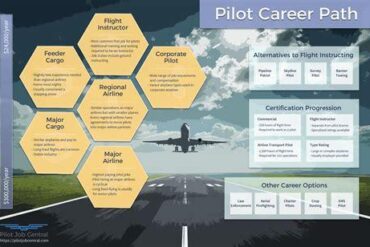
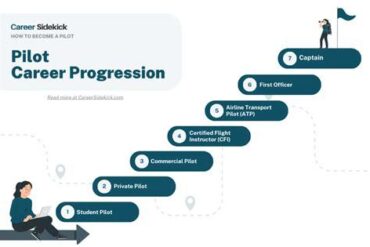
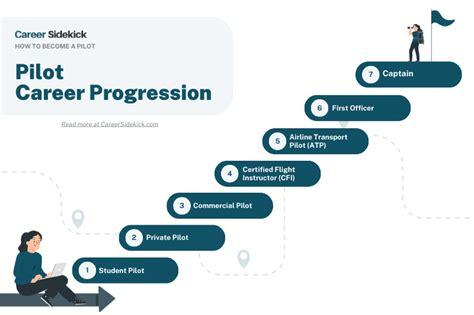
Full-time tow pilot jobs offer more than immediate employment; they serve as excellent stepping stones for broader aviation careers. Accumulating substantial hours in tailwheel aircraft, perfecting short-field takeoffs and landings, and mastering towing dynamics can significantly enhance a pilot’s overall flying competency.
Many tow pilots transition into careers as:
- Corporate Jet Pilots
- Charter Pilots
- Flight Instructors (particularly in tailwheel and upset recovery)
- Aerial Survey and Agricultural Pilots
In addition, those employed at reputable organizations can leverage internal transfer opportunities into other operational roles, such as aviation management, safety officers, and flight operations coordinators.
How to Stand Out When Applying for Tow Pilot Positions
Competition for the best full-time tow pilot jobs can be intense, especially at premier flight parks or aerial advertising companies. To enhance candidacy, pilots should:
- Maintain an up-to-date, polished resume highlighting towing endorsements and relevant experience.
- Secure strong recommendations from flight instructors or previous employers.
- Emphasize diverse flying skills, such as mountain flying, crosswind operations, or banner pickup techniques.
- Demonstrate a strong understanding of FAA towing regulations and operational best practices.
- Exhibit excellent communication and teamwork skills, critical when coordinating with ground crews and other pilots.
Conclusion: Launching a Dynamic Aviation Career
The world of full-time tow piloting represents a thrilling and practical career avenue for pilots passionate about hands-on flying and operational challenges. It demands a unique combination of technical skill, endurance, and adaptability, rewarded by competitive salaries, professional respect, and opportunities for career progression.
As aviation continues to diversify, the role of the tow pilot remains indispensable in sectors like recreational gliding, aerial advertising, and training. For those willing to master the art and science of towing, a fulfilling and prosperous aviation journey awaits.