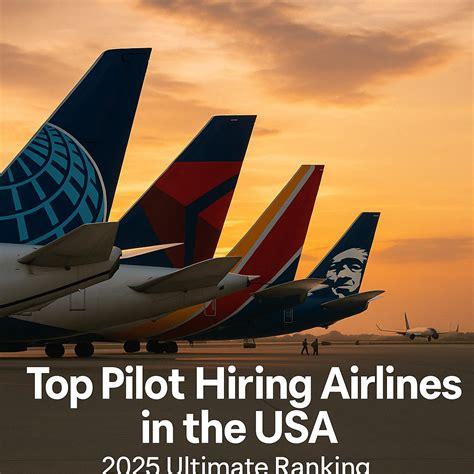
The career of a commercial airline pilot has long stood as a symbol of prestige, skill, and upward mobility. However, as the demand for pilots continues to rise amid a persistent global shortage, airlines in the United States have responded by crafting structured, career-defining pilot pathway programs. In 2025, these programs have become more competitive, comprehensive, and financially strategic, often including mentorship, regional flow-throughs, and job guarantees. Here’s an in-depth look at the five most superior pilot career paths offered by US airlines in 2025, based on clarity, structure, accessibility, and long-term career value.
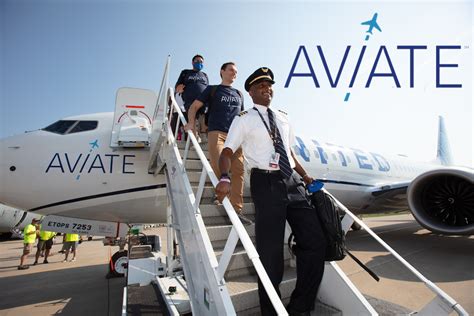
United Aviate: A Streamlined Path With a Centralized Training Model
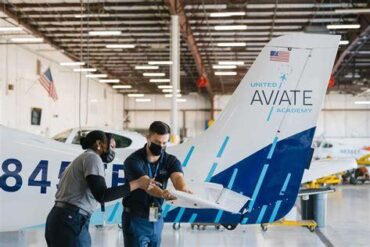
United Airlines’ Aviate program stands out as one of the most structured and high-profile career path programs in the country. It’s pitched as the fastest and most direct path to a United mainline cockpit, and in many ways, that claim holds water. With a dedicated training campus in Phoenix, Arizona, Aviate brings together 20 university partnerships offering aviation degrees with integrated flight training. For students at these universities, the program provides early enrollment opportunities, while those coming from non-partner schools or with prior aviation credentials must hold a commercial pilot’s license to qualify.
The Aviate Academy caters to both zero-time and licensed pilots, and its network includes regional and Part 135 operators such as GoJet Airlines, CommuteAir, Mesa Airlines, SkyWest Airlines, JSX, and Tradewind. Upon securing a position at one of these affiliates, cadets must accumulate 1,200 hours as pilot-in-command before being eligible for a United Airlines interview. Importantly, this is not a job guarantee, but it does prioritize candidates within United’s hiring framework. While it’s an intensive, structured journey, the centralized nature of the program and its strong integration with United’s operational ecosystem make Aviate a compelling option.
Southwest Airlines Destination 225°: Flexibility and Mentorship at Its Core
Destination 225°, named after the compass bearing pointing southwest, is Southwest Airlines’ ambitious training program catering to cadets, university students, military veterans, and internal employees. Designed with inclusivity and flexibility in mind, this program enables entrants from various aviation experience levels to engage with Southwest’s flight training ecosystem. Through partnerships with 12 universities and multiple flight training schools, candidates can embark on a roughly 13-month intensive training regime, during which Southwest offers stipends to cover living costs.
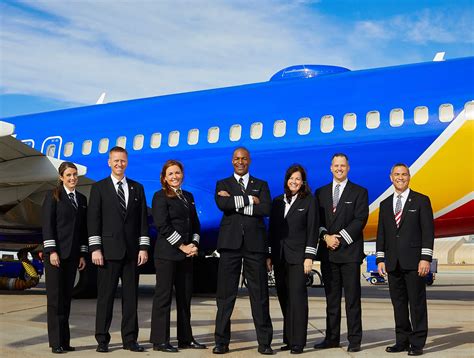
Graduates enter into partnerships with operators like Advanced Air, FlyHouse, Jet Linx, XOJET, Thrive Aviation, and SkyWest Airlines. A two-year commitment at these carriers is expected before candidates can join Southwest—pending operational needs. A key strength of the Destination 225° program is the mentorship element, with cadets paired with active Southwest first officers who offer guidance throughout their journey. Though Southwest doesn’t offer a guaranteed final placement, the structured steps, financial support, and strong corporate culture create a robust pilot development pipeline.
American Airlines Cadet Academy: Wide Reach and Loan Support With Guaranteed Flow
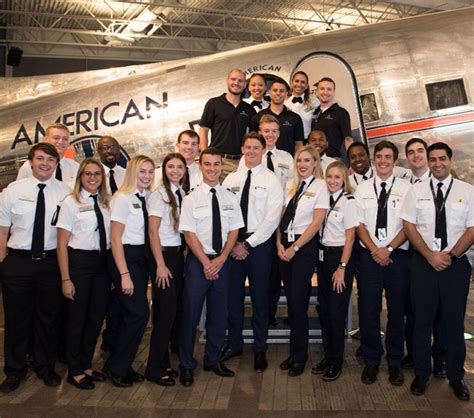
The AA Cadet Academy offers a practical and well-supported path for aspiring pilots, with operations across seven campuses in strategic locations such as New Jersey, Florida, Texas, and Arizona. Unlike some programs limited to certain geographic areas, this expansive footprint provides flexibility and reach. The academy trains cadets from zero hours up to Certified Flight Instructor (CFI) with instrument rating, offering credit for previous flight experience. Upon achieving certification, cadets can work as flight instructors to log the 1,500-hour ATPL requirement.
Financial barriers are often a deterrent to aviation careers, but American’s program addresses this head-on with specialized loan options through the American Airlines Credit Union. Graduates who meet all requirements receive conditional job offers from one of the airline’s three wholly owned regional carriers: Envoy Air, PSA Airlines, or Piedmont Airlines. Through these carriers, cadets enter a flow program that leads to a guaranteed spot at American Airlines, bypassing further interviews. While seniority dictates the timeline, the job security, financial flexibility, and regional-to-mainline flow make this a particularly attractive pathway.
Frontier Airlines F9 Pilot Cadet Program: Job Guarantee and Financial Incentives
Among all pilot pathway programs in the United States, Frontier Airlines’ F9 Pilot Cadet Program offers perhaps the strongest job security. In partnership with ATP Flight School, the largest flight training provider in the country, cadets have access to over 70 training locations. What truly sets this program apart is that it requires only 750 flight hours for eligibility—achieved through a Restricted ATP License (R-ATP)—and guarantees a job as a First Officer upon completion.
This program is not only flexible in location but also in its financing. Frontier facilitates customized lending solutions, and cadets receive a monthly stipend, which increases to $1,000 if training is completed early. Upon joining Frontier, the airline covers the costs of both the ATPL checkride and jet transition training, as well as all internal onboarding. Candidates also receive limited flight benefits, making the transition into airline life smoother. The absence of uncertainty at the end of the process, combined with nationwide access and covered training costs, makes Frontier’s cadet path one of the most secure and pragmatic routes to a career in commercial aviation.
Delta Propel: Mentorship and Minimal Interviews With a Dual Offer Model
Delta Air Lines’ Propel Pilot Career Path Program has risen quickly in reputation due to its unique promise of dual job offers and streamlined onboarding process. The program has four entry paths: university students, current Delta employees, flight school instructors, and Propel scholarship recipients. Candidates need only complete a single interview to unlock conditional offers from both Endeavor Air (Delta’s wholly owned regional subsidiary) and Delta Air Lines.

This simplicity, coupled with the built-in mentorship system, makes the Propel program remarkably efficient. Cadets are assigned active Delta pilots as mentors who offer insight and support throughout their training, flight instruction, and regional airline tenure. While cadets must serve a minimum of two years as captains at Endeavor Air, the program’s flow-through agreement means they are guaranteed a seat at Delta when their seniority number arrives—no second interviews required.
Delta’s Propel participants benefit not only from the prestige of the brand but also from early career alignment with long-term employer expectations, reducing friction during transitions. As Delta increasingly hires from Propel graduates, it is clear the program is designed not just as a feeder, but as a direct investment in the airline’s pilot future.
Conclusion: A New Era of Strategic Pilot Development in the US
The year 2025 marks a turning point for airline pilot career development in the United States. With each major carrier designing programs that blend education, financing, and long-term employment strategies, the barriers to entry for aspiring pilots are lower than ever before—at least for those who qualify. United’s Aviate program leads with a streamlined, albeit competitive approach centered on a single training facility. Southwest’s Destination 225° offers flexibility and mentorship but comes without a final guarantee. American Airlines’ Cadet Academy strikes a balance between geographic accessibility and job security. Frontier’s Cadet Program stands out for its transparency and job guarantee. Delta’s Propel Program, meanwhile, impresses with its dual offers and seamless progression to mainline flying.
Each of these programs reflects a deeper industry trend: a recognition that pilot development must be treated as a long-term, strategic investment. Airlines are not merely filling seats—they are nurturing brand-aligned aviators from the ground up. For prospective pilots evaluating the future, these five pathways represent the gold standard of career-building opportunities in aviation today.