Understanding the Cost to Become a Helicopter Pilot
Pursuing a career as a helicopter pilot is a goal that demands financial commitment, intense dedication, and long-term planning. Whether entering through civilian flight schools or joining military programs, the pathway to the cockpit is paved with both investment and sacrifice. In this article, we break down the actual cost to become a helicopter pilot, including direct training expenses, alternate paths such as military sponsorship, and the long-term financial implications of this demanding profession.
The dream of soaring above cities, coastlines, and mountain ranges is a powerful one—but to make it a reality, aspiring aviators must first navigate the high price of training. Helicopter flight training, especially through civilian routes, is significantly more expensive than fixed-wing pilot certification. This cost disparity is due to higher operating costs, specialized instruction, and longer flight hours required for employment.
Civilian Flight Schools: The Financial Breakdown
The most direct, albeit expensive, route is via civilian helicopter flight schools. These institutions are typically certified under either Part 61 or Part 141 of the Federal Aviation Regulations (FARs), each with different training requirements and costs.
Total Cost Estimate (Civilian Path)
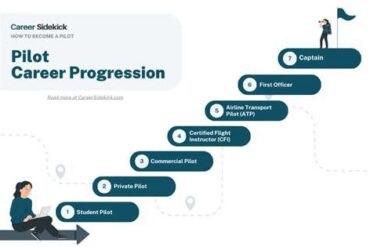
The average student looking to reach Certified Flight Instructor (CFI) status—considered the entry-level job qualification—should be prepared to spend:
-
$70,000 to $90,000 at budget-friendly schools (often under Part 61)
-
$120,000 to $150,000 at structured, accredited academies (typically Part 141)
This amount covers the five essential licenses and ratings:
-
Private Pilot – Helicopter
-
Commercial Pilot – Helicopter
-
Instrument Rating
-
Certified Flight Instructor (CFI)
-
Certified Flight Instructor Instrument (CFII)
Part 61 schools offer greater flexibility and may allow faster progression at lower costs, especially if training with independent instructors or flying from rural locations with lower operational overhead. However, the lack of financial aid options, fewer resources, and more self-directed learning can be limiting factors.
Financing and Debt Considerations
Aspiring helicopter pilots often face a difficult choice between student loans and personal debt. Many flight schools are not eligible for federal student loans, forcing students to rely on high-interest private financing, home equity loans, or family assistance. A debt load of $100,000 or more is common, which can take a decade to repay depending on job prospects.
This financial strain is one of the most common deterrents for students, especially since starting salaries in the industry are relatively low.
Military Training: The Alternative Path
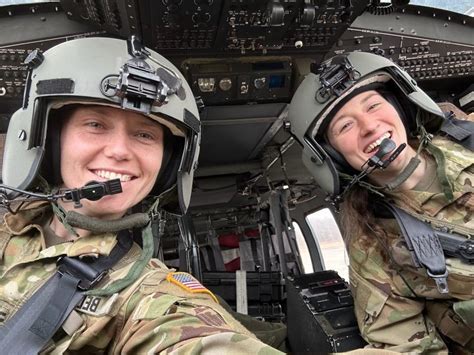
For those seeking an alternative to six-figure civilian training costs, the U.S. military offers a structured and fully funded path. The Army Warrant Officer Flight Training (WOFT) program is the most commonly recommended option, allowing candidates to train as helicopter pilots with zero tuition, while earning a salary, benefits, and a pension track.
Military Branch Options
-
U.S. Army (WOFT): No prior college required. Direct flight training. 6–10 year service commitment.
-
National Guard: Reserve structure with state assignments. Training provided. Less relocation.
-
U.S. Coast Guard, Navy, and Air Force: Fixed-wing training more common. Helicopter slots limited and highly competitive. College degrees usually required.
Military training provides world-class instruction, thousands of flight hours, and often transitions well into civilian aviation careers, especially emergency medical services (EMS), firefighting, law enforcement, and offshore oil rig support. However, it comes with a significant time and lifestyle commitment, often lasting up to 10 years of active duty and deployment.
Post-Service Career Benefits
Many former military pilots benefit from:
-
Veterans Affairs (VA) benefits for further ratings
-
High employability in civilian helicopter operations
-
Fast-track opportunities in airlines, especially for dual-rated pilots
The Role of Passion vs. Practicality
Despite the high costs, many choose this career for its intrinsic rewards rather than financial gain. Helicopter pilots often speak of the fulfillment of flying missions that save lives, support remote communities, or provide critical logistics. But reality quickly sets in when faced with long working hours, low starting wages, and the stress of maintaining flight proficiency while managing debt.
Starting Salaries and Career Progression
-
Entry-level CFI: $30,000 to $45,000/year
-
Utility & tour pilots: $50,000 to $70,000/year
-
EMS pilots (3+ years): $80,000 to $100,000+/year
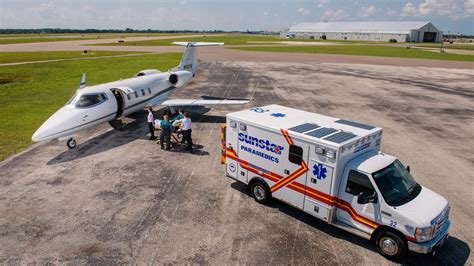
Overtime, relocation bonuses, and night shift premiums can push EMS pilots’ annual income well into six figures. However, competition remains intense, and the rise of autonomous flight systems could impact job availability in the coming decades.
Cost-Efficiency Tips for Aspiring Pilots
We recommend the following strategies for minimizing costs:
-
Compare Part 61 vs. Part 141 schools in your area
-
Seek out independent instructors offering discounted blocks of hours
-
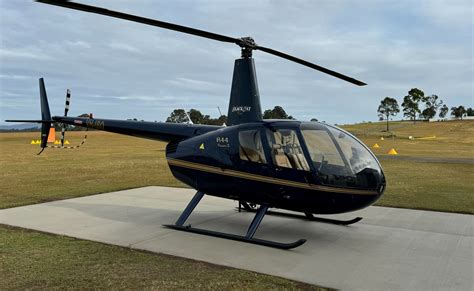
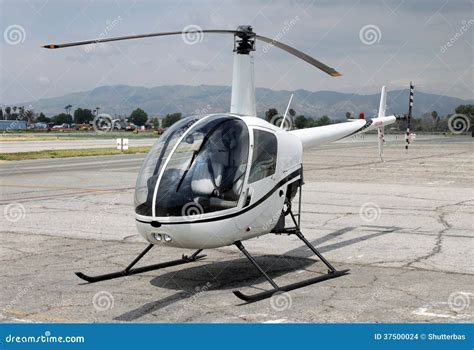
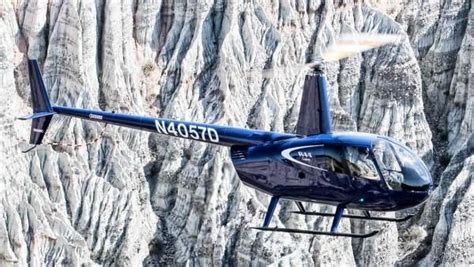
Fly in lower-cost aircraft such as the Robinson R22 for initial training
-
Inquire about veteran benefits, especially GI Bill coverage for advanced ratings
-
Explore National Guard aviation units for part-time military options
Long-Term Financial Outlook
While the upfront cost is steep, the return on investment (ROI) depends on the pilot’s long-term goals. Those who persist to fly EMS, utility, or offshore missions can earn a strong living with benefits. On the other hand, the debt burden from civilian schooling can take 8–12 years to fully pay off without rapid income progression.
Fixed-wing careers, especially with major airlines, offer substantially higher long-term earnings, leading some helicopter pilots to transition later in their careers. Still, for those motivated by adventure, service, and specialized missions, helicopters offer a career unlike any other.
FAQ: Cost to Become a Helicopter Pilot
How much does it cost to become a helicopter pilot in the U.S.?
The total cost typically ranges from $70,000 to $150,000, depending on the flight school, aircraft type, and whether it is Part 61 or Part 141 certified. Lower-cost options exist, but they often require more self-direction and flexible scheduling.
Is military flight training completely free?
Yes, military programs such as the Army Warrant Officer Flight Training (WOFT) offer completely funded flight training plus salary, housing, and benefits. However, they require a long-term service commitment, often 6 to 10 years.
Is becoming a helicopter pilot financially worth it?
It depends on your goals. While initial salaries are low, experienced pilots in sectors like EMS, firefighting, and offshore operations can earn well over $100,000/year. However, it takes several years and a significant initial investment or service period to reach that level.