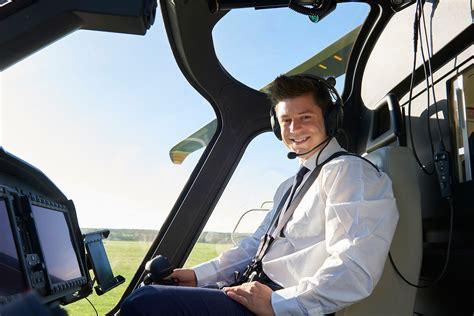
Why Choose a Career as a Commercial Helicopter Pilot
Pursuing a career as a commercial helicopter pilot is both an aeronautical challenge and a gateway to a dynamic profession that offers variety, excitement, and prestige. From navigating mountainous terrain during search and rescue missions to piloting tourists over majestic landscapes, helicopter pilots operate in roles that demand both skill and adaptability. Unlike fixed-wing aviation, helicopters offer vertical takeoff and landing capabilities, making them indispensable in industries such as emergency medical services, utility work, law enforcement, and VIP transport.
While the training journey is rigorous, it’s a highly achievable path for individuals who commit themselves to structured learning and consistent flight practice. This article outlines the step-by-step pathway to acquiring your Commercial Helicopter Pilot License (CHPL) under FAA regulations, with deep insights into flight requirements, examinations, costs, and job prospects.

Minimum Requirements for a Commercial Helicopter Pilot License
To begin the journey toward becoming a commercial helicopter pilot, you must first meet the following foundational criteria:
-
Be at least 18 years old
-
Demonstrate fluency in reading, writing, and speaking English
-
Provide proof of legal identity and age
-
Hold a Second-Class FAA Medical Certificate—this ensures you’re medically fit for commercial operations and meets higher health standards than the Third-Class certificate
-
Possess a Private Pilot’s License for Rotorcraft (Helicopter)
These prerequisites lay the groundwork for more advanced flight training and testing.
The Path to a Commercial Helicopter License
Before training at a commercial level, you must already have completed private pilot training. From there, the next step is accumulating a minimum of 150 total flight hours, which includes 100 hours in helicopters. The remaining hours can be partially fulfilled through fixed-wing aircraft, though helicopter-specific hours are prioritized.
Flight experience requirements include:
-
5 hours of instrument training using reference-only instruments
-
One 2-hour VFR (Visual Flight Rules) cross-country helicopter flight by day, with a straight-line distance of at least 50 nautical miles
-
One 2-hour VFR cross-country helicopter flight by night, also at least 50 nautical miles
-
3 hours of preparation flights for the practical test, completed within 60 days of the test
-
10 hours of solo helicopter flight time, including:
-
One solo cross-country flight with a minimum of three landings and one leg over 50 NM
-
5 hours of solo night flying with at least 10 takeoffs and landings in traffic patterns
These structured experiences are designed to ensure that future commercial pilots can safely and confidently manage real-world scenarios.
Enrolling in a Commercial Helicopter Course
Choosing the right FAA-certified helicopter flight school is essential. You can select a local academy or relocate to a school with a strong reputation and fleet diversity. During the course, you’ll:
-
Complete any remaining hour-building flights to meet the 150-hour requirement
-
Practice advanced maneuvers, such as confined area landings, autorotations, and emergency procedures
-
Develop weather assessment skills and go/no-go decision-making protocols, which are critical for safe operations in variable environments
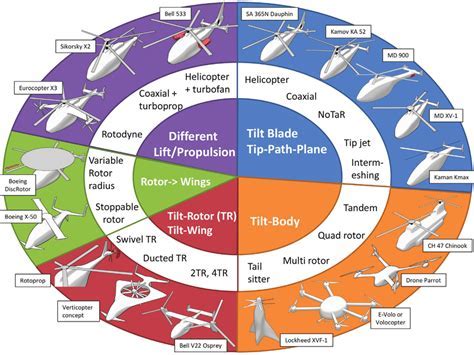
The Written Knowledge Test
To qualify for your checkride, you must first pass the FAA Commercial Helicopter Written Exam. The exam consists of 100 multiple-choice questions drawn from a pool of over 1,000 possible questions. Candidates have 3 hours to complete the test.
Topics covered include:
-
Federal Aviation Regulations (FARs) specific to commercial operations
-
Aerodynamics and helicopter-specific flight mechanics
-
Airspace navigation and chart interpretation
-
Instrument understanding, even for non-instrument rated pilots
-
Aviation Weather Services: decoding METARs, TAFs, and radar forecasts
-
Weight and balance calculations
We strongly recommend enrolling in a structured ground school program, either online or in person, to ensure mastery of the required knowledge areas.
Oral and Practical Checkride Exams
After the written exam, your Certified Flight Instructor (CFI) will prepare you for the oral exam and practical flight test, collectively known as the checkride. The oral portion assesses your:
-
Decision-making under different flight scenarios
-
Understanding of aircraft systems
-
Ability to plan cross-country flights and assess weather risks
The practical test demonstrates your ability to handle the helicopter confidently and includes maneuvers like:
-
Steep turns
-
Simulated engine failures
-
Emergency landings
-
Hovering autorotations
Upon successful completion, you will officially hold your Commercial Helicopter Pilot License.
Career Opportunities in Commercial Helicopter Aviation
The aviation job market for helicopter pilots is both competitive and diverse. While new commercial pilots often face the challenge of minimal real-world experience, many employers offer entry-level roles to candidates who demonstrate enthusiasm and commitment.
Career paths include:
-
Aerial news coverage
-
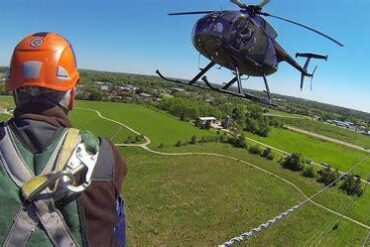
Utility operations such as powerline inspection
-
Law enforcement aviation units
-
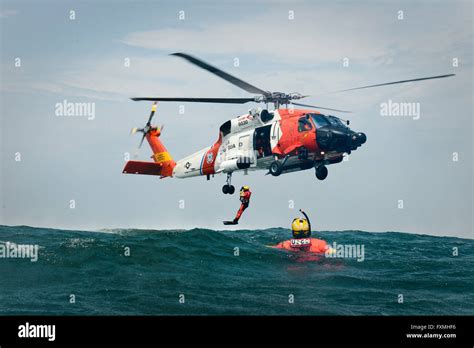
Search and Rescue operations for the Coast Guard or firefighting services
-
Heli-skiing and heli-logging in mountainous terrain
-
Tour pilots for destinations like the Grand Canyon, Alaska, or Hawaii
-
VIP and corporate aviation services
Persistence is key. Building relationships with local operators and making in-person visits often opens doors.
Enhancing Your Credentials
To improve employment prospects, many pilots pursue advanced certifications:
-
Certified Flight Instructor (CFI) Rating ($8,000–$10,000): Enables you to train private and commercial students while logging paid flight hours
-
Helicopter Instrument Rating (~$16,000): Equips you to fly safely in Instrument Meteorological Conditions (IMC)
-
Airline Transport Pilot Helicopter License (ATPL-H): The highest FAA helicopter rating, typically pursued after significant industry experience
These additional ratings make pilots more versatile and desirable to a broader range of employers.
Timeframe and Financial Investment
The process to become a commercial helicopter pilot is both time-intensive and costly. However, the investment is proportionate to the high level of technical proficiency required.
-
Training Duration: 2 to 6 months with full-time dedication; longer for part-time students
-
Cost Breakdown:
-
Commercial License: $18,000 to $20,000 (up to $28,500 depending on location and aircraft)
-
Flight Instructor Course: $8,000–$10,000
-
Instrument Rating: ~$16,000
Pilots should also account for expenses such as books, gear, exam fees, and potential relocation to training centers with available helicopters.
Conclusion: Is It Worth It?
A career as a commercial helicopter pilot is undoubtedly demanding—but for those passionate about flight, it offers one of the most exhilarating and rewarding aviation pathways. You’ll be entrusted with operating high-performance machines in complex airspace, often making mission-critical decisions in real time.
From the mountains of British Columbia to the urban skies over Manhattan, helicopter pilots serve in roles where precision, confidence, and calm under pressure are essential. If you’re drawn to the freedom of rotorcraft flight, the effort and financial investment pay dividends in professional fulfillment and lifestyle.
Frequently Asked Questions (FAQ)
How long does it take to become a commercial helicopter pilot?
It typically takes between 2 to 6 months for full-time students to complete the necessary training and flight hours. Part-time learners may require up to a year, depending on availability and schedule flexibility.
Can I become a commercial helicopter pilot without a college degree?
Yes, a college degree is not required to earn a Commercial Helicopter Pilot License. What matters most is flight proficiency, passing exams, and obtaining the necessary FAA certifications.
What kind of salary can I expect as a new helicopter pilot?
Entry-level salaries range from $35,000 to $55,000 annually, depending on the role and employer. With more flight time and advanced certifications, experienced pilots can earn $70,000 to over $120,000, particularly in corporate or offshore roles.