Understanding the Commercial Pilot Path Without a College Degree
Becoming a commercial pilot without a college degree is not only possible—it’s increasingly common in today’s aviation landscape. While major airlines may favor candidates with degrees, the aviation industry prioritizes skills, experience, and certifications. In this guide, we explore in detail how aspiring aviators can achieve commercial pilot status through strategic training, licensing, and flight hours—without ever setting foot in a university classroom.
What Defines a Commercial Pilot?
A commercial pilot is licensed to operate aircraft for compensation or hire. This includes roles in cargo transport, private charters, firefighting operations, agricultural flights, and regional airline routes. Unlike private pilots, who cannot legally accept payment, commercial pilots are professionals whose services are compensated under FAA regulations.
Commercial pilots must exhibit proficiency, accountability, and technical knowledge, regardless of their academic background. Employers focus heavily on flight experience, certifications, and operational reliability rather than educational degrees alone.
Do You Need a Degree? Breaking Down the Misconception
A widespread myth is that a bachelor’s degree is mandatory to become a commercial pilot. This is categorically false. The Federal Aviation Administration (FAA) does not require a college degree for any pilot certification level, including the Commercial Pilot License (CPL).
Where the degree tends to matter is in hiring preferences:
-
Regional airlines often hire pilots based solely on accumulated hours and certifications.
-
Major airlines, such as Delta or United, may list a bachelor’s degree as “preferred,” but this is not a requirement.
This means individuals with comprehensive flight experience, strong training backgrounds, and impeccable safety records are competitive—with or without degrees.
The Key Requirements to Become a Commercial Pilot
To earn a Commercial Pilot License (CPL), candidates must fulfill several standardized criteria:
-
Be at least 18 years old
-
Speak, read, and understand English proficiently
-
Hold a second-class medical certificate issued by an FAA-authorized Aviation Medical Examiner (AME)
-
Pass all FAA written and practical exams
-
Log a minimum of 250 hours of varied flight time, including:
-
100 hours as pilot-in-command
-
50 hours of cross-country flight
-
10 hours of instrument training
-
10 hours in a complex or technically advanced aircraft
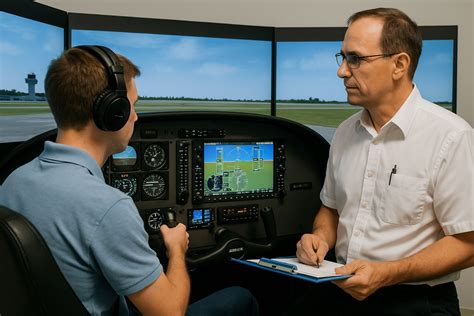
These milestones can be achieved entirely outside of a university environment through Part 61 or Part 141 flight schools.
Choosing the Right Flight School Path
Flight training institutions offer two core tracks:
-
Part 61 schools offer flexibility, allowing training at the student’s pace. Ideal for working adults or those seeking a customizable schedule.
-
Part 141 schools follow a structured syllabus approved by the FAA and may reduce required flight hours due to rigorous training oversight.
Well-known non-collegiate programs such as ATP Flight School, FlightSafety Academy, and Sheltair Aviation provide robust CPL training without requiring degree enrollment.
Building Hours and Gaining Experience
The aviation job market prioritizes flight time and quality experience. After earning a CPL, aspiring pilots often pursue jobs such as:
-
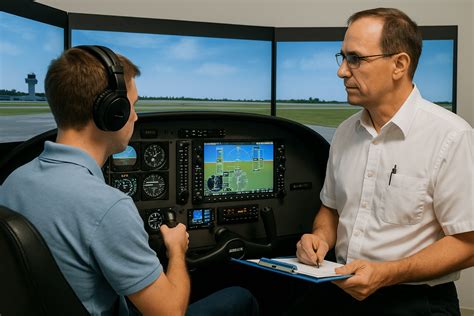
Flight Instructor (CFI): One of the fastest ways to build hours and gain experience
-
Banner towing or aerial photography
-
Agricultural or firefighting operations
-
Corporate or private charter services
These roles allow pilots to gradually reach 1,500 total flight hours, the threshold to apply for an Airline Transport Pilot (ATP) certificate—a prerequisite for major airline hiring.
Skills and Attributes That Matter More Than a Degree
While a degree might demonstrate academic discipline, practical competencies are far more critical in aviation:
-
Adaptability: Reacting to rapidly changing weather or system scenarios
-
Situational awareness: Remaining alert to environmental and airspace conditions
-
Confidence: Making decisions under pressure
-
Multitasking: Managing cockpit responsibilities, radio communications, and navigation simultaneously
-
Math and physics knowledge: Vital for understanding weight and balance, fuel calculations, and flight performance
-
Teamwork: Collaborating effectively with crew, ATC, and ground personnel
These skills are developed through hands-on flight experience, not college lectures.
The Financial Consideration: Cost vs. College
On average, obtaining a CPL through flight school costs between $70,000 and $90,000. Although this is a significant investment, it can be lower than a four-year university degree—especially when one considers:
-
No general education requirements
-
No student loan interest from multi-year tuition
-
Faster time to employment, often within 2–3 years of training commencement
Scholarships, GI Bill benefits, and financing options help many trainees manage costs without taking on traditional student debt.
Pilot Salaries and Career Outlook
According to Indeed, the average annual salary for commercial pilots is $104,153, with higher earnings for those flying larger aircraft or working for international carriers.
-
Regional pilots may earn $40,000–$70,000 early in their career
-
Charter and corporate pilots typically earn $60,000–$100,000
-
Major airline captains can exceed $200,000+ annually after reaching seniority levels
The U.S. Bureau of Labor Statistics projects a 5% job growth rate for commercial pilots over the next decade. This trend is fueled by growing demand in sectors like:
-
Medical transport
-
Agricultural aviation
-
Private luxury charters
This expansion opens doors to non-degree holders, particularly in underserved or emerging markets.
Advantages of Skipping the Degree Route
There are significant upsides to bypassing the traditional college path:
-
Faster career start: Many pilots begin paid work within two years
-
Cost savings: Lower tuition burden and no dormitory or textbook costs
-
Targeted learning: All training is directly applicable to flight operations
-
Higher early earnings: Entry-level pay starts earlier compared to college graduates
-
Real-world experience: Flight instructors and early-career roles develop in-flight confidence quickly
When a Degree Might Still Be Worth Considering
While not essential, pursuing a degree might still be strategic for pilots who:
-
Plan to apply to top-tier international airlines
-
Want to qualify for aviation management or safety roles in the future
-
Prefer a broader academic foundation for long-term flexibility
Hybrid programs, such as Embry-Riddle Aeronautical University’s online degrees, let working pilots obtain degrees remotely while flying full-time.
Frequently Asked Questions
Can I become a commercial pilot with only a high school diploma?
Yes. As long as you meet FAA requirements and complete the necessary training, a high school diploma is sufficient to earn a Commercial Pilot License (CPL).
Will not having a degree limit my airline career?
Not necessarily. While major airlines may prefer candidates with degrees, many regional airlines and private operators prioritize flight hours, safety records, and performance. Many pilots are hired without degrees, especially when demand is high.
What’s the fastest way to become a commercial pilot without a degree?
Enroll in a reputable Part 141 flight school, train full-time, obtain your PPL, CPL, and CFI licenses, then build hours as a flight instructor. This path can lead to airline eligibility in as little as 24–30 months.