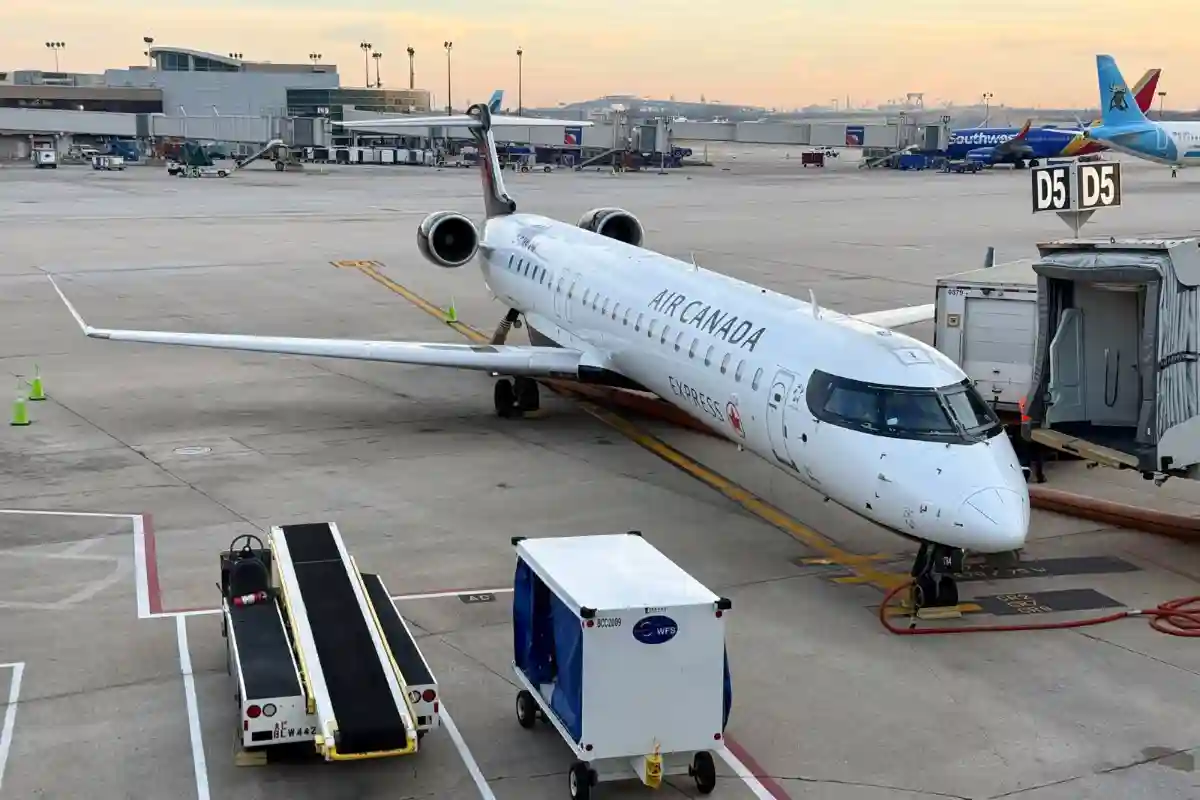
Air Canada is reshaping its US transborder network, with five routes disappearing from its schedule from August 2026 onward. The changes come as the airline responds to weaker demand, shifting travel patterns, and a challenging political and economic environment affecting Canada-US air travel. While Air Canada remains the dominant carrier between the two countries, its recent traffic performance shows why the network is being adjusted.
According to US Department of Transportation data covering the 12 months through May 2026, Air Canada carried approximately 10.4 million round-trip passengers between Canada and the United States, giving it a 37% share of the large Canada-US market. However, the airline’s transborder traffic declined by 17% year over year, a sharper contraction than the overall market’s 12% decline. WestJet also experienced a significant reduction, falling 21%, highlighting the broader pressure facing Canadian airlines.
The latest route analysis, based on OAG schedules covering services operated between January 2025 and July 2026 and planned schedules from August 2026 through June 2027, identifies five US markets that Air Canada has removed from its network. Some disappear permanently, while others reflect temporary seasonal or strategic suspensions. The distinction matters because several seemingly canceled routes are already scheduled to return in 2027.
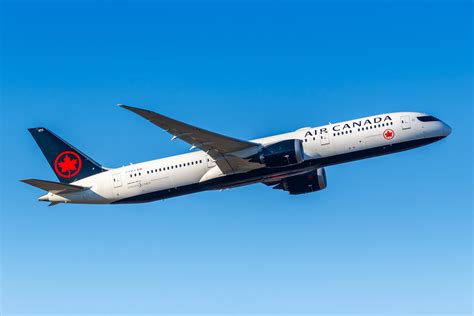
Air Canada Ends Five US Routes From Its Network
The five routes affected are Montréal-New Orleans, Ottawa-Tampa, Vancouver-Tampa, Toronto-New York JFK, and Montréal-New York JFK. The changes represent a mixture of underperforming markets, network consolidation, and airport strategy.
Air Canada’s Montréal-Trudeau International Airport to New Orleans service is one of the clearest examples of a route that struggled to generate sufficient demand. Air Canada Express launched the 1,211-nautical-mile connection in February 2023 using a 76-seat CRJ900. The service later shifted between Air Canada Express, Air Canada Rouge, and mainline Air Canada, with aircraft including the Embraer E175, Airbus A319, and Airbus A220-300.
Between February 2023 and March 2025, DOT data recorded just 21,871 round-trip passengers on the Montréal-New Orleans route. The average load factor was only 67.7%, while January 2024 was particularly weak, with aircraft operating at just 43.9% seat occupancy. Such figures make it difficult for a premium-oriented network carrier to justify maintaining a relatively specialized transborder connection.
The airline also ended Ottawa-Tampa in April 2025, while Vancouver-Tampa disappeared in November 2025. Neither route is currently scheduled to return. Ottawa-Tampa retains nonstop service from Porter Airlines, meaning travelers still have an alternative carrier in that market. The removal of both Tampa routes reflects the difficulty of maintaining capacity in leisure markets when demand does not support year-round service.
New York JFK Consolidation Changes Air Canada’s Strategy
Air Canada’s withdrawal from New York JFK is more strategic than simply a route cancellation. The airline has consolidated its New York operations at Newark Liberty International Airport and LaGuardia Airport, ending both Toronto Pearson-JFK and Montréal-JFK service in May 2026.
The move gives Air Canada a more focused presence in the New York metropolitan area. Newark is particularly important because it provides strong access to Star Alliance connectivity through United Airlines, while LaGuardia serves a different segment of the New York market. Rather than maintaining multiple airports with overlapping Canadian services, Air Canada is concentrating its operations where it sees greater strategic value.
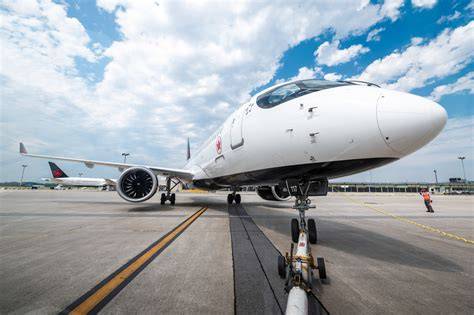
Three US Routes Will Return in 2027
Not every route disappearing from the current schedule is gone for good. Air Canada plans to restore three transborder routes in 2027, providing an important qualification to the headline of widespread cuts.
Toronto Pearson to Salt Lake City will return in June 2027 after the route last operated in July 2026. Higher jet fuel prices were reportedly among the factors influencing the temporary suspension. When service resumes, Air Canada plans to use the Airbus A220-300, an aircraft well suited to medium-distance transborder flying because of its relatively efficient economics and right-sized capacity.
Montréal to Seattle-Tacoma is scheduled to return in May 2027. Air Canada last operated the long transborder connection in October 2025, and the reinstated service will also use the A220-300. Vancouver to Raleigh-Durham is likewise scheduled to resume in May 2027, although the route will be operated with the Boeing 737 MAX 8.
These returns suggest that Air Canada’s current network changes are not simply a retreat from the US market. Instead, the carrier appears to be adjusting capacity according to seasonal demand and profitability while preserving markets it believes can perform better under different conditions.
Air Canada Adds a New Florida Route
While five routes have disappeared, Air Canada is also preparing to add another US connection. From October 26, 2026, the airline is scheduled to launch Montréal-Fort Myers service, operating twice weekly with the Airbus A220-300.
The Florida route is notable because Air Canada previously served Fort Myers from Montréal, with the market last seeing the carrier in 2023. Its return indicates that the airline continues to see opportunities in leisure-focused transborder markets even while cutting weaker routes elsewhere.
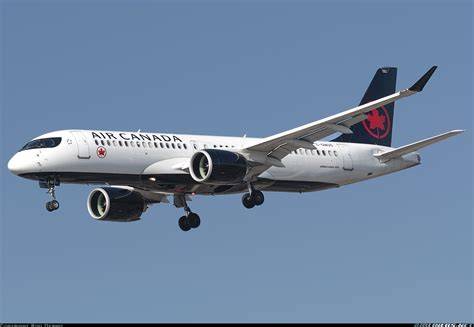
What the Air Canada US Route Cuts Mean
The latest changes reveal a more selective approach to the Canada-US market. Air Canada remains by far one of the largest players in transborder aviation, but 17% traffic decline demonstrates that simply maintaining an extensive schedule is no longer enough. Routes must generate sufficient demand, appropriate yields, and sustainable aircraft utilization.
The network changes also show how aircraft selection is becoming increasingly important. The A220-300 appears repeatedly in Air Canada’s plans for markets such as Salt Lake City, Seattle, and Fort Myers, while the 737 MAX 8 will serve Raleigh-Durham. Smaller regional aircraft previously used on weaker routes, meanwhile, could not always overcome insufficient passenger demand.
For travelers, the biggest immediate impact will be the loss of nonstop options on the five discontinued markets. However, passengers should also distinguish between permanent withdrawals and temporary suspensions, because Salt Lake City, Seattle, and Raleigh-Durham are expected to return in 2027.
Air Canada’s latest schedule therefore represents less of a wholesale retreat from the United States and more of a strategic reshaping of its transborder network. The airline is removing routes that have struggled, consolidating its New York footprint, restoring selected markets when conditions improve, and adding capacity where it sees stronger opportunities.