In a world where geopolitical tensions can erupt at any moment, airlines must stay vigilant, adaptable, and ready to act decisively. The recent conflict between Israel and Iran has underscored this reality, with Vietnam Airlines emerging as a prime example of how quick and strategic route adjustments can safeguard passengers and crew while maintaining critical international connections. The airline’s proactive response has not only ensured operational continuity but has also illuminated the broader challenges that global carriers face in navigating volatile airspaces.
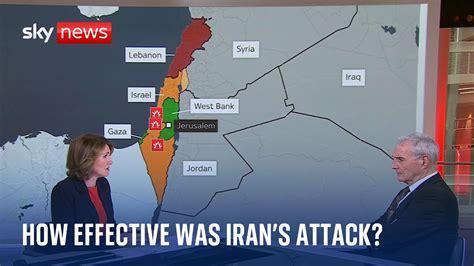
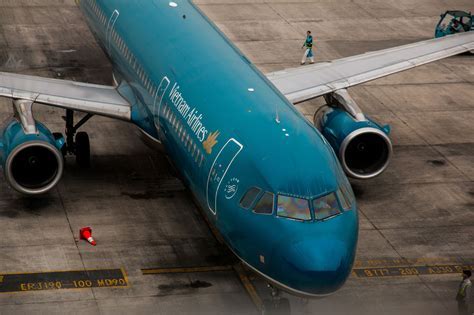
Vietnam Airlines wasted no time in recalibrating its flight operations in the wake of escalating hostilities between Israel and Iran. Recognizing the severe risks posed by flying over conflict zones, the airline swiftly redirected its routes to avoid dangerous airspaces, particularly over Israeli, Iranian, Iraqi, and Jordanian territories. This move was not merely a precaution; it was a vital act of responsibility aimed at minimizing exposure to potential threats while upholding its commitment to passenger safety. Despite these disruptions, the carrier confirmed that its European routes would proceed as planned, reassuring travelers that their journeys would continue with minimal interruption.
The Aviation Sector’s Adaptive Response to Geopolitical Turbulence
The response from Vietnam Airlines was mirrored across the Vietnamese aviation industry. Carriers such as Vietjet Air, Bamboo Airways, and Vietravel Airlines also rerouted their flights to skirt the increasingly hazardous Middle Eastern airspaces. This collective, sector-wide reaction highlights the aviation industry’s shared priority: to protect passengers, crew, and assets from the fallout of geopolitical instability. In doing so, these airlines reinforced their role as stewards of safety, even as they faced rising fuel costs, longer flight durations, and significant logistical challenges.
The ramifications of the Israel-Iran conflict have not been limited to airlines based in or near the region. Carriers operating long-haul routes between Europe, Asia, and the Americas have had to rethink flight paths, often adding considerable time and distance to their journeys. With Iraqi airspace closed as of June 13, 2025, followed swiftly by Jordan’s airspace shutdown, airlines scrambled to find alternatives that would ensure both safety and efficiency. These closures severed vital aerial corridors linking Europe to the Gulf and Asia, leading to widespread operational disruptions.
Real-Time Decisions Driven by Technology and Expertise
The agility demonstrated by airlines amid this crisis has been powered by advanced flight tracking technologies and expert decision-making. Tools like Flightradar24 have enabled real-time monitoring of airspace conditions, helping carriers assess threats and adjust routes accordingly. Such technologies have become indispensable in modern aviation, where seconds can make the difference between safety and catastrophe. Vietnam Airlines, alongside its peers, has leveraged these capabilities to map safer, albeit longer, flight paths while balancing operational costs against the non-negotiable priority of safety.
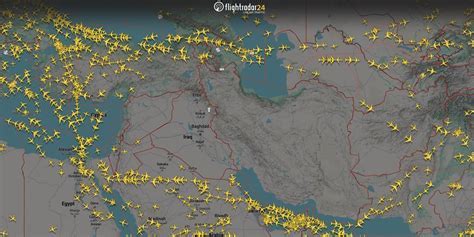
This reliance on cutting-edge tracking and communication systems underscores a critical point: the fusion of technology and human expertise is what enables airlines to navigate the complexities of geopolitical crises. Operational teams work round the clock, analyzing dynamic data streams to make swift, informed decisions. These decisions ripple across the network, affecting flight times, crew schedules, and even airport logistics, but they are essential to preserving the trust and safety of passengers.
Rising Costs and the Economic Toll of Rerouted Flights
The rerouting of flights to avoid Middle Eastern airspaces has come at a steep price. Longer routes translate directly into higher fuel consumption, increased wear on aircraft, and more intensive crew scheduling challenges. Airlines are grappling with these mounting costs while striving to keep ticket prices stable for passengers already weary of travel disruptions. The closure of Iraqi and Jordanian airspaces, in particular, has forced airlines into less direct paths, with ripple effects on delivery schedules for cargo flights and supply chains.
For Vietnam Airlines, the economic burden is compounded by the need to maintain reliability in a highly competitive market. Despite these challenges, the airline’s commitment to safety has remained unwavering. This balancing act — between economic realities and operational integrity — reflects the broader struggles faced by the aviation industry in a world increasingly shaped by political instability.
Passenger Confidence and the Importance of Transparent Communication
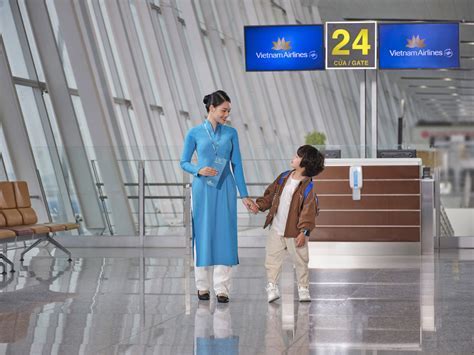
In times of crisis, clear and transparent communication becomes as vital as technical adjustments. Vietnam Airlines has worked diligently to reassure passengers that safety remains the cornerstone of its operations. By promptly issuing statements, providing updated travel advisories, and coordinating with international aviation authorities, the airline has sought to maintain confidence among travelers. This approach not only mitigates passenger anxiety but also strengthens the airline’s reputation for responsibility and professionalism.
The broader lesson for the aviation industry is clear: in an era of heightened geopolitical risks, passenger trust is earned through actions as much as words. Every decision — from route changes to real-time updates — contributes to a perception of safety and reliability that will shape future passenger choices.
A Global Industry Tested by Regional Conflicts
While the Israel-Iran conflict is geographically concentrated, its effects have rippled across the globe, testing the resilience of the international aviation industry. The challenges faced by Vietnam Airlines and its counterparts serve as a case study in the complexities of modern air travel in a fractured world. From the closure of strategic airspaces to the need for costly rerouting, airlines have had to demonstrate agility, technological sophistication, and an unwavering commitment to safety.
Looking ahead, the aviation industry will need to double down on risk assessment protocols, strengthen partnerships with geopolitical experts, and continue investing in technologies that enable faster, more precise operational decisions. The lessons drawn from this crisis will no doubt shape how airlines plan, prepare, and respond to future geopolitical shocks.
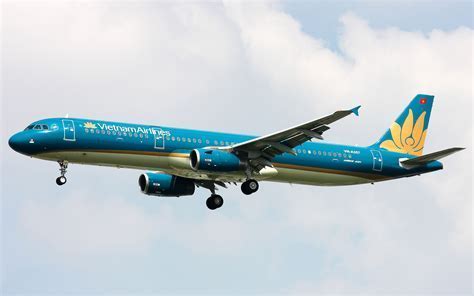
As tensions in the Middle East continue to simmer, and with new risks emerging in other regions, the world’s airlines — led by decisive actors like Vietnam Airlines — will need to stay one step ahead. The ability to adapt, innovate, and communicate effectively will remain the key to safe and reliable global air travel in an increasingly unpredictable world.