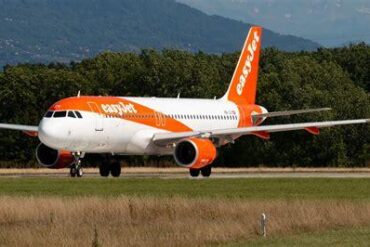
In an era where air travel is more accessible than ever, the importance of passenger safety cannot be overstated. EasyJet, a prominent player in the European low-cost airline market, consistently demonstrates an unwavering commitment to ensuring the safety and well-being of its passengers. This commitment was starkly highlighted on June 16, 2025, when an EasyJet flight (U2) encountered a mid-air emergency during its journey from Geneva (GVA) to Edinburgh (EDI). This incident, which involved a bird strike shortly after takeoff, serves as a compelling case study of how EasyJet prioritizes safety over operational schedules.
The Incident: Bird Strike and Technical Issues
On a seemingly routine flight, disaster struck just minutes after takeoff when the aircraft experienced a bird strike. This unfortunate event resulted in significant technical issues that prompted the flight crew to follow established emergency protocols. Rather than risking further complications, the pilots made the decisive choice to return to Geneva Airport, ultimately landing safely approximately 40 minutes post-departure. This scenario underscores the airline’s dedication to passenger safety, emphasizing that when faced with urgent situations, the welfare of those onboard is always the top priority.
EasyJet’s Response: A Model of Communication and Care
Following the incident, EasyJet swiftly issued an official statement confirming the nature of the emergency. The airline reassured passengers that the bird strike had caused a defect that could not be quickly resolved, reiterating their steadfast commitment to safety. Affected passengers were promptly informed about the cancellation of the flight and offered various rebooking options. EasyJet’s customer service team provided timely assistance, guiding travelers through alternative arrangements to minimize the impact of the disruption.
A Pattern of Emergency Landings
The emergency landing on June 16 was not an isolated incident for EasyJet. Just two days prior, on June 14, another EasyJet flight (EZY2902), operating an Airbus A320 from Paphos (PFO) to Bristol (BRS), declared an emergency due to a smoke-like smell detected in the cabin. The flight crew’s immediate action led to a precautionary diversion, landing safely at Izmir Adnan Menderes Airport (ADB) in Turkey, where emergency services awaited the aircraft’s arrival. Fortunately, all passengers were evacuated without any reported injuries.
The very next day, on June 15, EasyJet flight U22275, traveling from Manchester (MAN) to Enfidha-Hammamet (NBE), also faced unforeseen circumstances that necessitated a diversion to Paris Orly Airport (ORY) in France. Again, emergency teams were on standby, and the situation was handled effectively with no injuries reported. These incidents collectively illustrate the challenges airlines face while managing technical malfunctions and environmental factors during flights.
Safety Protocols and Emergency Preparedness
These recent emergencies underscore EasyJet’s strict adherence to safety protocols designed to respond effectively to various in-flight situations. Each crew member involved acted decisively, demonstrating professionalism and a thorough understanding of emergency procedures. The airline’s commitment to passenger safety is evident in its proactive stance on training and preparing its flight crews to handle unexpected challenges.
In light of these incidents, it is essential to recognize the broader context of airline safety in modern aviation. While emergencies remain relatively rare, they serve as poignant reminders of the need for airlines to maintain the highest safety standards. EasyJet, like many carriers, continuously refines its safety protocols, focusing on aircraft maintenance and crew training as paramount priorities.
The Balance Between Safety and Operational Efficiency
The recent events also highlight the increasing pressure on airlines to balance safety with operational efficiency. Technical malfunctions can arise from various sources, including bird strikes, mechanical failures, and adverse weather conditions. In the case of bird strikes, which are unfortunately unavoidable in aviation, EasyJet has implemented preventive measures to mitigate risks.
The airline has made clear its pledge to prioritize passenger well-being. When technical issues arise, such as those caused by bird strikes, EasyJet ensures that affected travelers are kept informed and provided with timely solutions for rebooking or compensation. Although cancellations can be disappointing for passengers, the airline’s transparent communication helps alleviate confusion and frustration.
Ongoing Challenges in Airline Operations
The series of incidents involving EasyJet flights encapsulates the ongoing challenges airlines encounter in maintaining operational safety. Aircraft are subject to a myriad of risks, from environmental factors to complex mechanical issues. EasyJet and its counterparts are continually improving maintenance procedures and enhancing crew training programs to ensure that such incidents are handled safely and effectively.
Prioritizing Safety Above All Else
In an industry often characterized by tight schedules and high passenger volumes, EasyJet’s handling of recent emergencies reinforces the imperative of prioritizing safety. While disruptions to flight schedules can undoubtedly cause frustration for travelers, incidents like the one in Geneva illustrate the airline industry’s overarching commitment to passenger welfare. EasyJet’s prompt actions and proactive communication reflect its dedication to putting safety above operational expediency.
Customer Satisfaction Through Safety Commitment
As EasyJet navigates the complexities of aviation and addresses in-flight emergencies, the airline’s unwavering commitment to safety remains apparent. The professionalism exhibited by the flight crews during these incidents ensures that aircraft land safely and passengers are well-informed throughout the process. By prioritizing safety and maintaining high standards of communication, EasyJet is committed to providing passengers with a secure and positive experience despite the operational difficulties that may arise.
Staying Informed in an Evolving Industry
As the aviation landscape continues to evolve, it is crucial for passengers and industry professionals alike to stay informed about airline safety and emergency procedures. The incidents involving EasyJet flights underscore the significance of being prepared for unforeseen circumstances during air travel. Travelers are encouraged to keep up-to-date with the latest developments and safety protocols, whether they choose to fly with EasyJet or other airlines. Being well-informed about airline safety measures can enhance travelers’ peace of mind when taking to the skies.
Conclusion: EasyJet’s Resilience and Commitment to Safety
The recent emergency landings by EasyJet illuminate the unpredictable nature of air travel while simultaneously highlighting the airline’s swift and effective response. EasyJet’s commitment to passenger safety and operational integrity remains unwavering, as evidenced by the decisive actions taken by flight crews and the transparent communication with affected travelers. As the aviation industry confronts new challenges, EasyJet’s handling of these incidents serves as a testament to the airline’s dedication to ensuring a safer, more reliable future for air travel.