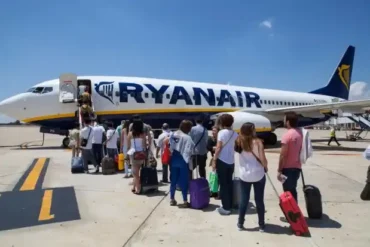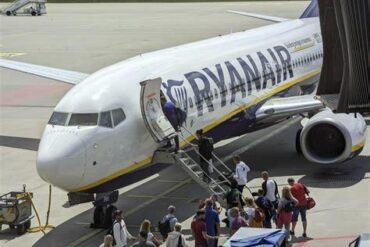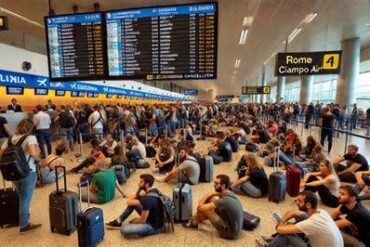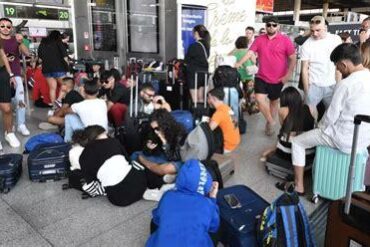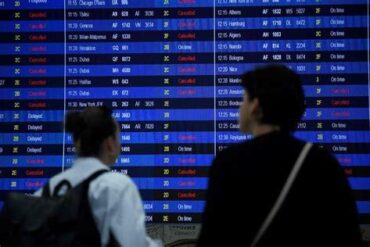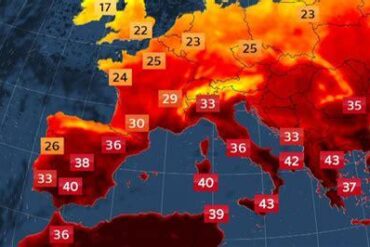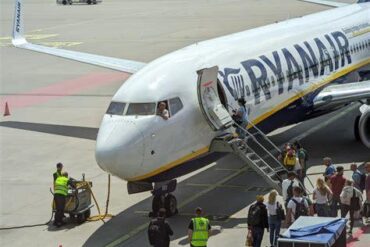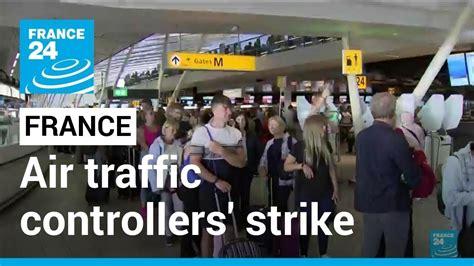
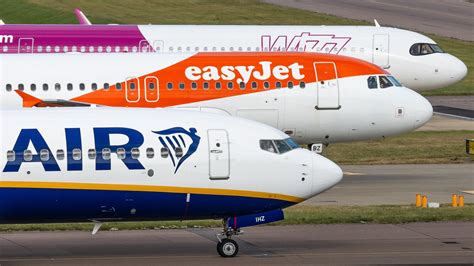
The European summer travel season—a time typically defined by sunny skies and buzzing airports—has been dealt a stunning blow. A two-day air traffic control (ATC) strike that began on July 3, 2025, in France has quickly expanded its shockwaves throughout southern Europe, affecting thousands of passengers and grounding over 1,500 flights. The strike, involving air traffic controllers in France, Spain, Portugal, and Morocco, has disrupted the schedules of major airlines including Ryanair, easyJet, Air France, and Aer Lingus, stranding vacationers and rerouting planes in a sweeping display of coordinated labor unrest.
Roots of the Unrest: A System Under Pressure
The ongoing strike is being spearheaded by French unions UNSA-ICNA and USAC-CGT, both of which have leveled harsh criticism at the French Directorate General for Civil Aviation (DGAC). The central complaints revolve around chronic understaffing, aging radar systems, and what union leaders label as a “toxic management culture”. ATC workers argue that their voices have long gone unheard, and the strike is an unavoidable consequence of years of bureaucratic inertia and failed reform.
At the core, the strike is not just about pay—it’s about safety, infrastructure, and the mounting pressure on a system expected to manage one of the world’s busiest airspaces with insufficient support. With air traffic in Europe expected to soar this summer, the absence of a reliable control framework could spell lasting operational turmoil.
Disruption at Scale: Key Airports Paralyzed
France’s skies have effectively become a choke point for European aviation. The DGAC mandated reductions in flight schedules at airports nationwide, with devastating consequences for key international gateways:
- Paris Charles de Gaulle, Orly, and Beauvais–Tillé: Facing 25% flight cuts, these Parisian airports—vital hubs for international travel—are now ground zero for rerouting chaos. Flights to major destinations in the UK, Italy, Spain, and Germany have been slashed, forcing airlines to scramble for alternative routes.
- Nice, Bastia, and Calvi: In these critical Mediterranean connectors, more than 50% of flights have been canceled, especially those linking travelers to Italy, Spain, and Morocco. For those eyeing the French Riviera, the scene at these airports is bleak.
- Lyon, Marseille, Montpellier, Ajaccio, and Figari: With 30% service reductions, these regional airports, often used for connecting flights, are contributing to a cascading series of delays and missed connections throughout the continent.
Airlines in Turmoil: Ryanair, easyJet, and More Take the Hit
The impact has been wide and severe, especially for low-cost and regional carriers that depend heavily on punctuality and volume. Airlines are now implementing emergency plans, including rerouting, issuing mass refunds, and attempting to rebook thousands of affected passengers.
Ryanair
- Flights Cancelled: ~400
- Passengers Affected: Over 70,000
- Core Issue: Ryanair’s biggest concern lies not in direct flights to France but rather in overflights, where planes merely pass through French airspace. Many of these were diverted or grounded, particularly those linking Spain, Italy, and the UK. The airline has publicly condemned the timing and scale of the strike, calling for better international coordination to avoid such disruptions in the future.
easyJet
- Flights Cancelled: 280+
- Routes Impacted: Primarily short-haul flights to/from France, especially affecting families and vacationers during the busy holiday period.
- Customer Response: Passengers have been advised to frequently check updates via the app or website. Alternative flights are scarce due to the timing.
Air France
- Domestic Focus: The airline has shifted emphasis toward long-haul routes, resulting in cancellations on domestic and European lines—including those to Nice, Bordeaux, London, and Amsterdam.
- Passenger Priority: Priority has been given to international and transatlantic travelers, though customer frustration continues to mount.
Aer Lingus
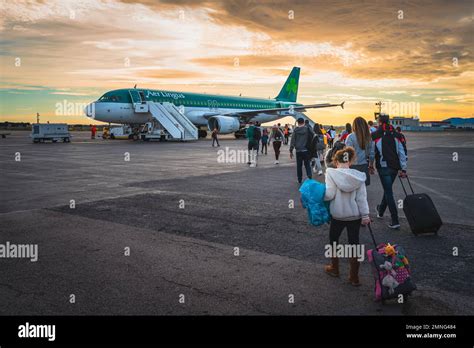
- Targeted Disruptions: Routes between Dublin, Nice, and Paris are especially impacted.
- Mitigation: Passengers have been offered refunds or rebooking. However, many have found rescheduling challenging amid full summer bookings.
Expanding Fallout: Lufthansa, British Airways Join the List
The ripple effects have extended well beyond French borders. Lufthansa, British Airways, and other major European carriers have been forced into contingency mode.
- Lufthansa: Cancelled dozens of flights from Nice, Paris, Marseille, and Lyon. The airline is rerouting through central European air corridors, though delays remain widespread.
- British Airways: Operating under its IAG Group, the airline has begun rerouting through alternative airspace and upgrading aircraft capacity on unaffected routes. While these steps offer some relief, they have created scheduling bottlenecks elsewhere.
These carriers now face not only customer backlash but also the logistical headache of adapting crew schedules, aircraft availability, and ground handling operations—all of which require minute-by-minute coordination.
Beyond France: Regional Strikes Intensify Disruption
While France serves as the epicenter, Spain, Portugal, and Morocco have also seen sympathetic or parallel strike action from local unions. The growing wave of unrest highlights a deeper malaise in Europe’s aviation infrastructure.
In Spain, controllers at Barcelona-El Prat and Madrid-Barajas have joined short solidarity walkouts, adding to localized disruptions. Portuguese ATC unions have voiced support and warned of potential action later in the summer. In Morocco, particularly at airports like Casablanca and Marrakech, union-led slowdowns have added delays to already-stressed routes.
Passenger Chaos: 300,000 Travelers Thrown into Disarray
More than 300,000 passengers are grappling with a cascade of consequences:
- Cancellations and Missed Connections: Many are being forced to wait multiple days for rebooked flights due to summer capacity limits.
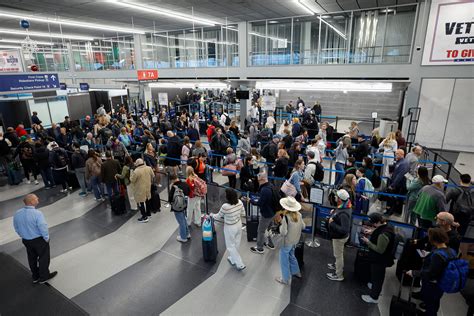
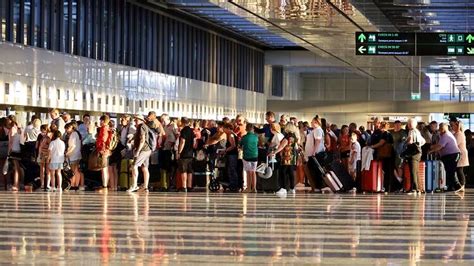
- Airport Congestion: Long lines, overwhelmed help desks, and congested baggage claims are now a common sight.
- Refund Woes: While EU Regulation 261/2004 guarantees compensation for cancellations, enforcement and claims processing have been slow.
Tips for Travelers Navigating the Crisis
While frustration is understandable, there are several actions travelers can take to mitigate further inconvenience:
- Stay Connected: Use airline apps or official websites for real-time flight status updates.
- Know Your Rights: EU law may entitle you to compensation, alternative transport, or overnight accommodation in the event of significant delays.
- Act Quickly: Rebooking early can help, even if it means flying to a nearby city and taking ground transport to your destination.
- Document Everything: Keep receipts, confirmation numbers, and any communication with the airline to support compensation claims.
- Consider Alternate Routes: Trains and long-distance buses are now in higher demand. Booking early or using multimodal transport apps may offer alternatives.
Will This Become the New Normal?
Industry observers are warning that this may not be the last strike of the summer. Unless swift negotiations or structural reforms are introduced, further walkouts could follow in France, Spain, or Portugal. The summer season has only just begun, and the demand curve for European leisure travel is peaking.
The European aviation network, already stretched thin from post-COVID recovery and staff shortages, now faces its most significant labor disruption in years. Calls for pan-European airspace management reform are growing louder, with several airline CEOs urging the EU Commission to address the vulnerabilities in how European airspace is governed.
Conclusion: A Wake-Up Call for European Aviation
The July 2025 air traffic control strike is more than just a temporary inconvenience. It is a powerful signal that Europe’s aviation backbone is cracking under pressure, both operationally and institutionally. With over 1,500 flights cancelled, nearly 300,000 passengers affected, and travel plans for thousands of families thrown into chaos, the need for modernization, staffing reform, and better intergovernmental coordination has never been more urgent.
Travelers, meanwhile, must remain vigilant, flexible, and informed. The skies over Europe, once a symbol of seamless connectivity, have become an unpredictable battleground in a wider struggle for reform. For now, patience and preparation remain travelers’ best tools in navigating this turbulent season.