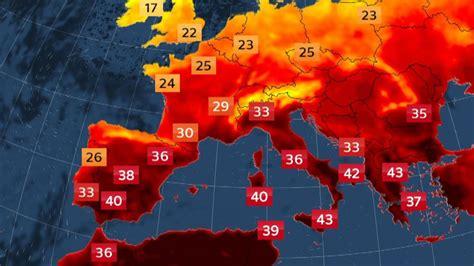
As summer descends upon Southern Europe, popular tourist destinations like Greece, Turkey, Spain, and Italy are grappling with extreme heat that poses significant health risks for travelers. In recent years, these regions have become infamous for their scorching temperatures, with travel experts now cautioning tourists to avoid the hottest hotspots. Cities such as Nicosia, Rome, and regions like Alentejo and Extremadura are experiencing unprecedented weather patterns, with many areas recording over 35°C on numerous occasions.
The intense heatwave has not only made sightseeing uncomfortable but also raised serious health concerns. Reports indicate that several traditional tourist hubs are becoming increasingly unsafe during peak summer months, pushing vacationers to rethink their travel itineraries. The once idyllic coastal towns known for their beauty and history are now at the forefront of alarming climate trends, as rising temperatures threaten the comfort and well-being of holidaymakers.
Hottest Capital of Europe: Nicosia
Nicosia, the capital of Cyprus, has recently been dubbed the hottest capital in Europe. With more than two dozen days in July exceeding 35°C, this inland city is facing severe heat challenges. Unlike coastal cities that benefit from refreshing sea breezes, Nicosia suffers from stagnant air and high nighttime temperatures, often remaining above 30°C. This extreme residual heat can hinder the body’s ability to recover from daytime exposure, leading to dehydration and heat exhaustion. For those considering a visit, Nicosia has emerged as a high-risk destination for summer travel.

Safer Alternatives Within Cyprus: Ayia Napa and Paphos
While Nicosia bears the brunt of the heat, regions like Ayia Napa and Paphos offer a respite from the oppressive temperatures. Ayia Napa, known for its vibrant coastal resort atmosphere, experiences significantly fewer days of intense heat compared to the capital. This coastal location benefits from cooler evening temperatures and refreshing ocean breezes, allowing visitors to enjoy the Mediterranean without sacrificing comfort. Similarly, Paphos is celebrated for its stunning beaches and rich cultural heritage, providing an ideal escape for those seeking a more pleasant summer vacation.
Portugal’s Alentejo Region: A Heat Trap
In Portugal, the Alentejo region is also feeling the heat. Positioned between Lisbon and the Algarve, this inland area has recorded a staggering number of days with temperatures surpassing 35°C, even outpacing the well-known sunny Costa del Sol in Spain. The lack of coastal breezes combined with arid conditions has created a heat trap, making it less appealing for tourists who seek comfortable climates. Despite its picturesque vineyards and cultural landmarks, the extreme temperatures could deter visitors, especially those sensitive to heat.
Spain’s Extremadura Region Joins the Red List
Similar concerns arise in Extremadura, Spain’s southwestern region, where soaring temperatures have made it the hottest part of the country during summer. Unlike coastal cities like Barcelona or Valencia, Extremadura lacks the cooling effects of sea breezes and mountainous altitudes, resulting in dangerously high temperatures. Visitors hoping to explore the region’s Roman ruins and medieval towns may find themselves at risk as the oppressive heat continues well into the evening.
Greek Islands Are Not Spared: Corfu Under the Spotlight
Even the beautiful Greek islands are not immune to the heatwave. Corfu, famous for its lush landscapes and azure waters, is witnessing an increase in scorching summer days. The rising temperatures have altered travel patterns, with tourists advised to plan their excursions for early morning or late evening to avoid peak sun exposure. Proper hydration, sun protection, and shade are now essential for anyone venturing outside during the day.
Turkey: Bodrum and Izmir Among the Hottest Spots
On the Aegean coast of Turkey, popular resort towns like Bodrum and Izmir are facing similar heat challenges. Renowned for their stunning coastlines and rich cultural scenes, these locations are now highlighted for their rising temperatures. While proximity to the sea provides some relief, the combination of intense sunlight and humidity has raised alarms. Travelers are encouraged to seek cooler hill regions or coastal towns with softer microclimates to ensure a more enjoyable experience.
Italy’s Urban Heat Islands: Rome Under Pressure
In Italy, the capital city of Rome is facing significant heat challenges. Known for its historical landmarks, Rome experiences a pronounced heat island effect, where urban structures absorb and retain heat, making the city much hotter than surrounding rural areas. The intensity of the heat can pose risks, especially for vulnerable populations such as children and the elderly. To navigate these conditions safely, tourists are now encouraged to engage in early morning tours and to pursue indoor activities during the sweltering midday hours.
Climate Change and the New Normal for Visiting Europe
The increasing frequency and severity of heatwaves in Europe signal a broader trend linked to climate change. Experts suggest that travelers and the tourism industry must adapt to this new reality, where traditional holiday destinations may no longer be suitable for mass tourism during peak summer months. In response, many cities and regions are exploring adaptation strategies, including implementing shade structures, hydration stations, and advanced cooling systems to accommodate visitors.
Planning Smarter: Heat-Aware Travel Advice for 2025
As travelers adjust to the new climatic realities, smarter planning becomes essential. Here are some key recommendations for those considering summer visits to Southern Europe:
- Choose Coastal Over Inland: Opt for destinations with sea breezes or higher altitudes for cooler climates.
- Shoulder-Season Travel: Plan trips in May, early June, September, or October when temperatures are milder.
- Stay Sun-Protected and Hydrated: Always carry water, wear sunscreen, and utilize hats or umbrellas.
- Book Rooms with Air Conditioners: Ensure accommodations have efficient cooling systems for comfort.
- Time Your Activities Wisely: Schedule outdoor excursions for early mornings or after sunset to avoid extreme heat.
- Stay Current: Regularly check local weather advisories and travel warnings prior to your trip.
Alternative Coolers for a Comfortable European Summer
If extreme heat is prompting a reevaluation of summer travel plans, consider alternative European destinations that promise cooler climates. Countries like Switzerland, Austria, and Slovenia boast stunning natural beauty without the sweltering heat. Northern coastal cities in Spain, such as San Sebastián, offer refreshing temperatures during the summer months. In Italy, the northern lakes—Como and Garda, along with the Dolomites, provide serene settings away from the crowds. Similarly, Turkey’s northeastern mountains and Greece’s mountain towns are less affected by heatwaves, presenting a cooler escape for summer travelers.
In summary, Southern Europe is currently experiencing record-breaking summer temperatures, with several regions recording dangerously high levels above 35°C. As a result, travel experts are urging tourists to reconsider visiting certain areas that may be hazardous or uncomfortable during this peak season. The necessity for heat-conscious travel is becoming increasingly apparent as climate patterns evolve, prompting a shift in how travelers approach their summer vacations. By prioritizing health and safety while still indulging in the beauty of Southern Europe, visitors can enjoy their adventures without succumbing to the rising heat.