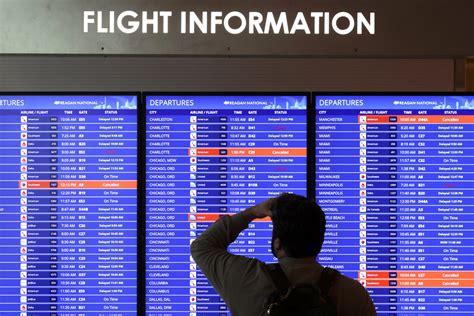
More than 26,500 flights disrupted and 876 canceled—these staggering figures now define the chaotic landscape of U.S. summer air travel. On what should have been one of the busiest and most profitable weeks of the year for airlines, American skies instead descended into a swirling mess of delays, cancellations, and frustration. What began as a severe summer storm system rapidly snowballed into a full-scale operational meltdown, affecting major airports, thousands of flights, and countless travelers.
The Eye of the Storm: US Airports in Crisis
On July 16, 2025, the summer travel season was thrown into turmoil. From the East Coast to the Rocky Mountains, U.S. airports transformed into pressure cookers of stress, confusion, and logistical strain. What was initially forecasted as standard summer thunderstorms spiraled into a paralyzing multi-region weather system that brought aviation operations to a grinding halt.
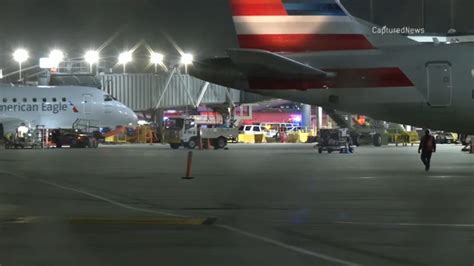
At Chicago O’Hare International Airport, the storm’s initial impact was catastrophic. Fifty-five flights were canceled and 458 delayed, accounting for 34% of all flights scheduled that day. These delays rippled across the country as O’Hare’s central hub status means a single disruption can derail hundreds of connections. Rain lashed the tarmac, lightning halted ground operations, and planes lined up on taxiways with no end in sight.
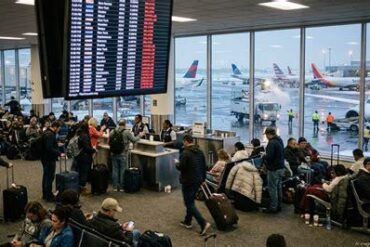
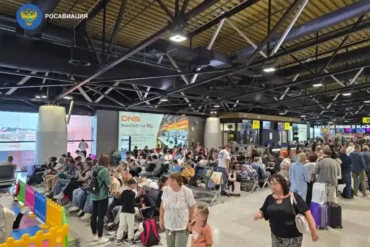
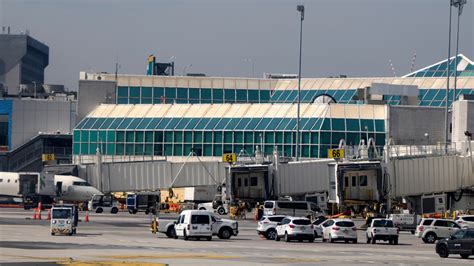
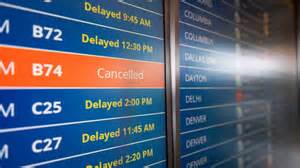
Meanwhile, New York’s LaGuardia, JFK, and Newark airports also plunged into chaos. LaGuardia suffered 30 cancellations and 115 delays, while JFK endured 123 delays. Newark was hit especially hard, with 209 delays and 19 cancellations, pushing its delay rate to a disruptive 20%. Inside terminals, exhausted passengers queued for hours at service desks. Lounges were overcrowded, monitors flashed red with delay warnings, and rebooking windows slipped further into the week.
Washington, Boston, and Philadelphia Grapple with Gridlock
The nation’s capital was not spared. Reagan National Airport recorded 46 cancellations and 105 delays, impacting nearly a quarter of its schedule. As powerful thunderstorms stalled flight patterns, delays turned into overnight stays and missed obligations. Nearby, Baltimore/Washington International Airport suffered 35 cancellations and 56 delays. These disruptions were felt especially hard by regional commuters and vacationers alike.
Boston Logan and Philadelphia International also experienced substantial setbacks. Logan saw 14 flights canceled and 116 delayed, while Philadelphia logged 13 cancellations and 96 delays, turning business trips into nightmares and long-planned vacations into uncertain waits.
Denver and the Ripple Effect Across the Rockies
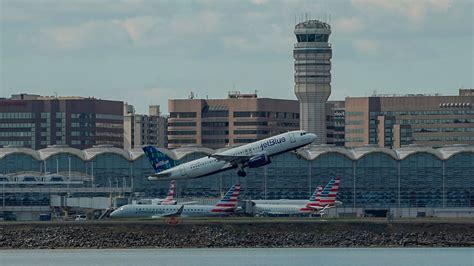
Although much of the storm battered the East Coast, Denver International Airport was hit by its own wave of severe weather. With 278 delays and 11 cancellations, 43% of its flights were affected, stranding passengers at one of America’s busiest inland hubs. Denver’s disruptions had cascading effects on West Coast-bound flights and connections throughout the Midwest.
Airline-by-Airline Breakdown: Who Was Hit Hardest
No major airline emerged unscathed from this mid-July storm blitz. The numbers reflect a brutal hit to carriers’ summer operations:
- Republic Airways: 117 cancellations, 217 delays (16% delay rate)
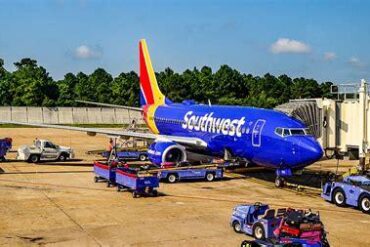
- Southwest Airlines: 92 cancellations, 1,016 delays (24% of all operations)
- SkyWest Airlines: 48 cancellations, 400 delays (15% delay rate)
- American Airlines: 42 cancellations, 957 delays (over 25% of total flights)
- Endeavor Air: 42 cancellations, over 100 delays
- PSA Airlines: 42 cancellations, over 100 delays
- Envoy Air: 41 cancellations, 205 delays (18% delay rate)
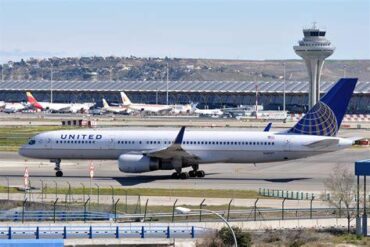
- United Airlines: 19 cancellations, 731 delays (24% impacted)
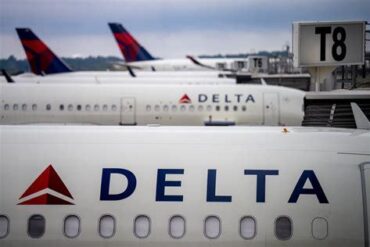
- Delta Air Lines: 14 cancellations, 589 delays (16% impacted)
- China Eastern: 20 cancellations, 847 delays (32% of total flights)
- Batik Air: 17 cancellations, 161 delays (a staggering 52% delay rate)
Some carriers, particularly regionals like Republic, PSA, and SkyWest, were disproportionately affected due to their tight schedules and limited fleet flexibility. Southwest Airlines—with its high-frequency, point-to-point model—faced logistical nightmares when aircraft couldn’t complete turns or crews timed out.
Weather Was Just the Spark: Systemic Weaknesses Exposed
Though the storm acted as the initial trigger, the scale of the fallout points to broader systemic vulnerabilities in U.S. aviation. For starters, the FAA continues to grapple with a severe air traffic controller shortage. Fewer controllers on duty means reduced capacity for rerouting and emergency adjustments, particularly when flights must divert or hold.
Additionally, airlines are operating ultra-dense summer schedules to capitalize on post-pandemic demand. This leaves no room for error. A single delay can push an entire day’s schedule into disarray, especially with limited spare aircraft and tightly stretched crews. Planes that miss a morning leg can’t be used for their afternoon run, forcing cascading cancellations.
The Human Cost: Delays Beyond Numbers
Behind every canceled flight is a personal crisis. Families camped overnight in terminals, business meetings were missed, and honeymoons derailed. Social media overflowed with snapshots of sleeping passengers, long queues, and passive-aggressive automated rebooking messages.
Passengers expressed outrage at hours-long hold times for airline customer service. Gate agents faced angry crowds with no more answers than their travelers. Even flight crews, unable to complete duty shifts, were stranded without hotel availability. For frontline staff and travelers alike, the week became a test of patience and resilience.
Rebuilding Trust in a Shaken Industry
Airlines moved quickly to offer waivers and fee-free rebooking options, but for many travelers, the damage was already done. With most summer flights already near capacity, finding alternate options often meant days of delay—or no availability at all. Some passengers were stranded in connecting cities with no reasonable path home.
This isn’t the first time airlines have faced a summer meltdown. Public trust in the industry is eroding, with repeated seasonal disruptions calling into question the reliability of U.S. air travel. Executives now face mounting pressure to improve communication systems, expand contingency planning, and reinforce staffing.
A Warning for the Future: Long-Term Travel Implications
The summer travel chaos of 2025 isn’t an anomaly—it’s a harbinger of escalating risk. With climate change producing more intense weather, the aviation industry will face more frequent disruptions. Combined with aging infrastructure and continued labor shortages, this cocktail of challenges threatens to destabilize peak travel seasons for years to come.
Travelers may begin to adjust. Nonstop routes will be favored over connections. Flexible and refundable tickets will become more attractive, despite higher prices. For domestic routes under 500 miles, some passengers may increasingly choose train travel to avoid airport drama altogether.
Corporate travel policies are also shifting. As reliability becomes harder to guarantee, virtual meetings or extended trip windows may become the norm, reshaping business travel economics.
Conclusion: An Industry at the Edge
July 16 was a turning point. The American aviation system was stretched past its breaking point—not just by weather, but by structural strain, insufficient buffers, and overextended resources. While the numbers speak volumes, the real story lies in the weary faces of passengers and the overburdened staff trying to keep planes moving.
It’s clear that recovery will require more than just apologies and waivers. It demands coordinated investment from airlines, federal agencies, and airport authorities. More robust weather forecasting systems, more personnel in key roles, and greater operational flexibility must be built into the backbone of American aviation.
Until then, every storm is a potential catastrophe. And every traveler, a reluctant gambler in a sky too often shaped by chaos.