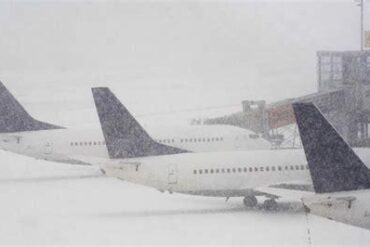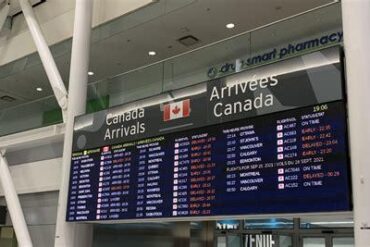
Travelers across Canada’s busiest airports faced widespread chaos as over 450 flights were delayed or cancelled on July 1, 2025, due to severe weather conditions wreaking havoc on operations. From Toronto Pearson to Vancouver, Montreal, Calgary, and beyond, airlines scrambled to manage grounded aircraft, stranded passengers, and disjointed schedules.
The latest wave of travel disruptions highlights the vulnerability of even the most critical air transport hubs in the face of adverse weather systems, with thunderstorms, crosswinds, and low visibility bringing operations to a standstill across multiple provinces.
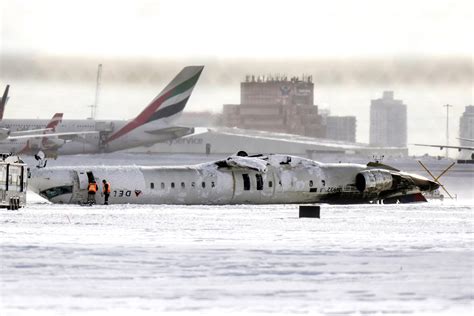
Toronto Pearson International Airport Bears the Brunt
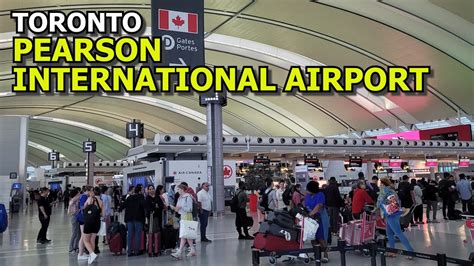
Toronto Pearson International Airport (YYZ), Canada’s busiest air travel hub, experienced the most significant operational meltdown. A total of 156 flights were affected, comprising 136 delays and 20 cancellations. The ripple effects were felt both domestically and internationally as airlines struggled to maintain schedule integrity.
Porter Airlines, known for its extensive regional network, was forced to cancel 10 flights while delaying 12 more. National carrier Air Canada, along with its subsidiaries Jazz and Air Canada Rouge, saw dozens of disruptions. International carriers also faced significant setbacks, with Air France, TAP Air Portugal, United Airlines, and Air India reporting multiple delayed departures.
The primary culprits behind the mayhem were persistent rain, gusty crosswinds, and turbulent atmospheric conditions, rendering safe runway operations a challenge. The congestion led to bottlenecks for both inbound and outbound flights, impacting thousands of passengers.
Vancouver International Airport Faces Transpacific Setbacks
Over on the West Coast, Vancouver International Airport (YVR) tallied 86 disruptions, including 78 delays and 8 cancellations. Airlines serving transpacific routes bore the brunt of the operational turbulence, as low clouds and steady rain hampered visibility.
Affected carriers included Air Canada, WestJet, Pacific Coastal Airlines, and Porter, with international giants such as Japan Airlines, Korean Air, Air India, and Cathay Pacific seeing significant long-haul departures delayed—some by over four hours. Several Asia-bound flights, including those to China, Taiwan, and Japan, were delayed due to congestion on runways and aircraft hold patterns.
Montreal-Trudeau Hit with Extensive Delays
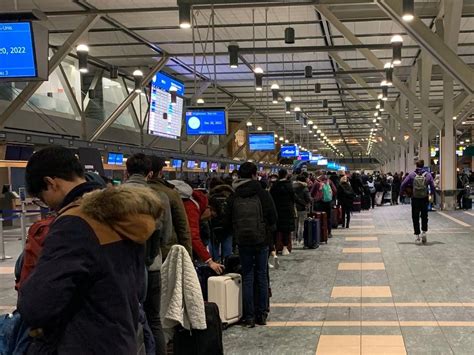
Montreal-Trudeau International Airport (YUL) reported 86 flight disruptions, split between 81 delays and 5 cancellations. The impact extended across regional carriers like Porter, Jazz, and Air Transat, alongside major players including Air Canada, Air France, and TAP Air Portugal.
Wet tarmac conditions, coupled with saturated airspace, meant operations slowed to a crawl. Some airlines, notably Swiss, Lufthansa, and Tunis Air, recorded delay rates exceeding 50%, forcing passengers to endure prolonged waits and overcrowded terminal spaces.
Calgary and Edmonton Airports Ripple with Disruptions
Calgary International Airport (YYC) reported 68 disrupted flights, comprising 62 delays and 6 cancellations. The majority were linked to WestJet and WestJet Encore, which together recorded 41 delays and 4 cancellations. Smaller carriers like Porter, Jazz, and Flair Airlines also faced operational issues as storm systems swept through Alberta.
The disruptions in Calgary rippled into Edmonton International Airport (YEG), where 19 delays and 4 cancellations added to the national totals. Though weather conditions were comparatively milder in Edmonton, upstream delays from Toronto, Vancouver, and Calgary caused missed connections and itinerary reshuffles.

Ottawa and Halifax Airports Not Spared
The nation’s capital, Ottawa Macdonald–Cartier International Airport (YOW), experienced 25 disruptions, including 19 delays and 6 cancellations. The hardest-hit carrier was Porter Airlines, which saw 11 delays and 3 cancellations. Other impacted airlines included Jazz, Air Canada, and WestJet, with stormy conditions along the eastern corridor creating air traffic congestion.
Meanwhile, Halifax Stanfield International Airport (YHZ) in Atlantic Canada registered 26 disruptions (20 delays, 6 cancellations). Air Canada, Porter Airlines, and smaller operators such as Air Saint Pierre and Pascan Aviation struggled with poor visibility and storm fallout. Even U.S. flights operated by American Airlines and Republic Airways encountered setbacks.
National Disruption Totals and Weather Fallout
In total, 470 flights across Canada were impacted by the severe weather outbreak, comprising 415 delays and 55 cancellations. The breakdown is as follows:
- Toronto Pearson: 156 disruptions
- Vancouver: 86 disruptions
- Montreal: 86 disruptions
- Calgary: 68 disruptions
- Halifax: 26 disruptions
- Ottawa: 25 disruptions
- Edmonton: 23 disruptions
This latest weather-driven disruption reveals the systemic fragility of Canadian air travel when multiple hubs face simultaneous operational stress. Crews, air traffic controllers, and ground staff worked overtime to mitigate cascading effects, yet long rebooking queues, delayed luggage, and widespread passenger frustration became inevitable.
Airline-Specific Impacts at a Glance
The storm chaos cut across domestic and international carriers alike:
Toronto Pearson:
- Porter Airlines: 10 cancellations, 12 delays
- Air Canada: 6 cancellations, 32 delays
- Jazz: 2 cancellations, 21 delays
- Air France, TAP Air Portugal, United Airlines, Air India, and others experienced significant long-haul delays
Vancouver International:
- Air Canada, WestJet, Jazz, and Pacific Coastal Airlines faced both cancellations and delays
- Transpacific carriers including Japan Airlines, Korean Air, Air India, and Cathay Pacific recorded delays, with some exceeding four hours
Montreal-Trudeau:
- Air Canada, Jazz, Porter, Air Transat, and major European carriers saw dozens of delayed flights
- International delays affected Air France, TAP Air Portugal, and more
Calgary and Edmonton:
- WestJet and WestJet Encore bore the brunt with dozens of delays and multiple cancellations
- Smaller regional carriers also saw operational setbacks
Ottawa and Halifax:
- Porter Airlines, Air Canada, and Jazz recorded the highest number of disruptions
- Smaller operators, including Air Saint Pierre, experienced near-total delay rates
Airlines Urge Travelers to Monitor Flight Status Closely
Given the scale of the disruptions and ongoing weather volatility, airlines have issued advisories encouraging travelers to:
- Regularly monitor flight status via official airline apps or airport websites
- Arrive at airports well ahead of scheduled departures to account for longer processing times
- Prepare for possible rebookings, overnight stays, or alternative routing
Air Canada, WestJet, Porter, Jazz, TAP Air Portugal, United Airlines, Japan Airlines, and Air France have all emphasized the need for passengers to stay informed as further weather-related disruptions remain possible.
Passengers with connections through Toronto, Montreal, or Vancouver are particularly advised to pack extra patience and maintain flexible travel plans. The situation remains fluid, with residual system backups likely to extend into subsequent travel days.

Conclusion: Canada’s Air Travel System Stretched to Breaking Point
This latest disruption serves as a stark reminder of how interconnected and vulnerable Canada’s aviation network is when major hubs are simultaneously compromised. Severe weather may be beyond human control, but the strain placed on airport infrastructure, airline logistics, and passenger patience underscores the urgent need for greater resilience in the face of climate volatility.
With summer travel season in full swing, Canadian airports and airlines face mounting pressure to implement rapid response protocols, improve contingency planning, and enhance communication to minimize passenger hardship during future weather disruptions.
As the skies clear, the focus now shifts to restoring schedules, supporting affected travelers, and preventing similar chaos in the weeks ahead.