Canada’s busiest airports plunged into travel turmoil on Sunday, June 29, as a fierce and fast-moving weather system swept across the country, grounding aircraft and disrupting schedules from coast to coast. More than 550 flights were either delayed or cancelled at major hubs including Toronto Pearson, Montreal-Trudeau, Vancouver International, and Halifax Stanfield, sending shockwaves through both domestic and international routes.
Severe Weather Triggers Widespread Disruption Across Canada’s Key Air Hubs
The chaotic day began with low visibility and heavy rainfall impacting British Columbia and quickly advancing through Ontario, Quebec, and Nova Scotia. Wind gusts and slippery runways created unsafe takeoff and landing conditions, prompting air traffic controllers to slow runway operations dramatically. Airline crews were also challenged by schedule cascades and duty-hour restrictions, adding further strain to an already faltering system.
By day’s end, 567 flights were disrupted nationwide—64 cancelled outright and 503 delayed, marking one of the summer’s most crippling travel days.
Toronto Pearson International Airport Hit Hardest
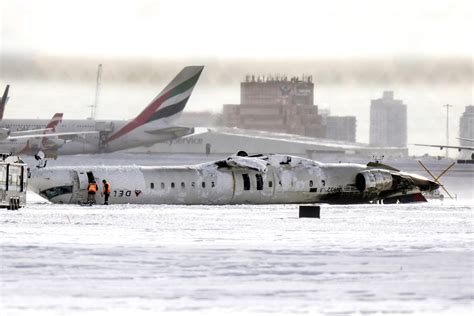
Toronto Pearson, Canada’s busiest airport, emerged as the epicenter of the travel meltdown with 195 flight delays and 20 cancellations logged. Major airlines including Porter, Air Canada, Jazz Aviation, and WestJet saw their operations battered, with ripple effects felt across domestic and international connections.
Porter Airlines alone faced 8 cancellations and 29 delays, while Air Canada reported 5 cancellations and 31 delays. Jazz Aviation’s impact was significant as well, with 5 cancellations and 25 delays. International carriers were not spared—Delta, Cathay Pacific, EVA Air, Air France, Egypt Air, and Turkish Airlines all reported disrupted operations.
Vancouver International Airport Faces Turbulent Day
Moving westward, Vancouver International Airport experienced 167 delays and 20 cancellations. The wet weather and gusting winds crippled regional and global airline activity.
Air Canada was again severely affected with 7 cancellations and 37 delays, followed by Jazz Aviation and WestJet Encore. International disruptions included Korean Air, Air India, Japan Airlines, and Edelweiss Air, with some airlines experiencing a 100% delay rate on scheduled flights.
Montreal and Halifax Also Experience Heavy Operational Impacts
In Montreal, 102 delays and 13 cancellations were reported at Montreal-Trudeau International Airport, with Jazz, Porter, and PAL Airlines bearing the brunt of the storm. Flights were impacted not only within Canada but to Europe and the Middle East, affecting carriers like Emirates, Swiss, Royal Air Maroc, and TAP Air Portugal.
Halifax Stanfield International Airport, while smaller, was not immune. It logged 22 delays and 2 cancellations, disrupting operations of Air Canada, Porter, WestJet, and regional players like PAL Airlines and Discover.
Breakdown of Canada-Wide Flight Disruptions
National Snapshot of Disruption:
- Total Cancelled Flights: 64
- Total Delayed Flights: 503
- Combined Total Flights Affected: 567
By Airport:
- Toronto Pearson: 195 delays, 20 cancellations
- Vancouver International: 167 delays, 20 cancellations
- Montreal-Trudeau: 102 delays, 13 cancellations
- Toronto City Centre (Billy Bishop): 17 delays, 9 cancellations
- Halifax Stanfield: 22 delays, 2 cancellations
Top Affected Airlines:
- Porter Airlines: Especially hard-hit at Billy Bishop and Pearson
- Air Canada: System-wide delays across all hubs
- Jazz Aviation: Significant schedule collapse in Montreal and Toronto
- WestJet: Broad delays from Halifax to Vancouver
A Perfect Storm: Meteorology Meets Logistics
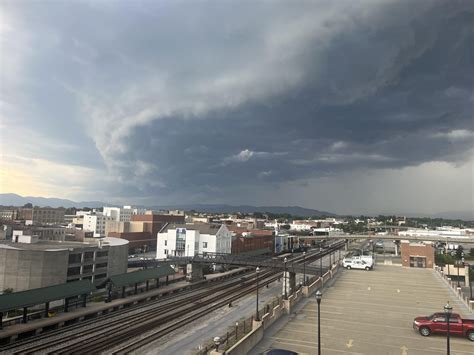
The weather system originated in British Columbia before barreling eastward, delivering torrential downpours and gusts up to 70 km/h. Airports operated under reduced runway visibility, slippery tarmacs, and traffic flow limitations mandated by Transport Canada and NAV CANADA, the national air traffic control authority. The meteorological assault clashed with aviation’s tight operational windows, triggering widespread schedule implosions.
Crews could not be redeployed swiftly due to rest-hour limitations, and aircraft stuck at the wrong airports created bottlenecks for both inbound and outbound legs. Delayed flights quickly snowballed into missed connections, canceled return services, and overflowing terminals.
Chaos at the Terminals: Stranded Passengers and Full Concourses
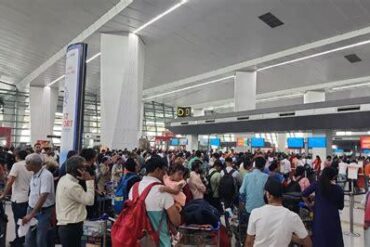
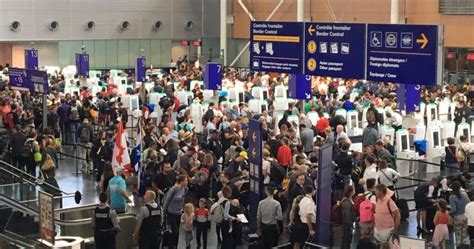
Frustration boiled over at terminals, particularly in Toronto Pearson and Vancouver, where passenger volumes exceeded processing capacity. Travelers reported hours-long waits for updates, insufficient customer service agents, and vague communication from airlines as real-time rebooking systems strained under load.
Some passengers were rebooked on next-day flights, while others had to overnight in terminal lounges without compensation due to force majeure weather clauses.
What Travelers Should Do Now
Airlines including Air Canada, WestJet, and Porter have issued advisories encouraging travelers to check flight statuses online or via mobile apps before heading to the airport. Several carriers have waived change and rebooking fees for impacted passengers, though refund processing remains inconsistent.
Travelers are also urged to:
- Arrive earlier at major hubs due to longer security and check-in queues
- Monitor airline updates closely, especially for regional and international connectors
- Consider alternate airports when possible to avoid overburdened facilities
More Weather Trouble Ahead
According to Environment Canada, storm conditions could linger across Eastern Ontario and Quebec into midweek, bringing renewed travel disruption potential. Additional rain bands and unstable skies may further hamper recovery efforts as airlines work to reposition aircraft and restore normal schedules.
Given this uncertainty, further delays and cancellations—especially for regional services and long-haul international flights—remain highly probable in the next 48–72 hours.
Industry Implications: A Wake-Up Call for Canadian Aviation
This massive weather disruption underscores the fragility of Canada’s air travel infrastructure when faced with large-scale climate volatility. The bottlenecks created by a single day’s weather event highlight the need for:
- Enhanced weather-response protocols at airport operations level
- Improved coordination between ground crews, air traffic controllers, and airlines
- Investment in digital communications systems to keep passengers updated more reliably
Canada’s air carriers have shown resilience in past disruptions, but the June 29 chaos reveals systemic stress points that may grow more frequent with evolving weather patterns.
Conclusion: Caution and Patience Remain Key for Travelers
Whether traveling for business or leisure, Canadian passengers must remain alert, flexible, and prepared for sudden itinerary changes. While airlines work feverishly to restore balance to their operations, the broader message is clear: severe weather is now a central disruptor of modern air travel.
With summer vacation season in full swing, this event serves as a sobering reminder that nature—not technology or schedules—still holds the upper hand in aviation.