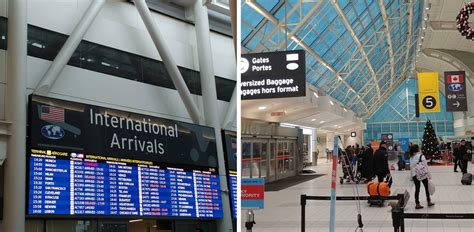
Canada’s major airlines — Air Canada, WestJet, Porter Airlines, and others — are grappling with the consequences of widespread flight delays and cancellations caused by unrelenting weather disturbances across key national hubs. On July 3, 2025, more than 550 flights were either delayed or cancelled, significantly affecting travel plans at crucial gateways including Toronto Pearson International Airport, Vancouver International Airport, and Montreal-Trudeau International Airport.
The underlying cause of this disruption? Surprisingly mild weather, consisting primarily of light rain, moderate winds, and reduced visibility. While seemingly manageable, these meteorological factors triggered a chain reaction of operational slowdowns, especially at high-capacity airports, leading to cascading delays for both domestic and international travel.
Toronto Pearson Leads in Weather-Driven Flight Chaos
As Canada’s busiest and most vital aviation hub, Toronto Pearson International Airport (YYZ) bore the brunt of these disruptions. The facility recorded 153 flight delays and 20 cancellations, with Air Canada alone accounting for 50 delays, while regional carriers like Jazz and Republic reported significant operational setbacks.
The primary challenge here stemmed from reduced visibility, which slowed ground handling and air traffic control responses. International carriers, including Cathay Pacific, KLM, Lufthansa, and Air India, were not immune. In fact, Air India faced a 100% delay rate among its scheduled flights at Pearson.
Vancouver International Airport Feels the Strain
Out west, Vancouver International Airport (YVR) experienced 89 delays and 14 cancellations. Though less severe than Toronto, the delays still rippled through the system, with Air Canada logging 23 delays and WestJet Encore enduring 18. The weather — dominated by light rainfall and shifting winds — slowed aircraft turnarounds and regional connections.
Notably affected were long-haul Asian carriers such as EVA Air, Japan Airlines, and Cathay Pacific, along with Cargojet and Philippine Airlines, which together contributed to growing congestion.
Montreal-Trudeau International Staggered by Operational Hurdles
In Montreal, 111 delays and 14 cancellations were reported at YUL, underscoring that even Eastern Canada wasn’t spared. The weather’s toll was most evident in regional and transatlantic services. Air Transat led delays with 14 affected flights, while Jazz and Air Canada shared 23 delays each.
Passengers headed to Europe or returning from overseas faced growing uncertainty, as airlines like Swiss, Air France, and Royal Air Maroc reported significant hold-ups. The gusty winds also complicated approaches and departures for smaller aircraft and regional jets, further straining airport throughput.
Calgary and Edmonton Disrupted, but Less Severely
Calgary International Airport (YYC) recorded 71 delays and 14 cancellations, with WestJet and WestJet Encore again showing high exposure. The prairie hub’s weather — mostly light rain — may seem tame, but it disrupted the tightly synchronized regional flight schedules.
Meanwhile, Edmonton International Airport (YEG) fared slightly better, with 27 delays and 5 cancellations. Its smaller footprint and manageable traffic volume likely helped mitigate the cascading effects experienced in larger airports.
Eastern and Atlantic Canada: Ripple Effects Reached Smaller Airports
Even smaller hubs such as Ottawa (YOW), Halifax (YHZ), and Quebec City (YQB) faced moderate impacts. Ottawa Macdonald-Cartier had 28 delays, while Halifax Stanfield reported 23 delays and a single cancellation. Airlines like Porter, Jazz, and Pascan Aviation were disproportionately affected due to their reliance on regional connectors and short-haul routes.
In Quebec City, 15 flights were delayed, with minimal disruptions otherwise. Surprisingly, Greater Moncton International Airport (YQM) saw only 4 delays and zero cancellations, maintaining near-normal operations despite the nationwide aviation stress.
Understanding Why Mild Weather Causes Major Flight Disruptions
It may seem counterintuitive that light rain and moderate wind can wreak such havoc on Canada’s aviation network. However, in the context of highly synchronized flight schedules and tight operational windows, even marginal weather disturbances can result in significant ripple effects.
Reduced visibility from rain and low cloud ceilings slows the entire chain of airport functions: aircraft taxi slower, ground crews are forced to operate with added caution, and Air Traffic Control (ATC) spacing between flights increases. These minor operational decelerations quickly accumulate, leading to gate congestion, crew timeouts, and missed flight connections.
Moreover, international carriers are particularly sensitive to these delays. Many operate under tight curfews, with narrow windows for takeoff or landing. If a delay occurs, it can cause an aircraft to miss its slot, often leading to full cancellations or rerouting.
Airlines’ Individual Exposure Highlights Their Vulnerabilities
Each airline experienced varying levels of impact depending on their hub locations, aircraft utilization, and reliance on regional partnerships.
- Air Canada, as the national flag carrier with dominant presence in YYZ, YVR, and YUL, took the hardest hit, recording high volumes of delays across all airports.
- WestJet and WestJet Encore saw a significant number of delays, especially in YYC and YVR, due to their strong Western Canadian network.
- Porter Airlines, operating mostly regional services out of Toronto’s Billy Bishop and Ottawa, experienced disruptions primarily at YOW and YHZ, though with fewer cancellations.
- Regional players such as Jazz, Republic, and Pascan Aviation were vulnerable due to their interline agreements and smaller aircraft fleets, making schedule recovery more difficult.
Passenger Experience: Uncertainty, Crowds, and Constant Refreshing of Apps
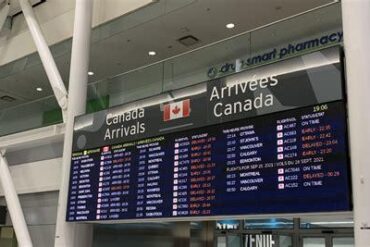
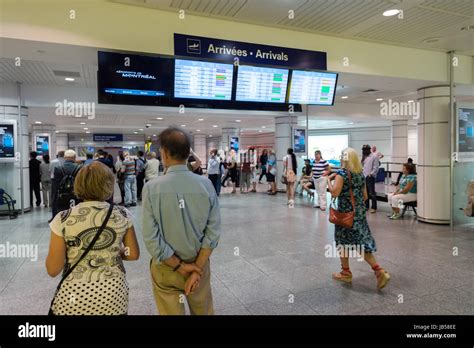
Passengers across the country found themselves in long queues, peering at departure boards filled with blinking red text, and continuously refreshing airline apps for updates. With delays stacking up, airport lounges were overwhelmed, and even the most well-prepared travelers were caught off guard.
Some airlines offered waived change fees, hotel vouchers, and meal credits, but response varied based on destination and class of service. For instance, international passengers received higher priority accommodations, while many domestic travelers had to wait for seat availability on later flights.
Operational Recovery in Progress, But Fragile
By the afternoon of July 3rd, most airports had begun clearing backlogs. However, the recovery remains fragile. Aircraft repositioning, crew rest requirements, and overbooked rebooking options pose hurdles.
Airlines are encouraging passengers to use digital tools to manage itineraries, with most offering real-time notifications and automated rebooking options. Nonetheless, the operational hangover is likely to continue well into the following day, particularly at major hubs like Toronto and Montreal.
Looking Ahead: Lessons for Travelers and Airlines
This episode highlights how even non-extreme weather can unravel Canada’s complex aviation system. As climate patterns shift, the industry will need to revisit how it manages weather forecasts, crew allocations, and slot buffers.
Travelers, on the other hand, are reminded of the importance of flexible travel arrangements, travel insurance, and proactive communication with airlines. The growing availability of mobile alerts and AI-driven delay forecasts could ease future disruptions.
For now, Canadian airports and airlines are working in tandem to restore normalcy, but the July 3rd wave of delays serves as a sober reminder that aviation systems remain highly sensitive to environmental and logistical shifts, even when the weather appears deceptively calm.