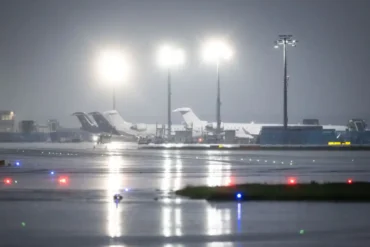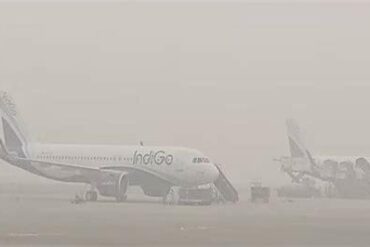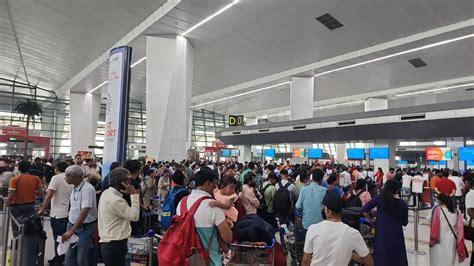
Over 200 flights have been cancelled and delayed across India as major airlines including IndiGo, Air India, Ethiopian Airlines, Thai Airways, Flynas, and Kenya Airways grapple with severe operational disruptions at Delhi, Mumbai, and Kolkata airports due to inclement weather. Torrential rain, low visibility, and crosswinds have led to grounded aircraft, overwhelmed runways, and frustrated passengers, creating a chaotic atmosphere as airlines scramble to recover from cascading delays across both domestic and international routes.
Turmoil in the Skies as Bad Weather Hits Major Indian Airports
Heavy rain, strong winds, and low visibility conditions have wreaked havoc across three of India’s most vital aviation corridors—Indira Gandhi International Airport (Delhi), Chhatrapati Shivaji Maharaj International Airport (Mumbai), and Netaji Subhash Chandra Bose International Airport (Kolkata). Authorities confirmed a combined total of 51 flight cancellations and 176 delays, pushing the overall number of disrupted flights to 227 within a single day. The operational impact has been far-reaching; weather radar indicated large patches of convective activity blanketing central and eastern India, creating unsafe flying conditions that triggered a cascade of arrival and departure slowdowns throughout the day.
Delhi Airport Sees Heaviest Impact
Delhi’s Indira Gandhi International Airport, one of the busiest in South Asia, bore the brunt of this disruption. A total of 28 flights were cancelled and 81 were delayed due to unstable weather patterns, making it the hardest hit among the three airports. Air India, based in Delhi, faced a massive operational blow with 27 flight cancellations and 35 delays, affecting both domestic and international schedules. IndiGo, India’s largest budget airline, reported 20 delays, struggling to meet turnaround times amid runway congestion. Other carriers impacted at Delhi included Etihad Airways, Flynas, SpiceJet, Ariana Afghan, and Thai Airways, all experiencing multiple delays and scattered cancellations. Even long-haul operators like Korean Air and Nepal Airlines felt the ripple effects, as connecting flights faced missed slots and reassignments due to the backlog.

Mumbai Grapples with Storm Disruptions
At Mumbai’s Chhatrapati Shivaji Maharaj International Airport, the situation was only slightly less chaotic, with 15 flights cancelled and 75 delayed by persistent rainfall and crosswind gusts. Air India again led the disruption count with 11 cancellations and 27 delays, showcasing how centrally affected its fleet and crews have been by the weather. Akasa Air, a newer player in India’s aviation scene, had three cancellations and three delays, struggling to maintain punctuality during peak hours. Other affected airlines in Mumbai included Kenya Airways (where 50% of flights were delayed), British Airways, Ethiopian Airlines, VietJet Air, and Air France. The airport’s parallel runway system, designed for high-capacity traffic, was pushed to its limits, forcing aircraft to circle longer or divert to alternate airports such as Ahmedabad and Hyderabad.
Kolkata Sees Fewer Flights, But Higher Cancellation Rate
Kolkata’s Netaji Subhash Chandra Bose International Airport experienced comparatively lower total volumes, but a disproportionately higher rate of flight cancellations. Out of the total, eight flights were cancelled and twenty delayed, with Air India being the most disrupted, cancelling seven flights and delaying five more. SpiceJet, IndiaOne Air, and Qatar Airways were among the other carriers affected in the eastern region, where sudden rain bursts and lightning advisories restricted takeoffs for several hours. Etihad Airways also faced a 50% delay rate on its flights in and out of the city. The sudden spikes in cancellation rates alarmed passengers and raised concerns about schedule reliability during the onset of monsoon.
Domestic and International Travelers Equally Affected
Passengers traveling on both domestic routes within India and international connections to the Middle East, Southeast Asia, and Africa faced long waits, sudden cancellations, and poor rebooking options. Airlines reported long queues at service counters as travelers demanded answers and alternatives. Among those severely affected, Ethiopian Airlines, connecting Africa and India through Delhi and Mumbai, had to delay or reschedule several outbound flights. Thai Airways and Thai AirAsia X saw delays ripple across their India-Bangkok corridors, frustrating both leisure and transit travelers. Flynas, a key Middle Eastern carrier, struggled to maintain punctuality on its Saudi-India connections. Despite attempts by airlines to accommodate passengers through flexible policies, complaints surged online about poor communication, lack of proactive updates, and insufficient assistance at affected terminals.
Airlines Respond with Recovery Plans
As the skies remain unstable, most airlines have deployed contingency crews, additional ground staff, and alternative aircraft to recover lost schedules and avoid extended delays. Emergency protocols have been initiated by Air India and IndiGo, including fleet repositioning and priority rescheduling for international travelers. Air traffic controllers, working under pressure, continue to coordinate reduced runway slots and push for quick recoveries wherever possible. However, weather forecasts suggest that more scattered storms are expected, particularly in northern India, making the next few days critical for operations.
Passengers Urged to Check Flight Status and Plan for Delays
Given the unpredictable weather conditions, Indian aviation authorities are advising all passengers to check their flight status well in advance, arrive early at airports, and prepare for potential delays or last-minute gate changes. Travelers are also encouraged to download airline apps and sign up for SMS alerts to stay informed in real time. With India’s monsoon season gaining momentum, this incident serves as a strong reminder that weather-induced disruption remains a serious operational risk, even for some of the world’s largest carriers and best-connected airports.
A Rough Start to Peak Travel Season
As over two hundred flights fall victim to India’s turbulent skies, both domestic and international aviation sectors face renewed urgency in developing more robust weather resilience strategies. From Delhi to Kolkata, this latest disruption underscores how a single weather system can derail hundreds of journeys and force the industry into reactive crisis mode. Until skies clear, passengers, pilots, and airlines alike will remain at the mercy of the monsoon.