Heavy rainstorms sweeping across southern Finland have caused significant operational disruptions at Helsinki-Vantaa Airport, prompting Finnair and Danish Air Transport (DAT) to cancel and delay more than fifty flights in a single day. This unprecedented weather event, which took place on Tuesday, June 19, 2025, has raised concerns among travelers and industry analysts alike, particularly as we are entering the peak summer travel season.
The adverse weather conditions overwhelmed ground handling operations, leading to a reported total of 56 flight cancellations and 2 delays at Finland’s busiest airport. The majority of these disruptions affected both domestic and regional travel, making it a challenging day for many passengers. While the delays were relatively minimal, the sheer volume of canceled departures prompted significant frustration among travelers, as they struggled to navigate rebooking procedures during a busy travel period.
Finnair Faces Major Operational Challenges
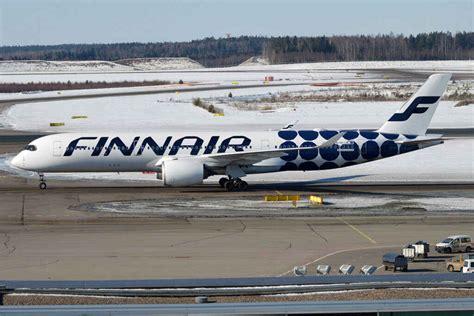
As Finland’s flagship carrier, Finnair was hit hardest by the heavy rainfall, canceling 54 flights, which accounted for approximately 17% of its daily schedule at Helsinki-Vantaa. The airline’s short-haul European and domestic routes, including popular destinations such as Stockholm, Tallinn, and Oulu, bore the brunt of the cancellations. In response to the disruptions, Finnair acted swiftly to notify affected passengers about their options for rebooking, emphasizing that these changes would incur no additional costs.
Despite the airline’s efforts to communicate effectively, many travelers expressed frustration over long lines at rebooking desks and the limited same-day travel alternatives available. Finnair released a statement on its website citing “adverse weather conditions” as the primary reason for the widespread cancellations. The airline assured its customers that they would work diligently to accommodate those impacted by the disruptions, though the ongoing rain continued to complicate ground handling operations.
DAT Experiences Significant Setbacks
While Finnair accounted for the majority of cancellations, Danish Air Transport (DAT) also faced considerable challenges, canceling two out of five scheduled flights, resulting in an alarming 40% cancellation rate. Given DAT’s smaller operational footprint, this figure represents a significant impact on its services, primarily affecting intra-Nordic connections serving smaller regional hubs. Fortunately, no delays were reported for DAT’s remaining flights, although the airline acknowledged that coordinating ground support and turnaround times in such severe weather posed serious challenges.
A spokesperson for DAT noted that while the airline is accustomed to dealing with the volatility of Nordic weather, the intensity of the rainfall on that day far exceeded what is typically expected during the summer months. The company is committed to ensuring passenger safety and comfort, and it promptly communicated the situation to its customers.
Localized Disruption: Effects of Heavy Rainfall
The weather-related disruptions were confirmed to be localized to Finland, with no flights within, into, or out of the United States being affected. This incident highlights the unique climatic challenges faced by airlines operating in regions prone to sudden weather changes. The Finnish Meteorological Institute had issued warnings for heavy rain and poor visibility across the Uusimaa region, which encompasses Helsinki. In just a few hours, rainfall levels exceeded thirty millimeters, inundating runways and leading to delays in baggage handling operations.
In response to the severe weather, airport ground services and air traffic control collaborated to manage arrivals and departures effectively, prioritizing long-haul and international operations that were less impacted by the deluge. However, airlines with dense short-haul schedules, like Finnair, encountered significant difficulties maintaining their turnaround timelines under such conditions.
Stranded Passengers and Rebooking Efforts
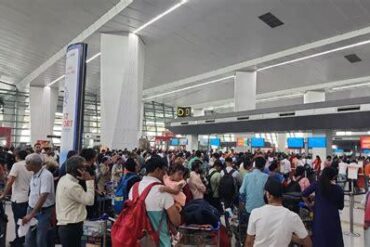
The cascading effect of flight cancellations left hundreds of passengers temporarily stranded at Helsinki-Vantaa Airport. Throughout the afternoon, terminal screens displayed numerous “canceled” notices as heavy showers persisted. Many travelers who were en route to regional cities within Finland or to neighboring Baltic capitals found their tightly planned itineraries disrupted. In response, airport staff deployed additional personnel to assist at rebooking counters, while both Finnair and DAT encouraged travelers to utilize mobile apps and online services for rebooking or refunds.
Some passengers were rerouted through alternate airports, including Tampere-Pirkkala and Turku, while others were offered hotel accommodations and travel vouchers as compensation for their troubles. This swift response highlights the importance of effective crisis management in the aviation sector, particularly during adverse weather conditions.
Looking Ahead: Temporary Disruptions Expected to Normalize
Despite the high volume of same-day cancellations, aviation experts and airport officials emphasize that the disruption is likely to be temporary and solely weather-related, rather than indicative of broader operational issues. Forecasts suggest that weather conditions will improve throughout the week, with flight schedules expected to return to normal within twenty-four hours. Aviation analyst Markku Laitinen stated that Helsinki-Vantaa Airport typically maintains high on-time performance metrics, and while sudden weather events can strain even the most efficient systems, the airport’s response has remained coordinated and effective.
Laitinen further explained that airlines like Finnair are well-equipped to adapt to weather disruptions, particularly in the Nordic climate. Although the cancellations were unfortunate, they are not entirely unusual during intense rainfall episodes. This incident serves as a reminder of the unpredictable nature of weather and its potential impact on global air travel.
Conclusion: Navigating Future Weather-Related Challenges
As weather-related disruptions continue to affect air travel worldwide, airlines operating in climate-sensitive regions must remain agile and prepared for sudden changes. The events at Helsinki-Vantaa Airport serve as a poignant reminder of how quickly operations can be thrown off course, especially for carriers like Finnair and DAT that rely heavily on high-frequency regional routes. Passengers are advised to stay informed about weather alerts, confirm flight statuses in advance, and keep an eye on rebooking options during turbulent weather conditions. As the aviation industry continues to evolve, ensuring passenger safety and satisfaction remains the top priority, even in the face of nature’s challenges.