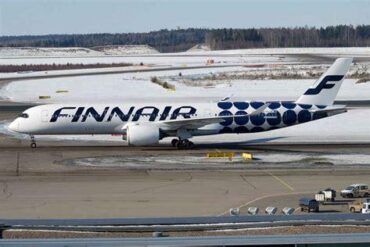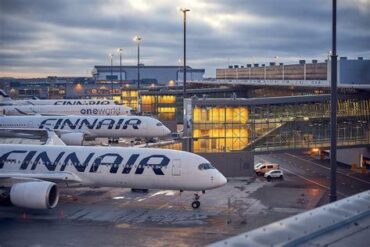
In July 2025, industrial action by the Finnish Aviation Union (IAU) at Helsinki-Vantaa Airport triggered significant operational disruptions for Finnair and numerous international airlines. The strike primarily affected essential ground services such as baggage handling, aircraft maintenance, and catering. The interconnected nature of airline operations meant that these disruptions had a far-reaching impact not only on Finnair but also on several major carriers worldwide, including SAS, Norwegian Air Shuttle, Lufthansa, Air France-KLM, British Airways, Iberia, and Turkish Airlines. This article delves into the specifics of how these disruptions unfolded and their implications for travelers globally.
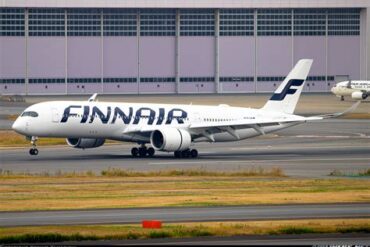
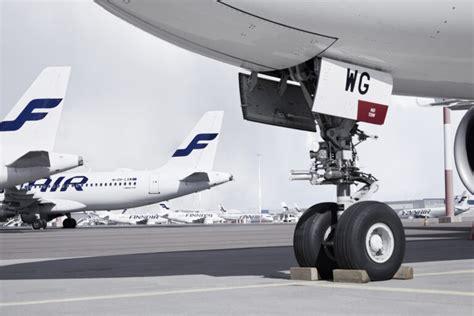
The most immediate and notable impact was felt by Finnair, which had to cancel approximately 100 flights on July 7, 2025. This unprecedented move directly affected about 7,200 passengers, disrupting their travel plans significantly. In response to the chaos, Finnair took proactive steps by informing customers promptly about cancellations and providing options for altering travel dates or obtaining refunds. Moreover, the airline demonstrated customer-centric flexibility by allowing changes to reservations without penalties, aiming to alleviate some frustrations among its affected clientele.
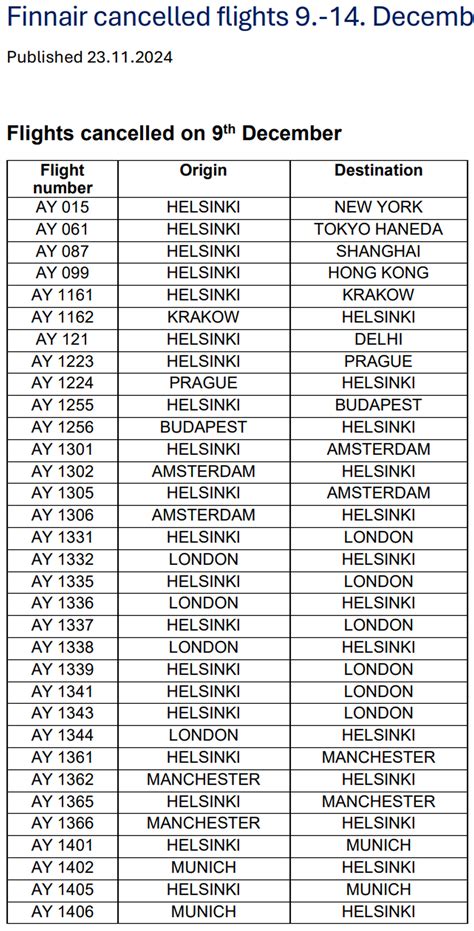
However, the ramifications of the work stoppage were not limited to Finnair. The Scandinavian Airlines System (SAS) and Norwegian Air Shuttle, both key players in the Scandinavian aviation market, experienced their own challenges due to shared ground handling services at Helsinki-Vantaa Airport. The strikes led to widespread flight cancellations and delays, particularly affecting connecting services routed through Helsinki. Consequently, many passengers found themselves stranded or compelled to rebook onto later flights, resulting in considerable frustration and disruptions to their travel itineraries.
Helsinki serves as a crucial hub for Norwegian Air Shuttle, a low-cost carrier that offers numerous flights throughout Europe. The strike necessitated timetable adjustments, suspension of certain flights, and the rebooking of passengers onto alternative airlines. This added layers of complexity and delays for commuters reliant on these services, highlighting the fragility of air travel logistics during industrial action.
The impact extended beyond the Scandinavian carriers to the Lufthansa Group, which encompasses Lufthansa, Swiss, and Austrian Airlines. These airlines, regularly operating flights to and from Helsinki, faced widespread disruptions as ground handling tasks were severely hindered. Passengers experiencing connecting flights were particularly affected, often missing connections and facing prolonged waiting times. Such complications created a ripple effect across both short-haul and long-haul flights within Europe, leading to rebooking challenges and significant confusion among travelers.
The Air France-KLM Group also saw systemic delays across its international routes. Ground service disruptions at Helsinki-Vantaa delayed critical operations, including aircraft maintenance and baggage handling. Consequently, many travelers with connecting flights experienced extended waiting times, and some even missed their connections altogether. These delays were particularly pronounced on both short-haul and long-haul routes, resulting in heightened frustration among passengers and additional rebooking requirements that compounded the confusion.
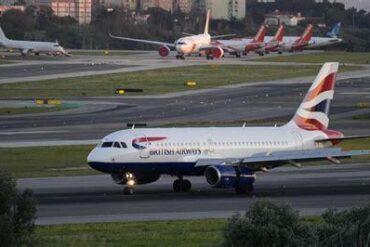
British Airways and Iberia, both members of the Oneworld Alliance, were similarly stretched by the ongoing disruptions. Long delays in baggage handling and boarding affected passengers traveling on connecting flights through Helsinki. For Iberia, Helsinki-Vantaa is a key connection point for flights between Spain and other European destinations. The strikes impeded essential passenger services, leading to numerous disruptions and delays that reverberated through the passengers’ itineraries.
Turkish Airlines, which operates vital routes between Helsinki and Istanbul, was also adversely affected by the industrial action. Flight cancellations and delays were reported, impacting travelers moving between Asia and Europe. Passengers on these routes experienced longer wait times and expressed dissatisfaction over additional delays caused by the lack of available ground services. The airline, known for its extensive long-haul operations, was compelled to adjust its timetables and ground some services due to staffing shortages.
The global ripple effect of the Helsinki-Vantaa Airport disruptions underscores the interconnectedness of the aviation industry. The shared ground handling facilities utilized by airlines such as SAS, Norwegian, Lufthansa Group, Air France-KLM, British Airways, Iberia, and Turkish Airlines became a focal point for the cascading effects of the strike. When ground services were compromised, the repercussions extended far beyond Finland, disrupting flight schedules and affecting passengers globally.
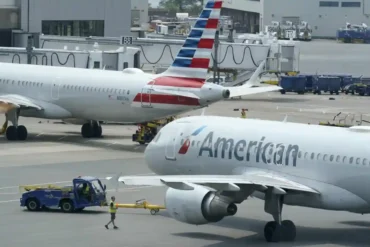
This incident serves as a poignant reminder of how vulnerable airlines can be to localized industrial actions, especially during peak travel seasons like summer. The disruptions not only caused immediate challenges in Finland but also led to delays and complications for travelers as far away as Asia and America. The interconnected web of global aviation means that any disruption at a major hub can have widespread consequences.
In conclusion, the strikes at Helsinki-Vantaa Airport in July 2025 highlighted the intricate dependencies within the global air transportation network. Although Finnair bore the brunt of the disruptions, the cascading effects impacted numerous international carriers, including SAS, Norwegian, Lufthansa Group, Air France-KLM, British Airways, Iberia, and Turkish Airlines. This incident emphasizes the critical importance of contingency planning for airlines in order to mitigate the effects of such strikes. As carriers continue to expand their networks, staying informed about potential disruptions becomes increasingly vital for passengers, particularly during periods of high travel volume. Understanding the likelihood of strikes and other disruptions can empower travelers to make better-informed decisions and adapt more effectively to unforeseen challenges in their journey.