The geopolitical shockwaves following the U.S. military strikes on Iran on June 21, 2025, have reverberated through the global aviation industry. With the closure of multiple key airspaces across the Middle East, major international airlines including British Airways, Singapore Airlines, Air France-KLM, and Finnair are facing escalating challenges. These disruptions have triggered a cascade of operational upheavals, mounting costs, and prolonged travel durations, all unfolding against a backdrop of regional instability.
Airspace Closures Redefine Global Flight Routes
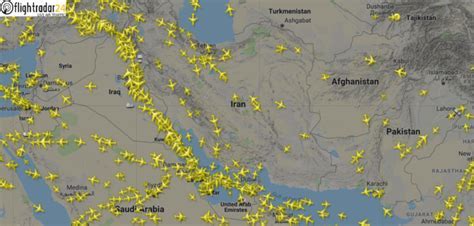
In the immediate aftermath of the strikes, Iran, Iraq, and Israel swiftly shut their airspace to civilian aviation, citing security concerns amid heightened military activity. This move was soon echoed by Qatar, which closed its skies on June 23, 2025, further tightening the already limited corridors for commercial aviation in the region. The European Union Aviation Safety Agency (EASA) promptly responded with a Conflict Zone Information Bulletin (CZIB), advising all commercial carriers to avoid these zones due to credible threats from missile and drone strikes.
The closure of this crucial region—strategically located at the nexus of Europe, Asia, and Africa—has had immediate and far-reaching implications. Key Middle Eastern hubs such as Doha, Dubai, and Riyadh have become inaccessible to a wide array of carriers, disrupting scheduled services and leaving travelers stranded or rerouted. Airlines are now compelled to navigate far more circuitous routes, often rerouting over the Caspian Sea, Egyptian airspace, or parts of Saudi Arabia, where permitted.
British Airways, Singapore Airlines, and Others Take Drastic Measures
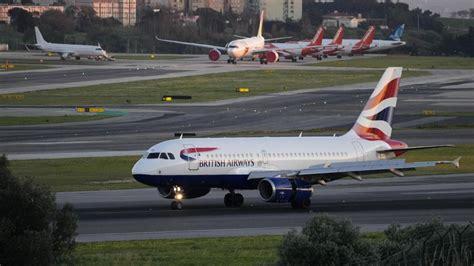
Among the earliest to act was British Airways, which suspended flights to both Doha and Dubai, acknowledging the untenable risk and operational complexity posed by the evolving situation. Singapore Airlines, with its extensive Asian-European network, followed suit, halting services to Gulf states and adjusting eastbound routes that previously transited Middle Eastern skies.
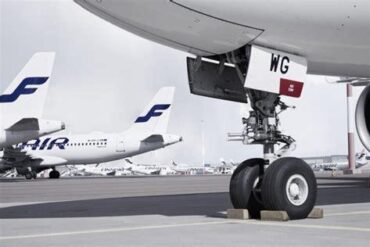
Air France-KLM, too, enacted emergency route changes and cancellations, while Finnair—already battling complications from Russia’s and Ukraine’s closed airspaces—announced a complete suspension of its Doha service for the rest of the month. The cumulative impact is profound: longer detours, congested alternative flight paths, and surging jet fuel consumption are driving a sharp increase in operating expenses.
Fuel Prices and Logistical Challenges Strain Airlines
Extended flight paths aren’t just a matter of distance—they translate into significant fuel burn, crew scheduling complications, and, in some cases, increased airport landing and navigation fees. The already volatile global fuel market has reacted sharply, with jet fuel prices climbing in tandem with regional instability. For legacy carriers like those based in Europe and Asia, which already operate on slim post-pandemic margins, this latest crisis is a severe economic blow.
These detours also intensify air traffic congestion in adjacent corridors. The airspaces over Turkey, Central Asia, and the Eastern Mediterranean, now bear the burden of rerouted traffic, causing delays and putting pressure on air traffic control systems that were never designed to handle such volume.
EASA’s Expanding Cautionary Zone
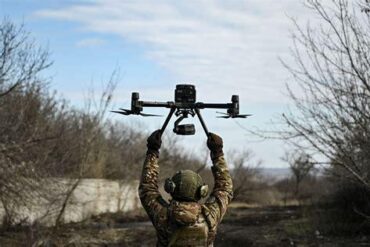
The European Union Aviation Safety Agency has broadened its risk advisory to include Jordan, Lebanon, and parts of Egypt and Saudi Arabia, citing the unpredictable nature of regional escalation. The use of long-range precision missiles and unmanned aerial vehicles by state and non-state actors alike has elevated the potential danger zone beyond traditional conflict theaters.
EASA’s directives are being heeded across the industry. Airlines that previously took minor detours now find themselves designing entirely new routing algorithms to account for safety, fuel economy, and permissible airspace. Flight planning departments are working around the clock, often issuing day-to-day or even hour-to-hour adjustments to their operations.
Passenger Impact: Longer Flights and Fewer Options
Travelers are beginning to feel the impact in tangible ways. Flights from Europe to Asia, including popular routes to Japan, South Korea, India, and Thailand, now face significant time additions. For instance, a London-Tokyo service that once transited over Russian and Middle Eastern skies may now fly as far south as northern Africa or Central Asia, adding hours to the journey.
This not only disrupts travel plans but also increases costs for passengers. Fewer available seats, increased operational costs, and more complex logistics mean airlines are passing some of these expenses onto customers. Fare hikes—particularly on intercontinental business and premium economy seats—are already surfacing across booking platforms.
Airlines Urge Patience as Government Warnings Mount
Governments are issuing heightened travel advisories, urging citizens to check their itineraries frequently and remain aware of the fluid security environment. Airlines are proactively reaching out to customers via apps, emails, and SMS with updates on delays, cancellations, or rebooking options. Some are offering fee-free rescheduling, while others allow full refunds or vouchers for disrupted routes.
Airlines are also in close coordination with international aviation bodies, including ICAO (International Civil Aviation Organization) and local aviation authorities, to ensure compliance and passenger safety. The cooperative effort across global airspace regulators is being tested like never before.
The Financial Fallout: A Brewing Crisis
Even as travel demand gradually rebounds from the COVID-19 downturn, the aviation industry is confronting a new, potentially longer-lasting disruption. Fuel prices—already sensitive to geopolitical tremors—are likely to remain volatile. For carriers that rely heavily on Middle Eastern transit corridors, the financial implications are dire.
British Airways’ parent company IAG, Singapore Airlines Group, Air France-KLM, and Finnair all posted improved earnings earlier in the year. However, analysts are warning that these gains could be eroded quickly unless tensions de-escalate. Budgetary forecasts for Q3 and Q4 of 2025 are already being revised downward as CFOs and risk analysts factor in longer routes, potential insurance premium hikes, and disrupted fleet rotations.
Gulf Carriers Stay the Course—For Now
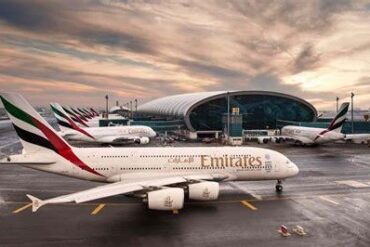
Interestingly, Gulf-based carriers like Emirates and Qatar Airways have not yet implemented widespread cancellations, instead opting to adjust select routes or modify takeoff and landing times. With headquarters in the region and more flexibility over sovereign airspace, these airlines appear more resilient—at least in the short term.
Still, aviation experts caution that should the conflict escalate, even Gulf carriers may be forced to suspend operations, especially if targeted infrastructure or retaliatory strikes hit civilian aviation assets. Any further closures—particularly over Saudi Arabia or the UAE—could lead to near-total disruption of east-west global aviation routes.
Long-Term Outlook: Strategic Recalibrations Needed
The crisis has reignited calls for the aviation industry to develop more resilient route frameworks that can swiftly adapt to sudden geopolitical shifts. Airlines may need to diversify hubs, reconsider partnerships, and invest in fuel-efficient aircraft that can handle longer flights without technical stops.
For now, contingency planning dominates strategic thinking. Airlines are working with satellite data providers, intelligence agencies, and airspace navigation experts to anticipate further disruptions. The scale and speed of adaptation required underscore just how interconnected global aviation has become—and how vulnerable it remains to regional conflict.
Conclusion: A New Reality for Global Air Travel
With the Middle East teetering on the brink of broader conflict, the skies over one of the world’s busiest transit regions are no longer reliably open. Airlines such as British Airways, Singapore Airlines, Air France, and Finnair are on the frontlines of this disruption, navigating a constantly shifting matrix of safety protocols, economic realities, and passenger expectations.
The immediate future of air travel is more uncertain than ever. As new routes emerge and old ones vanish under the shadow of conflict, passengers and carriers alike must brace for a costlier, longer, and more complex aviation era. Whether this becomes the new norm or a temporary crisis will depend on diplomatic resolution—but the industry is already changed.